Friday, April 10, 2026 · Warehousing & Fulfillment
Returns Management Helps UK Retailers Recover Inventory Value
Noted by Abigail · 501 reads
UK returns cost retailers an estimated £60bn a year. Faster inspection, clearer stock data and flexible capacity can help limit the operational burden.
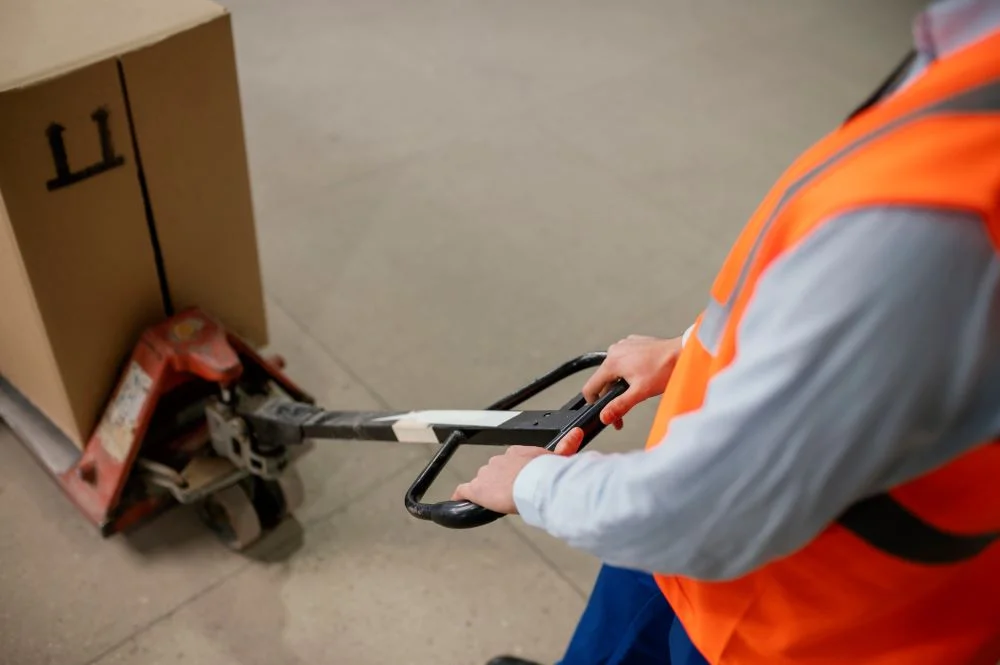
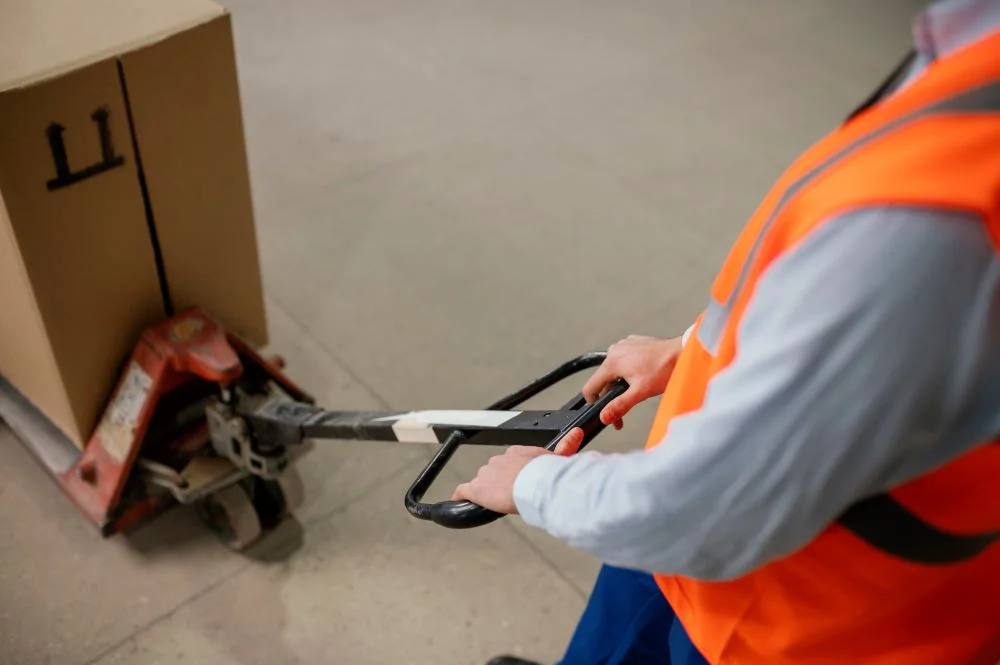
For UK online retailers, returns are a large operating flow with consequences well beyond refunds. Return rates are around 17.5%, and returns are estimated to cost retailers more than £60 billion a year. They also occupy warehouse space, complicate inventory records, affect sustainability efforts and shape customers’ experience after purchase.
The practical measure of a returns operation is how quickly it can identify an item’s condition and determine its next destination. Each day a resalable product waits for inspection or a stock update is a day it may remain unavailable to sell. Reverse logistics gives businesses a way to manage that flow as part of fulfilment, with processes for inspection, restocking, repair, recycling or disposal.
Returns management covers the full process
Reverse logistics describes the movement and handling of goods coming back through the supply chain. A third-party logistics provider may handle the work on a brand’s behalf, including receiving returned products, checking their condition and routing them to the seller or manufacturer, repair, reuse, recycling or disposal. The aim is to recover value where possible and manage goods that can’t return to sale.
Returns management is the broader set of systems and steps that coordinate a return, from a customer’s initial query through shipping, warehouse processing and a refund or exchange. It connects customer service with warehouse and distribution work. Brands can use reverse logistics services and warehouse and distribution operations to organize those tasks.
A clear process can help build customer trust by making the outcome and timing easier to understand. It can also give warehouse teams defined procedures for receiving, inspecting and recording items.
Ordering habits add pressure to warehouse operations
Retailers have spent years competing on convenience through faster delivery, flexible return terms and free returns. That has made it common for some shoppers, especially in fashion, to order several sizes or colours and send back the items that don’t suit them. This practice, often called bracketing, makes the volume and timing of returns harder to plan for.

Some brands are responding with return fees, shorter return periods or data-based restrictions for customers who return items repeatedly. The stated aim is to encourage more considered purchasing while limiting costs for retailers with tight margins. Those changes also raise the importance of a straightforward returns process: a policy that customers can understand still depends on a warehouse operation that can deliver the promised outcome.
Returns are often treated as a cost to absorb. But processing speed can affect how much value a retailer recovers. When a product is inspected, graded and returned to available inventory quickly, it has a better chance of being resold at full value. Slow handling can leave saleable stock sitting in a returns area while inventory records fail to reflect what is physically on hand.
Capacity, cost and customer service
In-house returns processing requires space, trained staff and time. High volumes can increase labour and storage needs, while manual handling adds steps before products can be assessed or put back into stock. Brands that lack effective warehouse organization can also lose track of items, miss sales opportunities or end up with stock that is no longer current.
Returns place pressure on customer service as well as warehouse teams. When the process is slow or unclear, staff may spend more time responding to refund questions and complaints. Faster processing and clear status information can help reduce uncertainty for customers and the support teams handling their queries.
Outsourcing can give a retailer access to dedicated returns staff and a partner’s existing facilities and systems. The trade-off for the brand is less direct control over day-to-day handling, so service expectations, inspection rules, refund timing and reporting need to be agreed and visible. Providers may also adjust staffing for seasonal peaks. Granby says it brings in additional staff from its in-house bank team during periods such as Christmas and Black Friday.
Returns processing can also support sustainability efforts when returned goods and packaging are assessed for reuse, and products are routed for resale, repair or recycling where appropriate. Granby says it assesses goods and packaging for reuse, uses carriers that optimize delivery routes to reduce emissions and provides reports digitally. Its description of those practices is available on its sustainability page.

Stock visibility depends on good data
Inventory accuracy is a persistent challenge in returns. A retailer needs enough space to hold incoming products and a reliable way to track each item’s location and condition. Without current stock data, returned goods can remain unavailable for days or weeks, even when they are suitable for resale.
Warehouse management systems can record a return as it arrives, guide inspection and update inventory after a decision on its next use. Granby says its in-house system provides real-time visibility across its 66,000-square-foot facility, so returned products can be located, assessed and restocked or redirected.
Return data can also help brands identify recurring product issues, improve sizing guidance and inform future product development. Granby’s SCOPe platform connects with partner systems through APIs, and the company says brands can use it to view return activity, stock status and operational performance from one interface. Its platform information describes that system.
Granby says it has added automation to its platform to reduce manual tracking, alongside lot control, best-before-date (BBE) tracking and carrier integrations. Those integrations show which carrier operators are available, according to the company. The source doesn’t give performance results for these additions, but the operational purpose is to keep return status and stock movements visible within the warehouse system.
How the reverse flow works
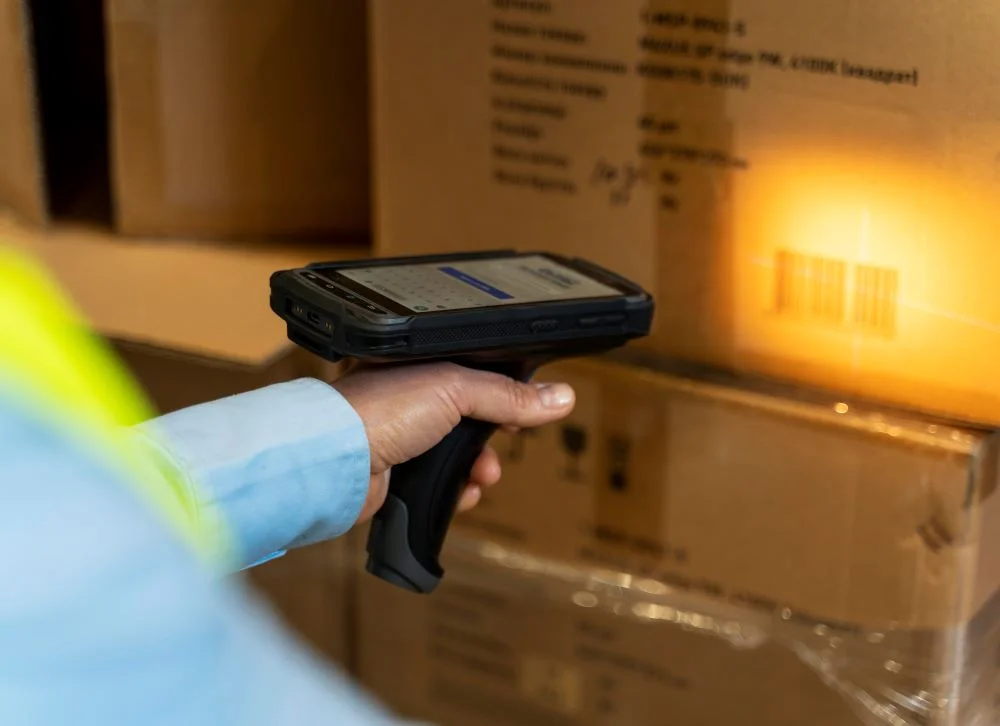
A typical process starts when a customer initiates a return. The product travels back to a fulfilment centre, where staff scan, inspect and grade it. The item is then restocked, repaired, refurbished, recycled or disposed of, depending on its condition and the business’s agreed process. The inventory record is updated, and a refund or exchange is triggered.
At Granby, the company says incoming returns are scanned and routed to a dedicated area. Trained staff inspect and grade each product before deciding whether it should be restocked, refurbished or disposed of responsibly. The provider also says its system tracks stock quantity and location through the process.
Process design involves more than the inspection itself. Businesses and providers can agree on packaging that can be resealed and reused, a prepaid postage label or carrier collection, quality checks, separate workflows for different product conditions and a timeframe for refunds. Clear decisions at each step make it easier to move an item to its next destination and keep the customer informed.
Outsourcing and the next operational focus
For brands, a provider can take on the returns lifecycle, including inspection, restocking, recycling and reporting. Dedicated teams and established warehouse processes may help handle everyday volumes, while additional staffing can provide capacity during seasonal peaks or after a product launch. Granby says it has more than 65 years of fulfilment and logistics experience, though its source provides no comparative processing figures.
Technology is likely to remain a focus as online retail grows. The source expects returns operations to become more automated over the next five years, and points to warehouse systems that speed inspection, grading and stock reintegration. For retailers, the operational priorities are already clear: keep returned goods visible, make condition decisions promptly and connect warehouse actions to customer updates and inventory records.
Granby operates as a third-party logistics provider and offers eCommerce fulfilment. Its returns operation illustrates the components brands may assess when choosing a provider: processing capacity, system visibility, staffing for peak periods and defined routes for returned stock. More information is available through the company’s contact page.
The source article, “Reverse Logistics and Returns Management Explained,” appeared on Granby Marketing.


