Tuesday, April 21, 2026 · Trucking & Freight
Five Ways Canadian Fleets Can Cut Fuel Costs in 2026
Noted by Dominic Riolo · 397 reads
Driver coaching, fuel spend controls, maintenance and route planning can curb fleet fuel waste; EV pilots help assess longer term options.
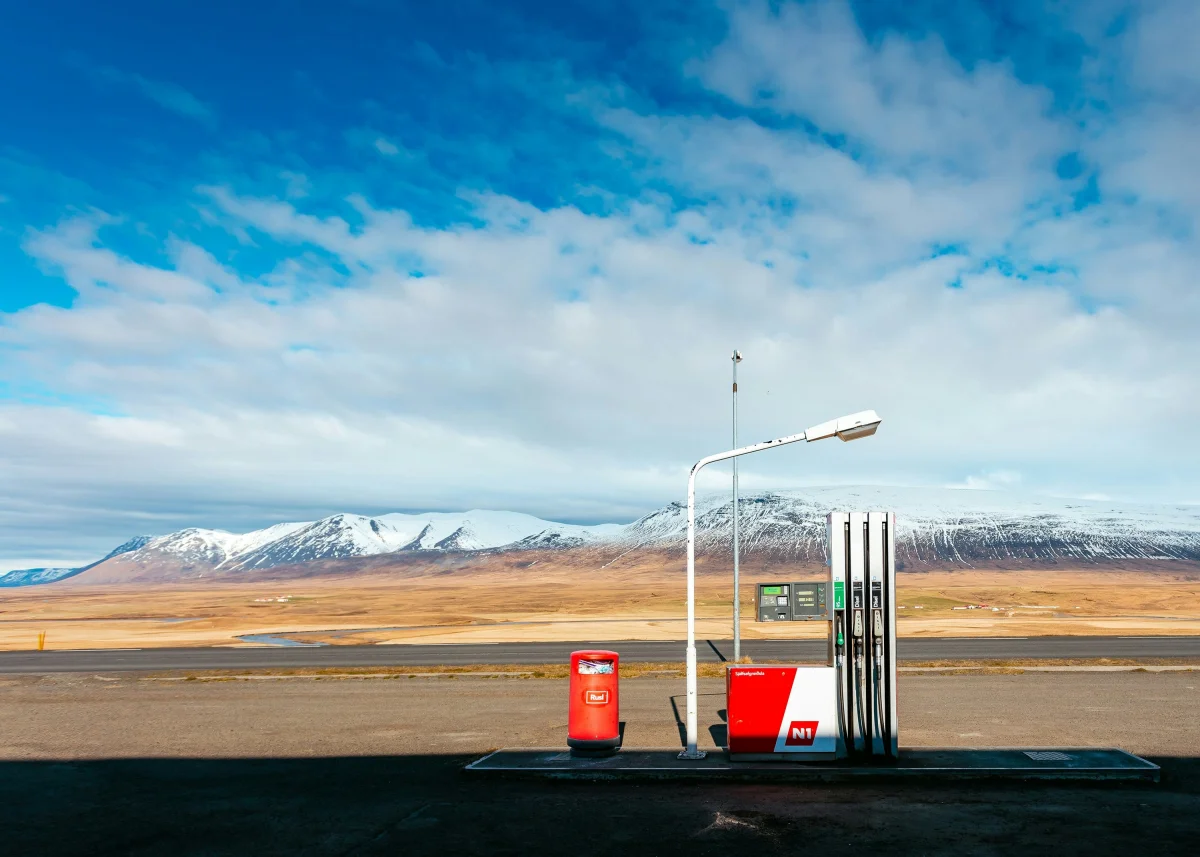
Fuel and maintenance are the parts of fleet operating costs managers can influence most directly. Foss National Leasing’s analysis puts fuel at 26% of total costs and maintenance at 10%, or roughly one-third combined. That makes everyday choices about driving, purchasing, upkeep and routing a practical place to look for savings.
The waste often comes in small increments: an engine left idling, tires running under pressure or repeated hard acceleration. Across vehicles and a full year, those habits add up. Foss says a consistent approach across five areas can reduce costs by 10% to 25%, though results depend on the fleet and how it operates.
Coach the behaviours that burn fuel
Hard acceleration, abrupt braking, speeding, aggressive cornering and unnecessary idling all raise fuel use. Natural Resources Canada says these driving behaviours can increase consumption by as much as 25%. The scale of the opportunity depends on how much avoidable fuel use is present to begin with, but changing habits doesn’t require replacing vehicles or building new infrastructure.
Useful coaching starts with evidence. Telematics can show how vehicles are driven and where patterns such as frequent harsh braking or excess idle time occur. Managers can use that information to make coaching specific to a driver’s behaviour instead of relying on general reminders. Short training modules focused on issues such as speeding, distracted driving or hard braking can reinforce those conversations. Driver abstract reporting can also help identify recurring concerns.
Improved driving habits may affect more than fuel consumption: the source says they can also lower accident rates and insurance premiums. That broader effect gives managers another reason to follow up on driving data.
Put purchasing rules and fuel data in one place
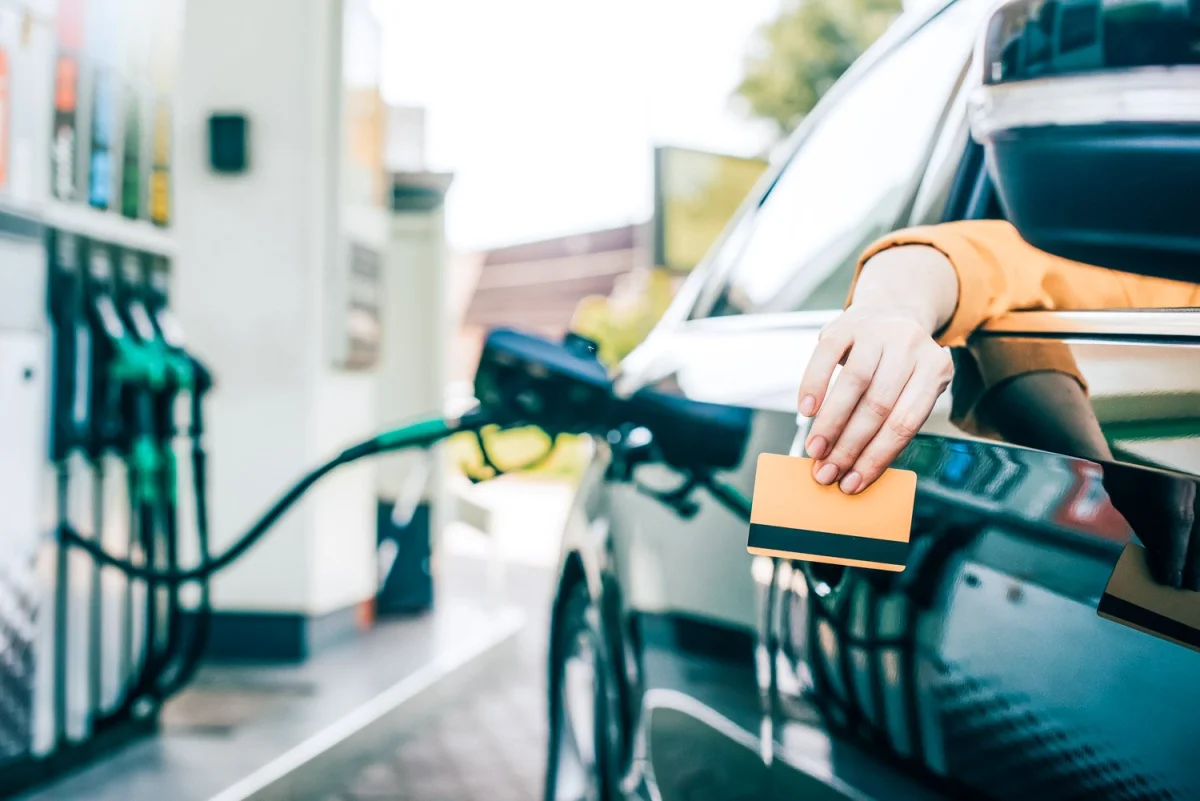
When drivers rely on personal credit cards or a single fuel brand, managers may lose price flexibility and a clear view of transactions. Foss says access to 98% of Canadian gas stations through a fleet card can reduce detours to approved locations. Its research estimates those diversions cost a 30-vehicle fleet $19,950 a year in lost productivity.
Card controls can set transaction limits by driver, vehicle or purchase type. Foss estimates that unauthorized purchases can reach 15% of total fleet fuel costs when left unchecked. Monitoring transactions can help managers catch suspicious spending early, while consolidated invoicing makes it easier to review costs across a fleet. The source says these controls can deliver a return within the first billing cycle.

Foss provides illustrative annual savings estimates based on an average Canadian fuel price of about $1.45 per litre and monthly use of 372 litres per vehicle: $11,508 for a 10-vehicle fleet, $23,016 for 20 vehicles and $57,540 for 50. The model combines prevention of fuel fraud, calculated at 15% of fuel spend, with maintenance screening savings of $60 per call. Actual results vary with fleet size, fuel type, province and driving patterns.
More detail on identifying suspicious transactions is available in Foss’s explanation of fleet fuel tracking.
Make maintenance part of the fuel plan
Tire pressure is an easy-to-miss source of inefficiency. Consumer Reports says fuel economy drops 0.3% for every 1 PSI of under-inflation across all four tires. Tires naturally lose one to two PSI per month, so pressure checks need a regular place on the maintenance schedule.
Seasonal tire changes matter too. In Canadian regions where winter tires are needed, switching back to all-season or summer tires when conditions allow can reduce rolling resistance on clear, dry roads. For vehicles with high annual mileage, fleets can assess low-rolling-resistance tires as another way to reduce fuel use without meaningful safety or performance trade-offs, according to the source.
Routine fluid checks, air-filter replacements and fuel-system servicing help keep engines operating efficiently. Deferred maintenance can gradually erode fuel economy as well as lead to repair bills. A preventive maintenance program can make these checks more consistent.
Maintenance screening can also help control repair costs. Foss describes a managed process in which a technician checks a repair request against the vehicle’s history before authorizing work. The company estimates this oversight saves around $60 per call.
Reduce idle time and unnecessary kilometres
Drivers can’t always avoid congestion, but navigation tools can help them respond to traffic, construction delays and incidents. GPS-enabled routing through a telematics system or consumer app can help drivers spend less time in traffic. Since idling burns fuel without adding distance, cutting idle time has a direct effect on fuel spend.
Fleet-wide telematics data can reveal where engines are left running: during excessive warm-up periods or while vehicles wait at job sites, for example. Managers can use those patterns to set expectations and coach drivers. Fleets with planned routes and defined service areas can also use route optimization to cut total daily distance. The fuel reduction follows the decrease in kilometres driven.

Test electric vehicles against real duty cycles
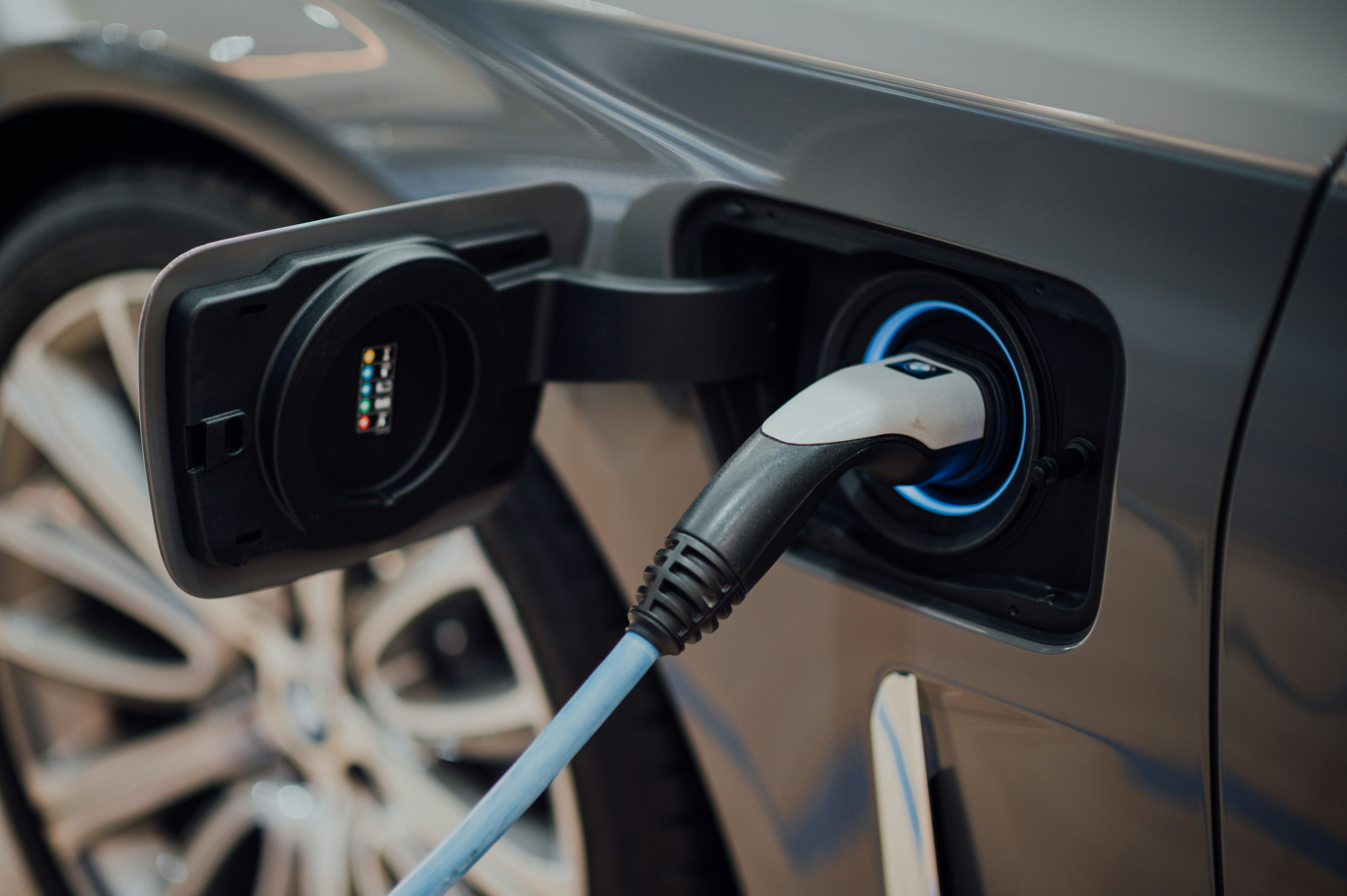
Some plug-in hybrids can travel close to 100 km before using their gasoline engine, which may cover a typical workday for some urban and suburban drivers. Some long-range battery-electric models exceed 800 km on a charge. Those capabilities make electrification an option to evaluate, but suitability depends on infrastructure, weather, payload and daily range.
Costs also depend on which incentive programs apply to a fleet’s situation. A small pilot with electric vehicles or plug-in hybrids can show how vehicles perform in actual roles before managers decide whether a wider transition fits their operations.
Measure results across all five areas
Driver coaching, spend controls, preventive maintenance, route planning and carefully chosen vehicle replacements address different sources of fuel cost. Foss’s central point is that savings build through steady attention to all five. Managers can track fuel use, idle time, distance, card transactions and maintenance findings to see which changes are working for their vehicles.
Fuel is one cost managers can influence directly, but it sits within a broader total-cost picture that also includes depreciation, leasing, maintenance and administration. For fuel, the practical first step is to establish what the fleet uses now, then measure how operational changes affect that baseline.


