Monday, June 1, 2026 · Ocean Shipping & Ports
AFLA’s WIFM Mentorship Program Sets July 1 Application Deadline
Noted by Dave Bean · 658 reads
WIFM is accepting applications from corporate fleet professionals through July 1, with mentor pairings planned for mid-August.
Applications close July 1
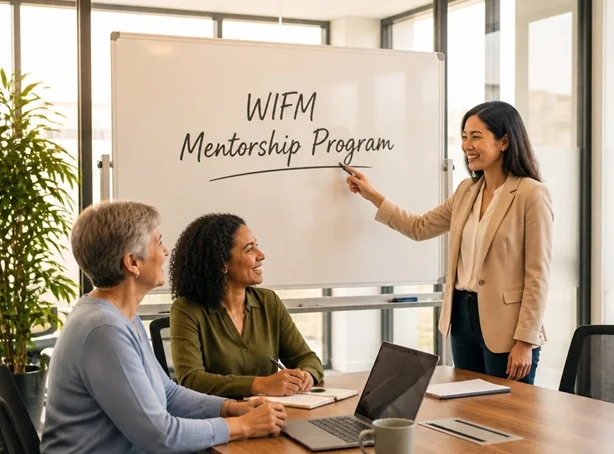
Corporate fleet professionals interested in developing their skills or sharing their experience have until July 1 to sign up for the Women in Fleet Management (WIFM) Mentorship Program through AFLA. The program matches mentors, mentees and peers around their identified areas of focus, with pairings planned for mid-August. That schedule gives applicants a clear deadline, but it also means they’ll need to think about their goals before signing up rather than treating the form as a general expression of interest.

Fleet work spans operational decisions, supplier relationships, vehicle policy and the demands placed on drivers and internal teams. Professional development in that environment often has to fit around day-to-day responsibilities, which can leave little room for unstructured learning. A mentoring relationship can create a regular place to discuss leadership, industry knowledge and career decisions with someone who brings relevant experience. The program asks participants to identify their focus areas, so the conversations can reflect what each person wants to learn or contribute.
Matching around participants’ goals
WIFM describes the program as a way to build relationships that support collaboration and learning across career stages. A mentee might use the relationship to work through a leadership challenge, get another perspective on a career opportunity or identify areas for further development. A mentor can share lessons from their own experience and strengthen their ability to guide colleagues. Peer connections offer another route for exchanging knowledge with people working in the same field, where practical questions may be familiar on both sides.
The structure matters because a useful match depends on more than placing two people in contact. Participants need enough common ground to make discussion relevant, while still bringing different experiences to the conversation. Clear focus areas can help with that work: an applicant who names a specific challenge or skill they want to develop gives the matching process more to work with than someone who simply wants to “network.” That doesn’t guarantee a particular pairing or outcome, but it can make the purpose of the relationship easier to establish.
Those outcomes depend on participants’ goals and the conversations they build together; the program description doesn’t promise a particular career result. Its stated emphasis is on learning, confidence, professional connections and leadership development. This is more significant than it looks: fleet careers can involve specialized responsibilities, and access to a trusted sounding board may help someone think through choices that aren’t easy to discuss in the normal flow of work. (And this is the part most people overlook.) The value won’t come from the match alone; it’ll depend on preparation, follow-through and a willingness to share useful experience.
Access for nonmembers
WIFM is opening the mentorship program to corporate fleet professionals who aren’t active AFLA members as well. Nonmembers can sign up as mentees for an annual fee of $100, with access running through June 30, 2027. The information provided describes nonmember access for mentees; it doesn’t specify a separate nonmember mentor option. That distinction matters for professionals who want to contribute their experience rather than join as learners, and they may need to check the program information for clarification.
This gives fleet professionals outside AFLA a defined way to take part, while active members can apply through the program sign-up. For nonmembers, the fee and stated access period offer concrete terms to weigh against their own goals and availability. The article doesn’t provide details about meeting frequency, session format, mentor selection or time commitments, so applicants may want to confirm those points through the sign-up process. If you’re working in this space, knowing what participation asks of you can help you decide whether the program fits alongside your current workload.
One practical question to consider before applying: what would make the relationship useful after the initial introduction? A participant might want advice on a specific career decision, a broader view of fleet leadership or a chance to compare approaches with peers. A mentor may have a different aim, such as improving how they coach colleagues or passing along lessons learned over time. The program’s description leaves those details to participants, which gives them room to shape the exchange but also puts responsibility on them to make it purposeful.
Sign-up details
The application deadline is July 1, and pairings are expected in mid-August. That interval gives organizers time to match participants according to their stated focus areas. Applicants can use the sign-up link below; colleagues can also be invited to learn about the program and participate. The dates provide a straightforward planning window, though the information here doesn’t explain what happens between application and matching or how participants will be told about their pairing.
For professionals who want to contribute as well as learn, the program offers a way to share practical experience with others in the fleet community. The value will come from clear goals and useful conversations: applicants can make the most of the matching process by identifying what they hope to gain and what knowledge they’re prepared to share. A broad interest in professional growth may be a starting point, but a concrete question or area of experience is more likely to give the first conversations direction.
What the program can offer
Mentorship programs typically work best when participants treat them as an ongoing exchange, with time set aside to prepare and a clear sense of what each conversation should accomplish. The available information doesn’t say how often WIFM participants will meet, so applicants shouldn’t assume a particular cadence. Still, thinking in advance about questions, relevant experience and preferred ways to communicate can make it easier to use whatever format the organizers provide.
That said, a professional connection isn’t a substitute for formal training or a guaranteed route to a promotion. Its strength is more modest and more practical: it can give participants another perspective, help them test their thinking and create ties across the fleet community. A fragment, but a useful one: Better questions, better conversations.
Share the connection
WIFM encourages participants to pass the opportunity along to colleagues. Non-AFLA members who want to join as mentees can use the participant information link for details on access and the annual cost. With the July 1 cutoff approaching and pairings planned for mid-August, interested fleet professionals should review the program information and submit their sign-up in time for this year’s matching process.
Colleagues may have different reasons for joining: one person might be looking for guidance, while another could be ready to share lessons from years in fleet operations. Bringing a wider range of participants into the program may give the matching process more options, though the source doesn’t describe how matches are selected. For anyone considering the opportunity, the immediate step is simple: decide what you want from the relationship, check the participation details and apply before the deadline.

Read the original WIFM Mentorship Program announcement at Fleet Management Weekly.


