Thursday, January 22, 2026 · Supply Chain Tech
Rivian Commercial Van Fleet Guide: Range, Cargo Capacity and Operating Costs
Noted by Michael Nielsen · 366 reads
Rivian’s two electric vans offer up to 652 cubic feet of cargo space and about 160 miles of rated range. Fleet fit depends on routes, charging and costs.
More than 20,000 Rivian Commercial Vans are operating in Amazon’s delivery network, which delivered over 1 billion packages in 2024. That scale gives fleet buyers a substantial operating history to weigh against the vehicle’s purchase price, roughly 160-mile rated range and charging needs. Rivian began offering the vans to customers beyond Amazon in April 2025, after its exclusivity agreement ended.

The lineup has two versions: the Delivery 500, starting at $79,900, and the longer Delivery 700, starting at $83,900. Both have a 100 kWh lithium iron phosphate battery, front-wheel drive and a 9,500-pound gross vehicle weight rating. The smaller van carries up to 2,663 pounds, while the larger one offers more cargo volume but a lower maximum payload of up to 2,258 pounds.
For shippers and fleet managers, the central question is operational fit. Predictable urban routes that return to a depot each night can align with the vans’ range and overnight charging. Long highway runs, heavy loads and limited access to charging can make the same specifications harder to work with. The financial calculation also changed: the federal commercial vehicle purchase credit ended for most vehicles acquired after September 30, 2025, and a charging property credit ended for equipment placed in service after June 30, 2026.
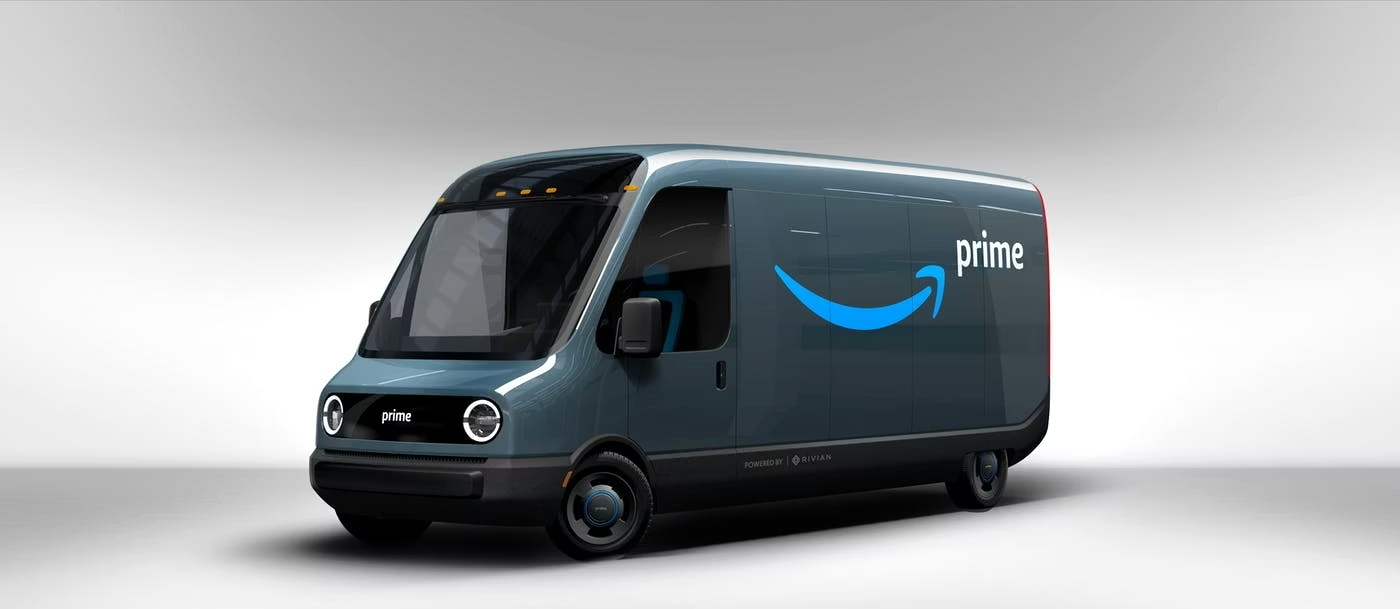
More than 20,000 vans are operating in Amazon’s delivery fleet, offering fleet buyers real-world use history at scale.
Two body lengths, one powertrain
The Delivery 500 is 248.5 inches long, with a 157.5-inch wheelbase and 6.7 inches of ground clearance. Its 487 cubic feet of cargo volume and stand-up interior height suit parcel work, trades and lighter commercial hauling. The source compares that volume with the high-roof Ford E-Transit configuration.
The Delivery 700 stretches to 278 inches and increases cargo volume to 652 cubic feet, about 34% more than the Delivery 500. It retains the same interior height and stand-up access, giving operators more floor space for freight or equipment. The price difference is $4,000 at the listed starting prices.
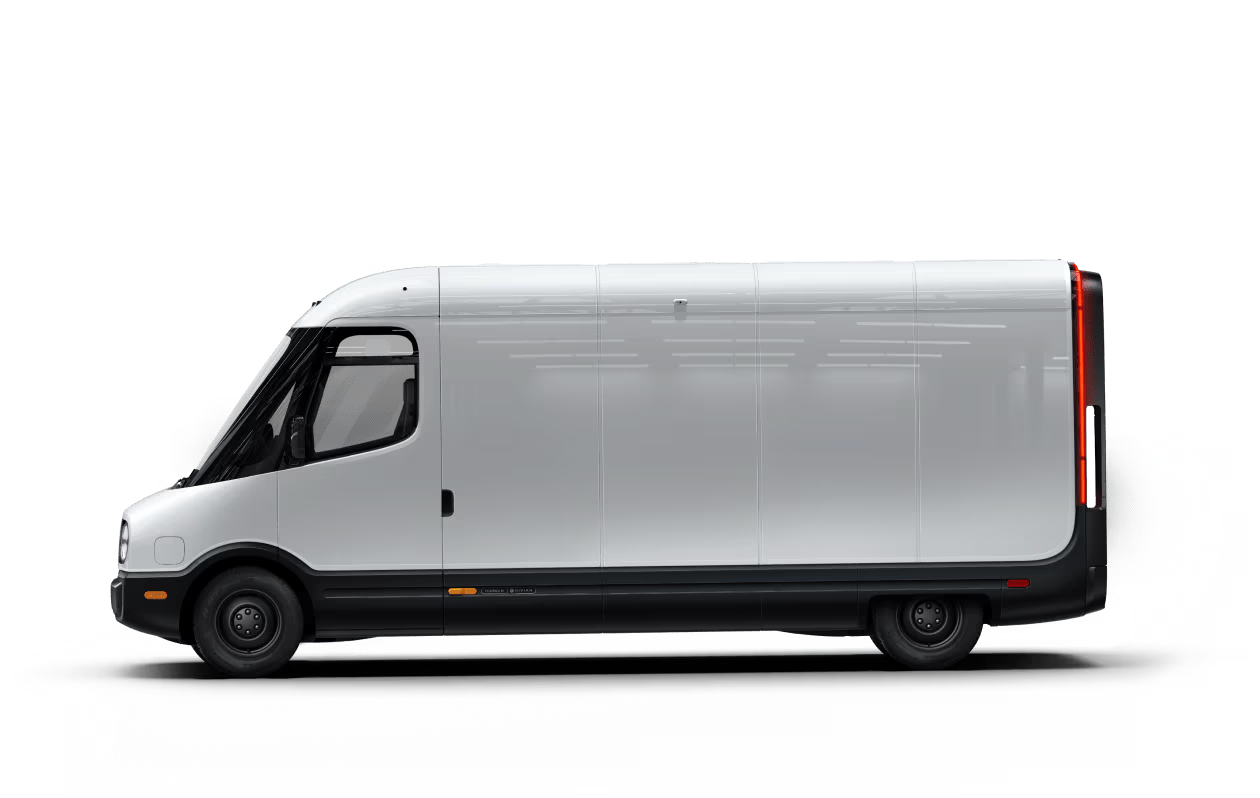
The Delivery 700 adds cargo room for deliveries and trade equipment while keeping a stand-up interior.
Both vans have a 9,500-pound gross vehicle weight rating and sit in the Class 3 category. The listed payload range across configurations is 2,258 to 2,663 pounds, with exact capacity affected by equipment and configuration. Buyers should compare that payload against actual loaded weights, especially when cargo is dense: the larger body does not mean a higher payload limit.
| Specification | Delivery 500 | Delivery 700 |
|---|---|---|
| Starting price | $79,900 | $83,900 |
| Overall length | 248.5 inches | 278 inches |
| Cargo volume | 487 cu ft | 652 cu ft |
| Rated range | 161 miles | 160 miles |
| Battery | 100 kWh LFP | 100 kWh LFP |
| Payload | Up to 2,663 lbs | Up to 2,258 lbs |
| GVWR | 9,500 lbs | 9,500 lbs |
| Horsepower | 320 hp | 320 hp |
| Torque | 299 lb-ft | 299 lb-ft |
| Drivetrain | Single-motor FWD | Single-motor FWD |
Battery, range and route planning
A single front-wheel-drive motor produces 320 horsepower and 299 lb-ft of torque in either configuration. Rivian’s choice of one motor prioritizes commercial efficiency and cargo use over the higher performance focus of its consumer R1T and R1S vehicles.
The 100 kWh battery uses lithium iron phosphate (LFP) cells. Rivian moved its commercial vehicles to this chemistry in early 2023, replacing the nickel-cobalt-aluminum cells used in consumer models. LFP batteries are described as offering better thermal stability, longer cycle life and more tolerance for full charging cycles, with reduced fire risk. Their energy density is lower, a tradeoff Rivian addressed through battery sizing.
Rivian lists range at 161 miles for the Delivery 500 and 160 miles for the Delivery 700. Those figures are presented as estimated range; the source notes commercial vans in this weight class do not receive official EPA range estimates. Real-world results depend on payload, temperature, climate control and driving pattern, so a fleet’s own routes and loads matter more than a headline figure.
Urban delivery routes averaging 80 to 120 miles per day are described as a good match. Frequent stopping can help electric vans recover energy through regenerative braking. Sustained highway driving uses more energy, and the source advises planning for a 10% to 15% range reduction compared with urban operation. Routes that regularly exceed 140 miles leave less room for weather, detours or changes in load.
Charging at the depot and on the road
The van supports AC charging at up to 11 kW through a J1772 connector. A near-empty battery takes approximately nine to 10 hours to charge fully at that rate, making overnight charging practical for fleets that return vehicles to a central depot. Level 2 chargers are listed at $500 to $2,500 per unit before installation.
Site costs depend on the facility’s existing electrical capacity, the number of chargers and the work needed to connect them. Installation can add $2,000 to $10,000 per charger, while electrical service upgrades may cost another $10,000 to $50,000 or more. The source estimates electrical work and permitting can take two to six months, depending on project scope. Those lead times make a facility review an early part of vehicle planning, rather than a task to leave until delivery is near.
For overnight depot operations, the article recommends planning for one Level 2 charger per vehicle. Fleets should also contact their utility early to discuss capacity and any fleet charging rates. The Alternative Fuels Data Center’s fleet charging guidance covers planning considerations, including electrical service upgrades.
For daytime top-ups, the van can use DC fast charging at up to 100 kW via the Combined Charging System (CCS). Fast charging can restore range during a shift, but typically costs more per kilowatt-hour than depot charging and puts more stress on the battery than slower AC charging. Fleets that depend on public chargers should check availability along their actual routes and operating regions. The NEVI Formula Program information describes corridor charging development; coverage remains uneven in some areas, and current availability should be confirmed locally.
Operating costs and purchase incentives
At $79,900 to $83,900 before incentives or fleet discounts, the Rivian costs more upfront than conventional diesel cargo vans, which the source places at roughly $35,000 to $50,000 for comparable configurations. That gap makes total cost of ownership central to a purchase decision.
Electricity prices vary by location. Using the source’s national average of approximately $0.13 to $0.15 per kWh, the Rivian’s estimated energy cost is about $0.04 to $0.05 per mile. Diesel vans returning 12 to 15 miles per gallon, at diesel prices of $3.50 to $4.00 per gallon, are estimated at $0.23 to $0.33 per mile for fuel.
At 25,000 miles a year, the source estimates a potential annual fuel cost difference of $4,500 to $7,000. The actual result depends on local electricity and diesel prices, charging practices and vehicle use. Off-peak electricity rates or on-site solar may improve the electric van’s energy cost, while public fast charging can raise it.
Maintenance is another part of the comparison. The electric drivetrain removes oil changes, transmission service, fuel filter replacement and exhaust system work. Research referenced from the National Laboratory of the Rockies’ T3CO tool indicates electric commercial vehicles can have 30% to 50% lower maintenance costs than diesel equivalents over their operating life. That result is not a guarantee for any particular fleet. Tires still require regular replacement, and the vehicle’s weight makes brake condition and service important even when regenerative braking reduces brake wear.
The federal Qualified Commercial Clean Vehicle Credit under Internal Revenue Code Section 45W offered up to $7,500 for vehicles under 14,000 pounds GVWR and up to $40,000 for heavier vehicles. The IRS credit information says the credit is unavailable for vehicles acquired after September 30, 2025. A limited exception applies when a fleet entered a binding written purchase contract and made a payment by that date, even if the vehicle entered service later. For other new orders, the purchase calculation should not assume this credit.
State and utility programs vary by location and may have separate eligibility rules and funding. California’s Hybrid and Zero-Emission Truck and Bus Voucher Incentive Project (HVIP) is one example cited in the source. Buyers should verify program status directly before including any incentive in their budget.
The federal Alternative Fuel Vehicle Refueling Property Credit under Section 30C, which had covered up to 30% of qualifying charging equipment and installation costs, ended for property placed in service after June 30, 2026. Fleet budgets for new charging projects should account for full installed costs unless a current state or utility rebate applies. A broader diesel versus electric truck TCO analysis and a fleet electrification ROI guide cover related cost considerations.
Driver experience and fleet software
Rivian says the van’s safety features include automatic emergency braking, collision warnings and 360-degree camera visibility. The company developed the vehicle with delivery driver input on entry and exit, sightlines and cab ergonomics. Microclimate seats are designed to maintain comfort while limiting the effect of cabin climate control on range.
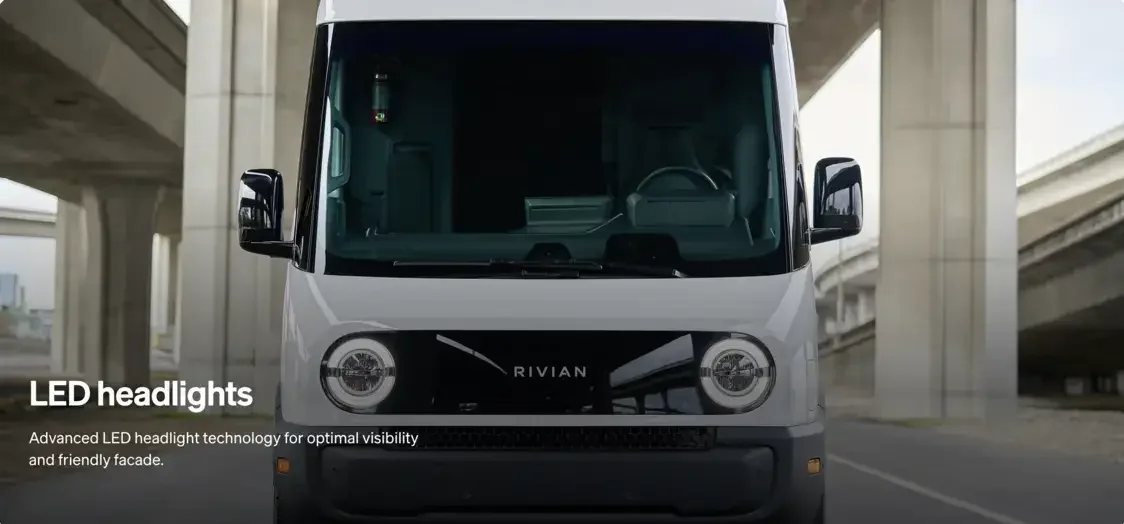
The cab has two large screens for vehicle information and navigation. An elevated seating position and wraparound windshield support forward visibility in urban delivery settings, where drivers encounter pedestrians and cyclists. Fleet buyers can assess the driver interface and cargo layout through demo drives arranged with Rivian’s Fleet Sales team.
Rivian’s software manages vehicle functions including unlocking and charging. Fleet tools listed in the source include real-time vehicle location, state-of-charge monitoring, charging session management and route optimization. Rivian says its systems can integrate with common fleet platforms, but operators should check compatibility with their current software before ordering. Confirming whether telematics data fits existing dispatch, maintenance and reporting processes is part of the evaluation.
How it compares with other electric vans
The Ford E-Transit is the closest named competitor in the source. Its base price is approximately $53,000, below either Rivian configuration. Ford lists up to 159 miles of range with its standard battery, cargo capacity from 277 to 536 cubic feet depending on configuration and payload up to 3,997 pounds. It offers several roof heights and wheelbases, as well as access to Ford’s broad dealer service network.
The Rivian’s listed advantages include up to 652 cubic feet of cargo space, an LFP battery and more than 20,000 vans operating in Amazon’s fleet. Its DC charging rate is listed at up to 100 kW, compared with up to 180 kW for the E-Transit. The comparison is not a simple range contest: body configuration, payload, charging access and service coverage can matter more than a small difference in rated miles.
Mercedes-Benz eSprinter competes at a higher price point, with cargo and range specifications described as competitive. Its commercial vehicle service network may be useful to fleets operating across a wide area. Chevrolet BrightDrop is another purpose-built electric option, with integrated fleet software aimed at large enterprise customers. The source says BrightDrop availability and pricing vary with fleet size and commitment.
| Feature | Rivian Commercial Van | Ford E-Transit |
|---|---|---|
| Starting price | $79,900 | About $53,000 |
| Estimated range | 160–161 miles | 143–159 miles |
| Maximum cargo volume | 652 cu ft | 536 cu ft |
| Battery | 100 kWh LFP | 89 kWh lithium-ion |
| DC fast charging | Up to 100 kW | Up to 180 kW |
| Fleet history noted in source | 20,000+ in Amazon’s fleet | Widespread adoption |
Service coverage and operating fit
Rivian’s service model combines company-run service centers, mobile service and third-party providers. Work may take place at a service center or through mobile service when available. The third-party network covers collision repair, roadside assistance, tire work and glass replacement. Rivian also offers training for fleets that want to develop in-house electric vehicle service capability.
The company’s 24-hour roadside assistance includes towing and roadside support. Even so, service access depends on where vehicles operate. Fleet managers should assess service center distance, mobile service availability and repair coverage across their routes before committing to a deployment. Downtime affects delivery capacity, so service arrangements belong in the operating plan alongside charging and vehicle specifications.
The strongest use case is a predictable, high-stop-density route that returns to a depot each night. Parcel and grocery delivery, along with similar urban work, can suit the rated range and make use of regenerative braking. Plumbers, electricians and HVAC technicians may also find the stand-up cargo area useful for tools and job-site equipment, provided daily mileage and payload remain within limits.
Long daily routes, sustained highway operation and loads near the vehicle’s weight limit require closer analysis. Fleet teams should model range using typical payloads and local weather, then compare that with the longest daily route and available charging options. Operations in areas with sparse charging or extreme temperatures may have less operating flexibility.
Ordering and evaluation
Rivian sells the Commercial Van through its Fleet Sales team rather than traditional dealer channels. Prospective buyers start through Rivian’s fleet portal, after which a Fleet Sales Manager discusses requirements, timing and configuration. Rivian says it can handle orders from one vehicle to large fleet deployments, with delivery timing dependent on production capacity and order volume.
Before placing an order, fleet teams can use a demo drive to assess vehicle handling, the driver interface and cargo-area layout. The practical review should include route mileage, stop patterns, payload, depot electrical capacity, charger installation costs and local service access. Current pricing, delivery timing and any location-specific incentives should be confirmed with the relevant providers.
The vans’ Amazon operating history provides useful evidence of deployment at scale, while the purchase price and charging requirements call for a route-specific business case. For fleets whose daily work fits the range and depot schedule, fuel and maintenance savings may support the economics. A careful route and facility review will show whether those savings are enough for the operation.


