Tuesday, September 15, 2026 · Ocean Shipping & Ports
Ian Wright to Cycle 450km Across Tanzania for Transaid
Noted by Peter MacLeod · 370 reads
Ian Wright’s five-day ride from Kilimanjaro to the Indian Ocean will raise funds for Transaid’s transport and healthcare access work.
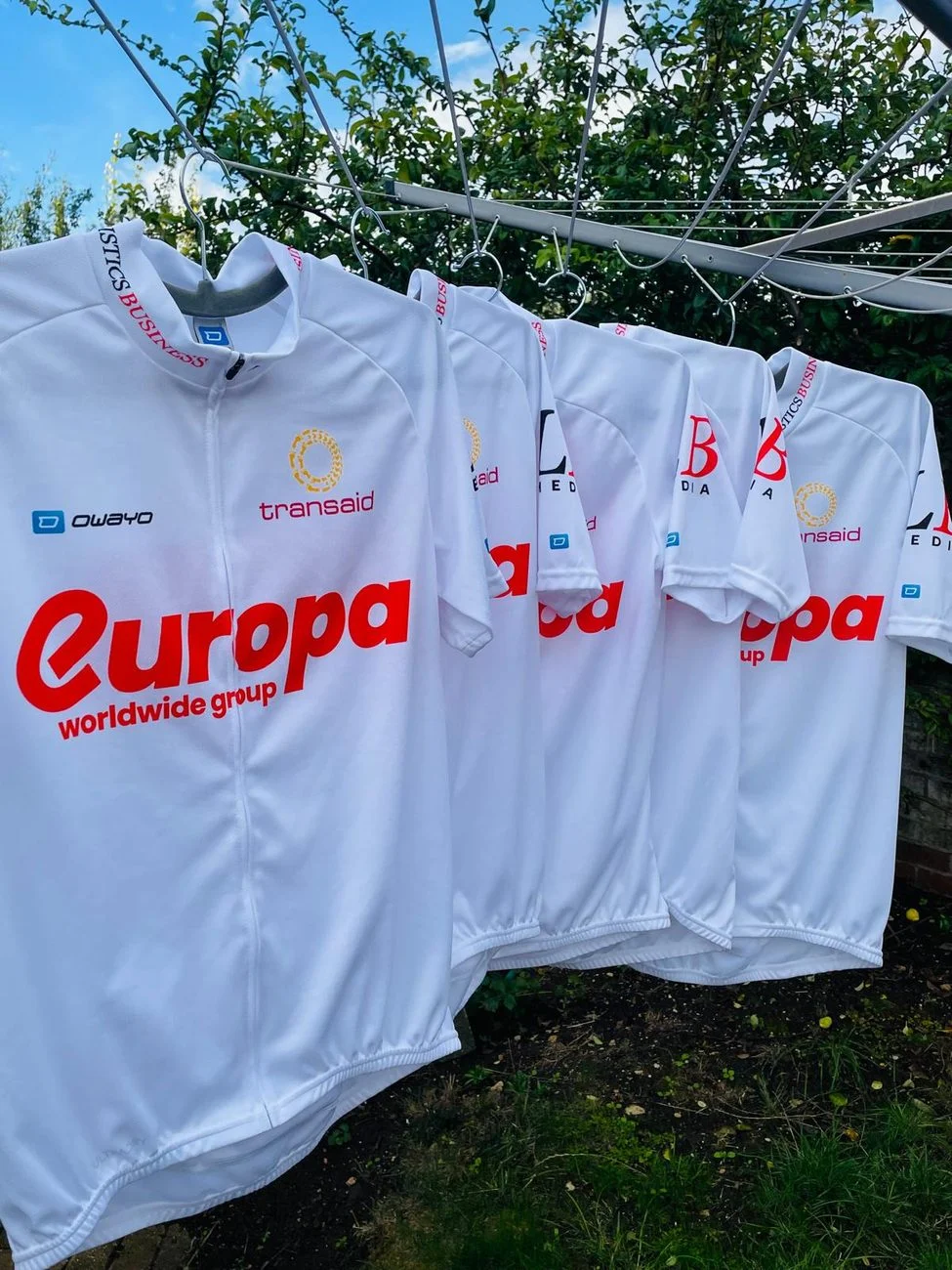
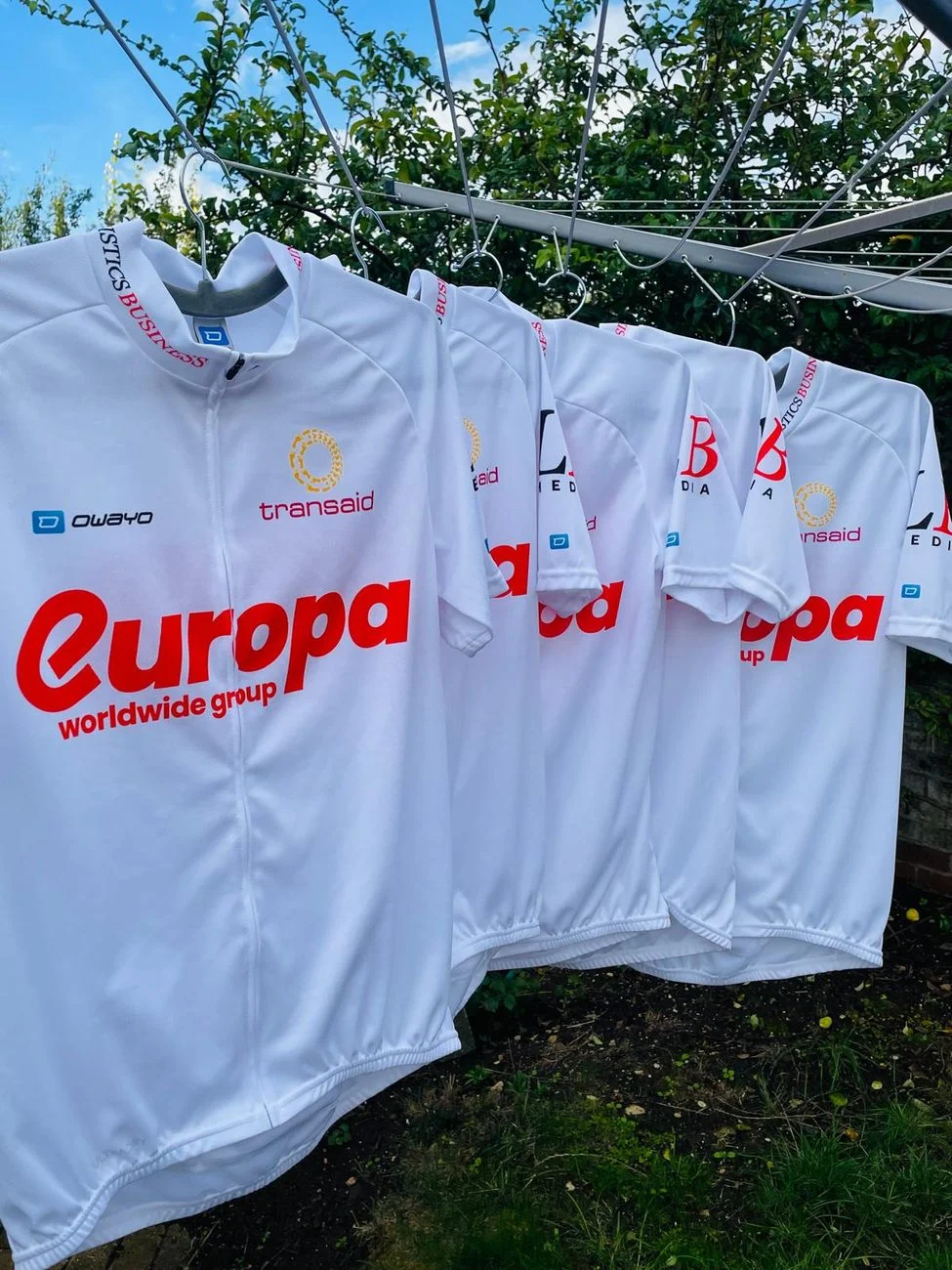
Ian Wright is preparing for a five-day ride of more than 450km across Tanzania to raise funds for Transaid. The route climbs more than 2,700m, running from the foothills of Mount Kilimanjaro to the Indian Ocean. It’s a demanding endurance challenge, but its purpose reaches beyond the riders’ fitness: the event puts transport’s role in access to healthcare and other essential services at the centre of the journey.
Wright is taking part with Team Transaid in the charity’s Kilimanjaro to Coast Cycle Challenge. He sets off this week alongside fellow riders, covering long distances through heat and varied terrain. That combination makes daily progress dependent on more than stamina; riders also need to manage their pace, equipment and supplies across several days. Final training, equipment checks and keeping his pack within the weight limit are all part of Wright’s preparation.
There’s a practical logistics problem tucked inside the sporting one. Carry too much, and every climb becomes harder; carry too little, and riders have less flexibility if conditions make the route more demanding than expected. The same basic trade-off appears in many transport operations, where loads, capacity and conditions shape what can be delivered and when. A cycle challenge isn’t a supply chain, of course, but the need to plan around distance, terrain and limited carrying capacity makes the comparison useful.
Transport and access to essential services
Transaid works across sub-Saharan Africa on safe, available and sustainable transport. Its programmes include road safety improvements, stronger transport systems and better access to vital healthcare. The charity’s work connects transport conditions with people’s ability to reach healthcare, education, employment and other essential services. That focus makes transport a matter of access: a service may exist, but people still need a practical way to reach it.
The barriers can vary from place to place. Distance is one part of the problem; road conditions, terrain and whether reliable transport is available can also affect a journey. Those factors can shape how predictable a trip is and how much time or effort it takes. In healthcare, for example, access depends not only on the location of a service but also on whether people can get there when they need it.
That connection gives the Tanzania route particular meaning for Wright’s colleague Peter MacLeod, a Transaid Ambassador. MacLeod travelled through Tanzania around 10 years ago and says seeing the country’s communities, roads, distances and demanding terrain gave him a clearer sense of the practical barriers people can face when relying on transport. His account offers a personal perspective on the conditions behind Transaid’s work, rather than a measure of how common any one barrier is.
“Seeing the country first-hand – its communities, roads, distances and often incredibly demanding terrain – gave me a much greater appreciation of the practical challenges faced by people who rely on transport to access healthcare, education, employment and essential services.”
MacLeod said the distance Wright and the other riders cover reflects the kinds of environments where Transaid works.
For logistics professionals, the challenge offers a direct reminder that transport access depends on more than distance alone. Road conditions and terrain influence what a journey demands, while the availability of reliable transport affects whether people can make it at all. MacLeod’s experience in Tanzania informs his support for the ride, and Transaid’s programmes address transport and access challenges across the region.
Fundraising and event support
Wright is close to, but hasn’t yet reached, his fundraising target. Supporters can contribute to his Kilimanjaro to Coast Cycle Challenge through his fundraising page. Donations will support the charity’s work, while helping Wright complete the final push before the ride begins. The fundraising target gives supporters a concrete way to back the effort, though the source doesn’t state how much remains to be raised.
Europa Warehouse is the main sponsor. GenieGrips, PALLITE Group Ltd and Prologis UK have also donated. The event’s headline sponsor is BIFA, with Chelsea Group providing support as a supporting sponsor. The challenge brings together individual fundraising and backing from companies connected to logistics and supply chains, tying the event to an industry whose daily work depends on transport networks and access.
Sponsorship helps give the challenge a wider base of support, while Wright’s fundraising connects the event to individual contributions. Those are different routes into the same effort: one comes through company backing, the other through supporters choosing to donate. Neither changes the physical demands of the ride, but both help connect the kilometres on the route to Transaid’s work.
What the ride puts in view
This is more significant than it looks. A long-distance ride can make transport barriers visible in a way that a general description can’t: riders experience the effort of covering distance and climbing through varied terrain. That experience offers a useful prompt for thinking about access, even though it can’t stand in for the everyday journeys faced by the communities Transaid works with. The distinction matters. A sponsored ride raises attention and funds; sustained improvements in transport access depend on the work the charity carries out beyond the event.
If you’re working in logistics, the connection is familiar: a route on a map doesn’t tell the whole story of whether a journey is possible or dependable. Conditions along the route matter, as do the transport options available to the people who need to travel. (And this is the part most people overlook.) The last stretch between a service and the person trying to reach it can determine whether that service is accessible in practice.
Wright’s final preparations include training, checking supplies and keeping his pack light enough for the ride. Across five days, the riders will cover more than 450km and climb over 2,700m before reaching the Indian Ocean. Their immediate test is physical. The wider point is that transport systems are judged by whether they help people reach essential services, not simply by the distance they cover.
Wright has also discussed the upcoming ride with Transaid CEO Caroline Barber in a special episode of Logistics Business Conversations. With the start approaching and his fundraising target still just out of reach, the remaining support can help carry the effort from preparation into the ride itself. Then comes the hard part: five days on the road.