Friday, June 12, 2026 · Trucking & Freight
Oversized Loads: Dimensions, Permits and Route Planning for Truck Shipments
Noted by awi-admin · 476 reads
Oversized freight can trigger permits, special markings, escort vehicles and travel limits. Requirements vary by state, so route planning matters.
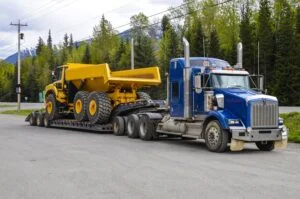
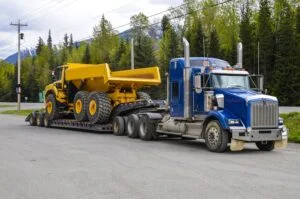
For oversized freight, the shipment’s dimensions shape the trip before a truck leaves the yard. A load that exceeds a road limit in height, width, length or weight may need permits, visible warning equipment, an escort vehicle or travel at restricted times. Requirements differ by state, so a route that works for one portion of a journey may require different preparation farther along.
This applies to bulky or unusually shaped cargo, including construction vehicles and equipment. Trucking can move these items across land, but the load must be planned around the limits and operating rules that apply to the route. Shippers and carriers need to establish the shipment’s measurements and destination early enough to identify requirements for each state the truck will cross.
Dimensions determine whether a load is oversized
The source gives general road maximums of 8.5 feet in width, 53 feet in length and 13.5 to 14.5 feet in height. A load exceeding any one of those dimensions falls into the oversized category. Weight can also be relevant to the broader freight category, although the source does not provide a general weight threshold.
That means a shipment does not have to exceed every limit to require special handling. A load that is within the width and length limits may still qualify because of its height. Irregular shapes can also make measurement and planning less straightforward than for a standard package. Carriers and shippers should work from the load’s actual dimensions rather than assuming that a familiar vehicle or piece of equipment will fit within standard road limits.
These figures are general reference points, not a universal route clearance. The applicable maximums and permit requirements depend on the states along the trip. A shipment’s origin and destination alone do not tell the full story: the road journey between them may cross jurisdictions with different requirements.
Permits and driver qualifications
A state may require a permit before an oversized truck enters or travels through its roads. Permits can be time-limited, so the carrier must account for their validity when arranging the trip. Maryland is given as one example: its oversize-load transportation permit lasts five days. That period makes timing part of the operating plan, alongside the route and the cargo itself.
Because requirements vary, the permit details for one state should not be treated as a guide to every state on the route. Carriers need to identify which permits apply and when they must be in force. Delays or a changed schedule can matter when a permit is valid for only a short period.
The truck driver must also hold a valid commercial driver’s license (CDL). Driver qualification is a separate part of preparation from the load’s dimensions and permits. A compliant shipment plan depends on both the equipment and cargo requirements and a qualified driver to operate the truck.
Markings, escorts and operating windows
Many states require warning banners, flags or lights on oversized loads. The recognizable yellow-and-black banners described in the source display “OVERSIZED LOAD” at the front and rear of the truck. The signage must be removed when the truck is not operating. These markings help other road users identify the load and respond with care.
Some shipments also require an escort vehicle with designated signage. An escort adds a visible warning presence around the truck and alerts other drivers to use caution. Whether one is needed depends on the circumstances and the applicable requirements; it should be checked as part of route planning rather than assumed for every oversized shipment.
Travel times can be restricted, too. States commonly limit oversized-load travel on weekends or certain holidays. In Maryland, the source says travel may take place during the day and at night, except on weekends beginning Saturday at noon and on major holidays. That schedule can affect dispatch timing and the amount of time available to complete a trip.
Build the trip around the load
The practical sequence is straightforward: confirm dimensions, determine which state requirements apply, arrange any permits and escort support, and check when travel is allowed. Each item affects the others. A short permit validity period can constrain scheduling, while a travel restriction can change when a load can depart or continue. The route and operating window need to work together.
Oversized freight moves through ordinary trucking networks, but its dimensions create extra planning needs. For shippers, sharing accurate measurements and a clear destination gives carriers a stronger basis for that work. For carriers, checking requirements across the full route helps connect the load, driver, equipment and schedule into one workable trip.


