Sunday, February 26, 2023 · Ocean Shipping & Ports
Same Day Delivery: Options, Operating Models and Business Benefits
Noted by Mckailyn Woodward · 545 reads
Same day delivery can improve customer convenience and reduce stock needs, but results depend on the service model, routing, fleet and fulfillment process.
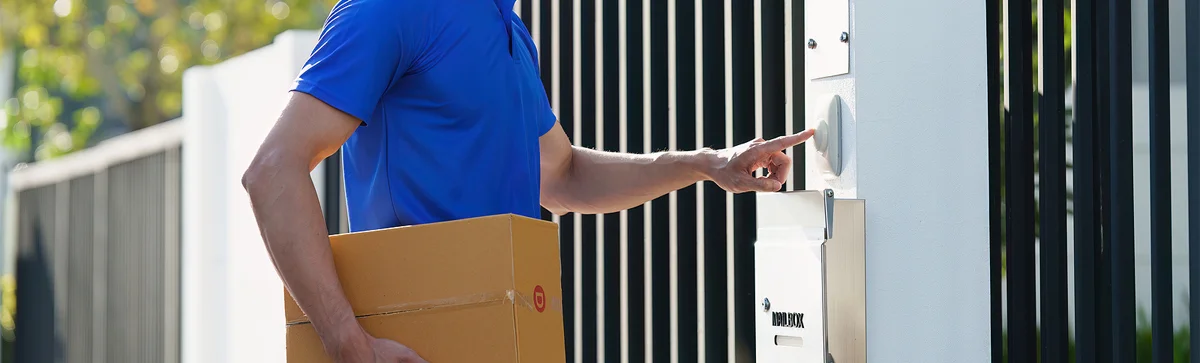
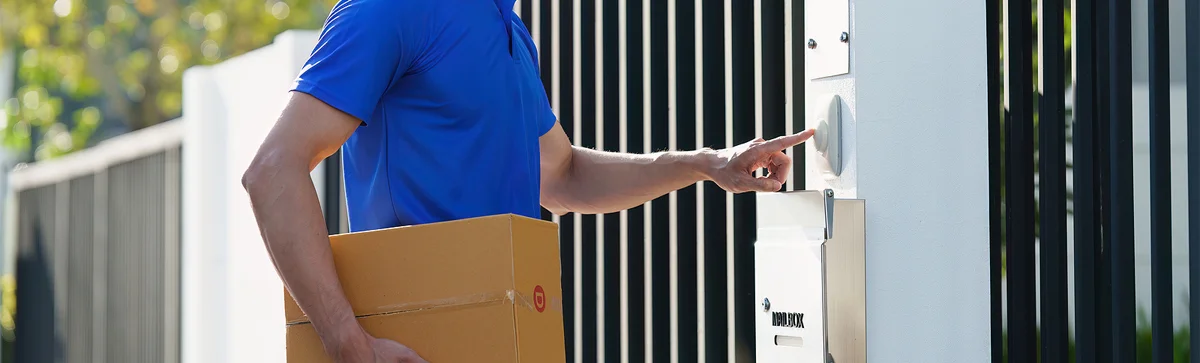
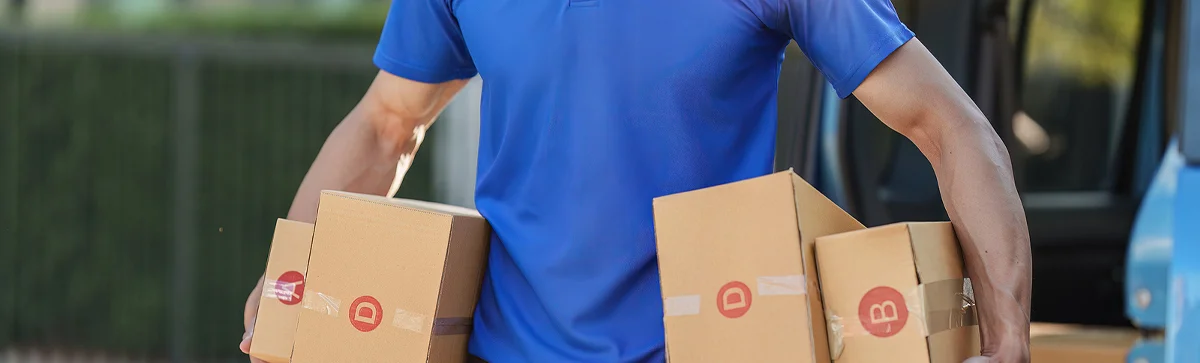
Same day delivery brings an order to its recipient on the day it’s placed, often within 24 hours of confirmation. For shippers, the promise depends on more than a fast driver: order cutoffs, payment checks, warehouse preparation, pickup timing, distance, traffic and weather all affect whether the parcel arrives on schedule.
The operating appeal is clear. A retailer can offer the immediacy associated with a nearby store while taking orders online or by phone. That convenience may help attract and retain customers, while on-demand transport can give a business another way to move goods without building a delivery operation of its own. But the service only works when fulfillment and transportation are coordinated around a realistic delivery window.
The term covers several service levels, from a parcel network that may route shipments through hubs to a dedicated courier carrying a shipment directly to its destination. Retailers can also use a broker platform to select available courier capacity or operate their own fleet. Each approach creates different tradeoffs in speed, control, cost and staffing.
How an order moves
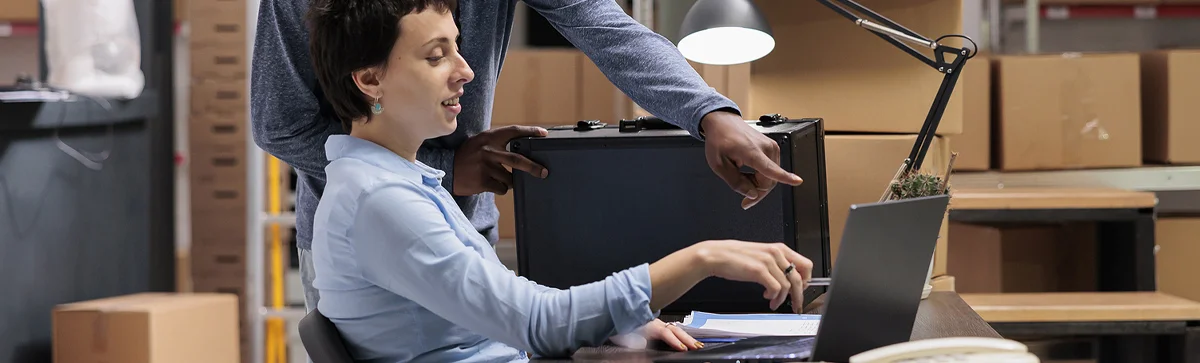
A typical same day shipment passes through three connected stages: order confirmation, preparation and delivery. The handoffs matter. A courier cannot recover time lost while a product waits for payment approval, picking, packing or labeling.
At checkout, the business confirms payment and checks that the transaction can proceed. The customer receives confirmation, while the courier or delivery platform receives the shipment details needed to arrange collection. Tracking information can then give the customer and shipper visibility into the order’s progress. If a delay develops, timely updates help both parties adjust expectations and plan around the revised arrival time.
Next, warehouse or fulfillment staff prepare the product. They package it securely, apply the shipping label and make it available for collection. The pickup time depends partly on the item’s size and packaging needs, and on how quickly the seller can complete its order process. That makes warehouse readiness a central part of the delivery promise: a short transit time doesn’t guarantee a short order-to-door time if the parcel isn’t ready when the driver arrives.
After collection, the driver secures the shipment in an appropriate vehicle and begins the route. GPS tracking can show the shipment’s progress to the customer and distributor. When traffic or another unexpected delay affects the trip, the courier can share an updated arrival estimate and, where practical, an alternate route. At drop-off, the driver records completion through the required proof of delivery, which may include a photograph or recipient signature.
For shippers, these steps make the service easier to assess. Useful questions include when the delivery clock starts, what the courier needs before dispatch, how tracking updates are shared, and what proof is captured at pickup and delivery. Clear answers help teams set a promise they can meet and resolve exceptions while the shipment is still in transit.

Choosing an operating model
Same day delivery is offered through several types of provider. The differences shape how directly a retailer can control the shipment, how much capacity it can access and how much operating overhead it must carry.
A large parcel carrier can provide a familiar network and broad reach. However, a shipment may pass through multiple stops or secondary facilities before reaching its destination. Those handoffs can add time and create more opportunities for a parcel to be delayed, misplaced or damaged. The source notes that a service labeled same day may not always arrive within the intended 24-hour window, so shippers should check the actual service commitment and routing process.
A broker platform gives retailers access to available courier providers and capacity. It can help a shipper book an immediate pickup without maintaining its own driver workforce. Depending on the provider, businesses may be able to choose among standard same day, rush and next-flight-out services. The tradeoff is that retailers need to understand what the platform’s options include, how pickups are assigned and who handles communication if the plan changes.
Running delivery in-house gives a retailer direct control over drivers, routes and customer interactions. It also requires the business to recruit and manage drivers, organize dispatch, maintain vehicles and coordinate packing and delivery operations. Those responsibilities can be costly, particularly when demand varies by season. The source cites a Wall Street Journal report describing fleets’ difficulty hiring enough drivers to meet consumer demand as the U.S. economy emerged from the pandemic.
Contracting with a courier can provide another way to cover variable demand. A retailer can use outside capacity when orders call for it rather than staffing a full delivery operation year-round. Whether that works well depends on the courier’s coverage, vehicle availability, pickup processes, shipment handling and ability to meet the requested delivery window.
There’s also a role for retailers with physical locations. A store can act as a nearby fulfillment point for online orders, connecting its existing inventory and customer reach with local delivery. That approach may help a business serve online shoppers while drawing on its current store network. It still requires a reliable process for confirming stock, picking the order and handing it to the courier quickly.
The source describes a survey by Reliable Couriers customer service representatives in the United States: nearly 50% of respondents said they would be willing to pay $8–$9 for same day delivery of a $65 item. The result suggests some consumers place a value on faster arrival, though the source doesn’t provide survey dates, sample size or methodology. Businesses weighing a delivery fee should treat customer willingness as something to measure for their own products and customers.
For a retailer, the commercial case rests on whether faster delivery leads to enough additional orders, repeat purchases or customer satisfaction to cover the service cost. The answer will differ by product, location and order profile. A high-priority replacement part or time-sensitive item may justify a dedicated trip more readily than a routine purchase with flexible timing.
What the service can offer customers and shippers
Fast arrival can support customer relationships when the retailer consistently meets the delivery commitment. Customers can see whether an order is on its way and receive updates if circumstances change. That visibility, combined with dependable delivery, can build confidence in the seller’s fulfillment process and contribute to stronger reviews.

Customer satisfaction is closely tied to whether the promise matches the result. A delivery that arrives when expected can make a purchase more convenient. A missed commitment, prolonged delay or missing parcel can have the opposite effect, prompting a customer to consider another retailer. Shippers should therefore treat the delivery window as an operational commitment that begins with order processing, rather than as a message added after checkout.
Speed may also affect conversion. Offering a faster option gives customers a choice when they need a product quickly, and a business may charge an additional fee to offset some of the transport expense. The right price and availability depend on the shipment and lane; the source doesn’t provide a general rate or margin calculation. Retailers can evaluate results by comparing service costs with order conversion, repeat purchases and customer feedback.
Inventory is another potential benefit. If goods can be replenished or delivered directly to customers quickly, a business may have less need to hold reserve stock or buffer inventory. The source argues that direct transportation and chain-of-custody records can support lower inventory levels. In practice, the amount of stock a retailer can remove depends on the reliability of supply and delivery, product availability and the consequences of a missed order. Same day service can contribute to an inventory plan, but it doesn’t remove the need to manage stock.
For distributors and manufacturers, a courier’s records can help establish where a shipment was collected and who received it. That record is particularly useful when a delivery requires a signature, photo confirmation or careful handoff. Shippers should confirm what evidence is available and how it is stored, especially for valuable, sensitive or time-critical goods.
Outsourced delivery may also reduce the need to hire a large team for periods when demand is high but seasonal. The source frames outside courier capacity as an alternative to staffing a full in-house operation. The practical choice depends on volume patterns and how much control the retailer needs over drivers, vehicles and the customer experience.
Service failures to plan around
A poor provider choice can raise costs in less obvious ways than the quoted delivery fee. A courier with weak route planning or limited experience may spend more time on a shipment, require additional coordination or create avoidable handling problems. Shippers should compare service terms and operating processes, not just the headline price.
Forecasting can be difficult for smaller retailers, especially when staffing is limited and orders need to move quickly. A provider that only collects a finished parcel may not help when the shipper needs support with packing or a sudden increase in fulfillment work. The source describes packaging assistance as one service couriers may provide. Businesses should establish in advance whether that support is available and what materials or instructions are required.
Meeting a deadline is another point of risk. A retailer may have production delays, labor constraints or an order that is ready later than expected. If the customer has paid for same day service, a missed cutoff or late pickup can undermine the promise before the package has traveled far. A rush service may help in some cases by prioritizing direct transport, but its availability and arrival time depend on the distance, pickup readiness and transportation options.
Handling standards also matter. A driver carrying several shipments may need to make multiple stops, while a dedicated trip can keep one customer’s goods separate during transport. The source warns that rushed or careless handling can result in damage, loss, replacement expense and poor customer feedback. Shippers should ask how parcels are secured, whether loads are combined, and what process the provider follows when something goes wrong.

These risks make service selection an operational decision. A retailer should check the courier’s coverage area, operating hours, vehicle types, tracking capability, pickup process, delivery documentation and communication procedures. The shipper also needs to share accurate dimensions, weight, handling instructions and recipient details so that the courier can assign suitable capacity.
Delivery options for different shipments

Same day delivery is an umbrella for services with different speeds, vehicles and handling needs. The available options vary by provider. The examples below describe services listed by Reliable Couriers in the source article; availability and terms should be confirmed with the provider.
Same day courier: A driver collects a prepared shipment and takes it to its destination within the agreed same day window. The source describes GPS tracking, documentation, chain-of-custody records and pickup or delivery signatures when needed. Vehicle choices range from sedans and cargo vans to box trucks with lift gates, allowing the shipper to match the vehicle to the load.
Rush delivery: For a tighter deadline, a rush service prioritizes the shipment and may route it directly from pickup to drop-off without intermediate stops. Transport can use a car, plane, train or another suitable mode, depending on distance and availability. The source says some deliveries may arrive in under an hour, but actual timing will depend on the route and service conditions.
Cargo van and freight delivery: Larger or irregular freight can require more space and loading equipment than a parcel vehicle provides. The source lists cargo vans and box trucks with lift gates for palletized or unusual loads, with capacity up to 10,000 pounds. Shippers should confirm vehicle dimensions, weight limits, loading arrangements and whether the freight can be carried on the required schedule.
Hotel delivery: A courier can bring items such as food, toiletries, clothing or purchases from a retailer or dry cleaner to a hotel guest. This option can help travelers who need an item while away from home, particularly when app-based services don’t handle the request. The source describes delivery within 24 hours or less.
Grocery and perishable delivery: Temperature control can help keep cold goods cold and hot food hot during transport. The source also describes dedicated handling, with the customer’s order carried without combining it with other deliveries. Shippers of perishable goods should confirm the temperature range, packaging requirements and time allowed in transit for their products.
Airport luggage delivery: A courier can assist with locating, collecting and delivering missing luggage. The source says the service provider has relationships with major airlines and can deliver bags within 24 hours or less. Travelers and shippers should confirm what information is needed to identify the bag and arrange collection.

Overnight service: A shipment that becomes ready late in the day can be collected and transported overnight for arrival the following morning. This can suit documents, letters or parcels with a morning deadline. Pickup timing and the destination schedule need to be coordinated so the shipment can travel through the night.
Long-distance courier: A shipment traveling a substantial distance may combine ground and air transport to meet its delivery window. The source lists planes, trains, cars, vans, trucks, bikes and travel on foot among possible modes. The appropriate combination depends on the distance, connection times and shipment requirements.
Payroll and check delivery: A dedicated courier can carry paychecks or other payroll documents between a business and an employee or vendor. The source describes sealed documents, privacy during transport and signatures at pickup and delivery. Those steps help document custody and confirm that the material reached the intended recipient.
Remote office pickup: When a remote worker needs to return company tools or equipment, a courier can collect the items and bring them back to the employer. The source describes drivers helping inventory and package equipment and record visible damage. A clear item list and pickup instructions can help both sides complete the handoff efficiently.
Trade show delivery: Exhibitors may need replacement materials or equipment at a venue after a shipment is delayed or an item is forgotten. The source describes dispatch for loads ranging from a flash drive to a pallet weighing up to 10,000 pounds. Shippers should provide the venue’s receiving instructions, delivery hours and contact details to avoid a failed handoff.
Next flight out: For a shipment that must cross the country quickly, the source describes booking the next available flight and matching the delivery to flight and ground travel time. It also offers hand-to-hand handling, in which the shipment remains in the courier’s custody. Airline schedules, acceptance requirements and destination handling will affect the final arrival time.
Print and delivery: A courier can collect printed materials and take them to the recipient on the same day. This can help when a print provider can complete an order quickly but doesn’t offer suitable delivery. Pickup arrangements need to reflect the printer’s completion time and the destination’s receiving hours.
Legal document delivery: The source lists record staging, document retrieval and filing with a court clerk as services offered by legal couriers. These jobs can involve strict schedules and sensitive paperwork, so shippers should confirm handling, privacy and proof-of-delivery requirements before dispatch.
Medical delivery: Medical shipments can include specimens, samples, devices and equipment. The source describes trained drivers, temperature-controlled transport for specimens and larger vehicles for equipment. The appropriate vehicle and handling process depend on the shipment; healthcare shippers should confirm the provider’s qualifications and requirements for the specific delivery.
What keeps same day operations dependable

A courier’s performance depends on people, vehicles, customer support and pricing working together. A strong dispatch plan won’t help if the assigned vehicle can’t carry the load, and a suitable truck won’t meet the deadline if the parcel isn’t ready for collection.
Drivers need the training and equipment to complete the delivery types they accept. That can include understanding pickup and delivery procedures, documenting custody, using tracking systems and following shipment-specific instructions. A capable fleet should include vehicles suited to a range of parcels and freight, so the service can match capacity to the load.
Customer service also extends beyond the driver. Dispatchers and support staff need accurate shipment information and a way to communicate changes to both shipper and recipient. Courteous service matters, but so does being able to explain an exception, provide a useful arrival estimate and identify a workable next step.
Pricing needs to account for the real cost of the service, including driver time, fuel, vehicle maintenance and support staff. At the same time, a shipper needs to understand what the quoted price covers. Pickup distance, delivery distance, urgency, vehicle type and special handling can affect a job’s cost. Clear pricing helps businesses decide when same day transport makes sense for a particular order.
Environmental considerations and what comes next
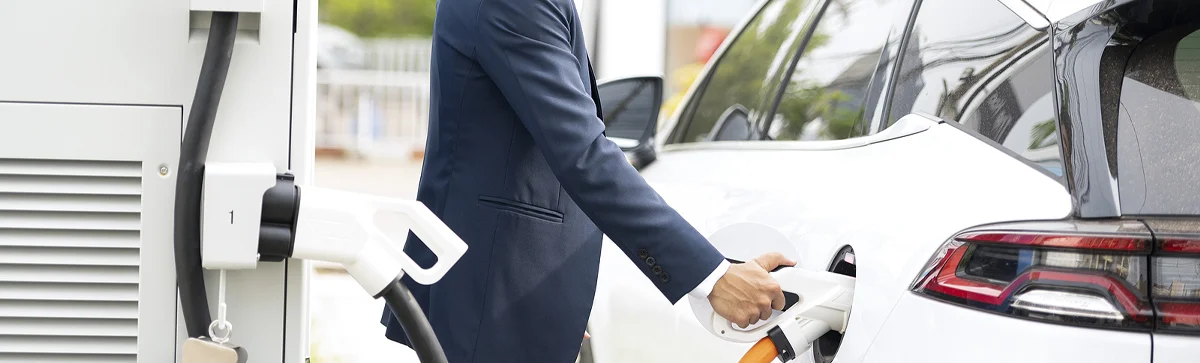
The source points to several ways courier operations may reduce their environmental footprint: electric vehicles, improved GPS routing and remote work for dispatch or office staff. Better routing can help drivers choose efficient paths, while vehicle changes affect the energy used on the road. The environmental result depends on the fleet, route and shipment pattern; a same day label alone doesn’t establish how much impact a delivery has.
Demand for faster shipping is the central force behind the service’s growth. Standard ground transport can take days, while a same day courier can move urgent shipments within hours or within a 24-hour window. Retailers and other shippers are weighing that speed against the cost of dedicated or expedited capacity, the ability to prepare orders quickly and the consequences of missing a delivery commitment.
The most useful next step for a shipper is to define which orders warrant faster service and match each one to an operating model. That means setting realistic order cutoffs, preparing parcels on time, selecting the right vehicle and confirming how the courier will track and document the handoff. When those pieces fit, same day delivery can provide a practical service option for customers and a flexible transport tool for businesses.
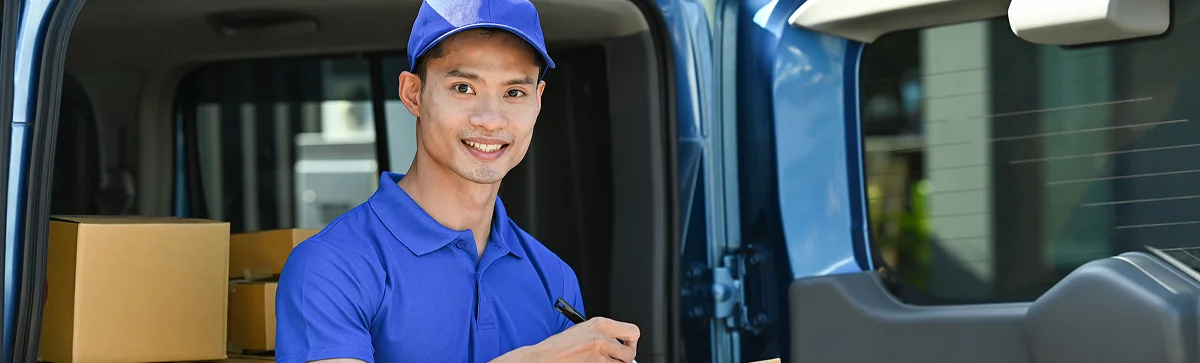
The source describes a broad range of courier uses, from small parcels and printed materials to pallets, groceries, medical items and luggage. For shippers, the decision comes down to the shipment’s urgency, handling needs, distance and cost. A delivery offer is only as dependable as the process behind it: the order must be ready, the courier must have suitable capacity, and the customer needs clear updates from pickup through proof of delivery.
The post What is same day delivery, and how can it help? appeared first on Reliable Couriers.


