Friday, October 16, 2026 · Trucking & Freight
When Full-Load Trucking Fits Your Freight Operation
Noted by awi-admin · 800 reads
Full-load trucking can suit large shipments, tight delivery windows and sensitive cargo by reducing transfers and intermediate stops.
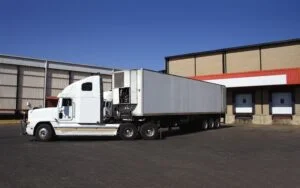
FTL vs. LTL: Evan Transportation is here for your FTL transportation needs in the Mid-Atlantic region.
Reserving an entire trailer can make sense when shipment volume, delivery timing or cargo sensitivity makes shared transport harder to manage. Full-load trucking, often called FTL, gives a shipper dedicated trailer space for a load moving between its origin and destination. The choice depends on the shipment and the service requirements: a dedicated truck may reduce handling and intermediate stops, while its cost is harder to justify when freight occupies only a small portion of the trailer.
For logistics teams, the practical question is whether the benefits of a direct, dedicated move are worth reserving that capacity. Shipment size is one consideration; delivery windows, cargo characteristics and the number of handoffs also matter. Looking at those needs together helps teams choose a transport plan that fits the freight rather than relying on one approach for every load.
When shipment size supports a dedicated trailer
FTL is a natural option when a shipment fills, or comes close to filling, a 53-foot semi-trailer or approaches applicable weight limits. A large group of pallets, bulk agricultural goods, heavy industrial equipment and retail inventory for restocking may all require substantial trailer capacity. Shipping those goods together can simplify the move: the freight travels as one load in one vehicle instead of being combined with other customers’ shipments.
There’s also a cost question. When a shipper has enough freight to use most of the available space, paying for a dedicated trailer can be more cost-effective per unit than splitting the shipment across shared transport. That calculation depends on the load’s volume and weight, the service being arranged and the freight’s destination. A shipment that uses only a small part of the trailer may not make the same case for FTL. Teams can compare the price of reserving the vehicle with the options available for smaller loads before booking.
Grouping a high-volume shipment also gives the shipper a single vehicle to track for that move. That can make coordination easier when the load includes many pallets or items intended for the same receiving location. The benefit is clearest when the freight can be loaded together and delivered in one trip.
When transit time and appointment control matter
Shared freight can pass through regional distribution hubs, where shipments for multiple customers are sorted, loaded and unloaded. A dedicated truck can instead travel from the shipper’s facility toward the destination without those intermediate freight transfers. That simpler path can reduce delays associated with sorting and hub stops.
For a delivery tied to a customer window, production schedule or supply chain commitment, fewer stops may make arrival timing easier to manage. It can also give the shipper tighter control over pickup and delivery coordination. A direct route does not remove every source of delay, and a delivery still depends on the trip and the receiving operation. But when the shipment’s timing is important, avoiding extra handling and intermediate stops can be useful.
That makes FTL worth considering for freight that must reach a facility in time for a planned operation or an agreed delivery window. The decision should account for the full move, including loading and receiving arrangements, rather than assuming that a dedicated truck alone guarantees a particular arrival time.
When fewer freight transfers matter
Each transfer at a shipping terminal creates another opportunity for goods to be shifted, sorted or misplaced. With dedicated trucking, freight is generally loaded at its origin and unloaded at its destination, reducing the number of handling points along the way. That can be valuable for fragile manufacturing components, high-value electronics and other cargo that benefits from a more controlled trip.
Temperature-controlled shipments may also suit a dedicated move. Fresh produce, dairy and pharmaceuticals can require refrigeration throughout transit. A sealed trailer with refrigeration settings maintained over the journey can reduce interruptions to the shipment’s handling. Shippers still need to specify the cargo’s temperature requirements and coordinate loading and delivery so the selected service fits the goods.
In practice, the case for dedicated service grows when the consequences of extra handling or a missed window are significant to the operation. Teams can weigh those needs against trailer use and cost, then choose the service that matches the shipment’s value, sensitivity and delivery plan.
How a dedicated move can simplify coordination
Every additional stop can add coordination work and make a shipment’s progress harder to follow. Reserving a trailer gives dispatchers and fleet monitors a single vehicle to track for the move. With fewer handoffs and a more direct trip, logistics staff may have a clearer view of where the freight is and what remains before delivery.
Simpler tracking can help a team manage delivery expectations and respond to changes during transit. It can also reduce the time spent coordinating among multiple transfer points. Those advantages are most useful when the load’s size, timing or handling needs justify the dedicated capacity; FTL is not automatically the best fit for every shipment.
For freight planners, the practical takeaway is to assess volume, weight, delivery timing and cargo sensitivity together. A full trailer is easier to justify when it carries enough freight to use the space, while a tight receiving window or a need to limit transfers may support the choice even when other considerations are involved. Comparing those needs before booking can help keep the move aligned with the shipment’s requirements.
Evan Transportation provides trucking and transportation services in the Mid-Atlantic region. More information is available through its transportation blog and contact page; the company lists 443-673-3365 as its phone number. Its social channels include Facebook, Twitter, Pinterest and LinkedIn.
The post When to Use Full-Load Trucking appeared first on Evan Transportation.


