Friday, October 2, 2026 · Trucking & Freight
Warehouse vs. Distribution Center: Choosing the Right Inventory Facility
Noted by awi-admin · 500 reads
Warehouses hold inventory for future use; distribution centers move goods through faster. The right choice depends on storage time, shipment volume and delivery needs.
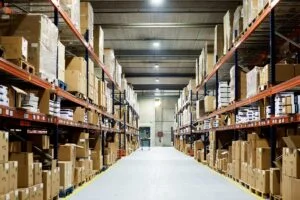
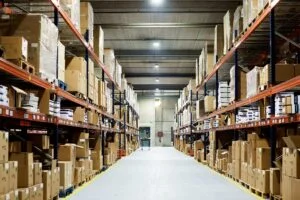
The practical difference between a warehouse and a distribution center is what happens to inventory after it arrives. A warehouse is built around holding goods until they’re needed. A distribution center is organized to receive, prepare and send goods onward at a faster pace. The terms can overlap, but the distinction matters when choosing a facility for a particular product flow.
For shippers, the decision comes down to more than the building’s name. Consider how long inventory will stay, how often orders need to leave, whether products require inspection or preparation, and how many destinations the facility must serve. The answers help determine whether storage is the main requirement or whether the site must function as an active link in the transport network.
When a warehouse fits the job
A warehouse primarily stores bulk inventory for longer periods. Inbound and outbound shipments can follow planned schedules that help organize labor, dock use and transport. A business might use one to hold goods for future production, to carry stock between demand cycles or to prepare for a seasonal increase in sales.
Automotive companies, for example, may store parts until a production site needs them. Retailers may build inventory ahead of the holiday shopping rush, as described in this guide to holiday truck shipping. In both cases, the facility’s central task is keeping products available and protected until they’re called for.
That makes a warehouse useful when shipments don’t need to move out immediately or at high frequency. A company planning storage should consider the likely holding period, the space required, how products will be accessed and how inbound and outbound appointments fit its schedule. Goods that remain in storage for a while still need a clear inventory plan: teams need to know what is on hand and when it should be released.
When a distribution center fits the job
A distribution center handles a more active flow. Goods arrive, may be stored briefly, and then move out to wholesalers, retailers, customers or other business partners. These facilities are suited to companies shipping regularly to multiple destinations, particularly when regional positioning can help organize the movement of bulk goods.
Alongside storage, a distribution center may support activities such as inspecting products, preparing them for shipment and sorting goods by destination. That added handling makes the site an operational step between suppliers and the next recipients. Its performance depends on coordinating inbound arrivals with outbound loads, maintaining accurate stock information and having space and staff ready for the work.
A distribution center differs from an e-commerce fulfillment center in its focus. Distribution centers move inventory through business-to-business and business-to-consumer channels; fulfillment centers concentrate on processing individual customer orders for e-commerce. The distinction is useful when mapping a network, though individual facilities can perform overlapping tasks. Shippers should confirm what services a particular site actually provides instead of relying on its label.
Compare the inventory flow before choosing
Start with the expected movement of goods. If inventory is held for future use and leaves on a planned schedule, a warehouse may match the requirement. If products need to pass through quickly and be dispatched to several recipients, a distribution center may be the better fit. The same company can need both types of capacity for different products, seasons or customer channels.
Next, map the work at each stage. Ask how goods will arrive, whether they need inspection or preparation, how shipments will be grouped, and how frequently carriers will collect them. Also account for the space needed to hold inventory while inbound and outbound schedules don’t line up. A facility that can store products but lacks the processes or layout for frequent dispatch may not support a high-turnover operation as expected.
Location belongs in the same assessment. A site’s position can affect the routes used to bring inventory in and deliver it onward, while local transport options influence how shipments are coordinated. For companies serving the Mid-Atlantic, Evan Transportation is based in Baltimore and describes services including outsourced trucking, road trailer rentals, intermodal shipping and local same-day shipping. The company also says it can connect businesses with warehousing, self-storage and mobile-storage options in the region.
Its truck transportation services information covers available transport options, and its page on TWIC certification and intermodal shipping describes related capabilities. Those details can help a shipper identify questions to ask when coordinating storage with transport: what equipment is available, which services cover the required lane, and how the provider handles the handoff between the facility and the next carrier.
Neither facility type is automatically the right choice for every operation. The deciding factor is how inventory needs to move: how long it stays, what work it requires while on site, and how reliably it must reach its next destination. Make that flow explicit before selecting capacity, and the facility can be evaluated against the actual shipping plan.


