Sunday, August 30, 2026 · Trucking & Freight
Core Fleet and Short-Term Rentals Help Canadian Fleets Meet Seasonal Demand
Noted by Ryan Hartley · 977 reads
A year-round leased fleet plus short-term rentals can cover seasonal peaks while limiting idle vehicles, capital costs and delivery delays.
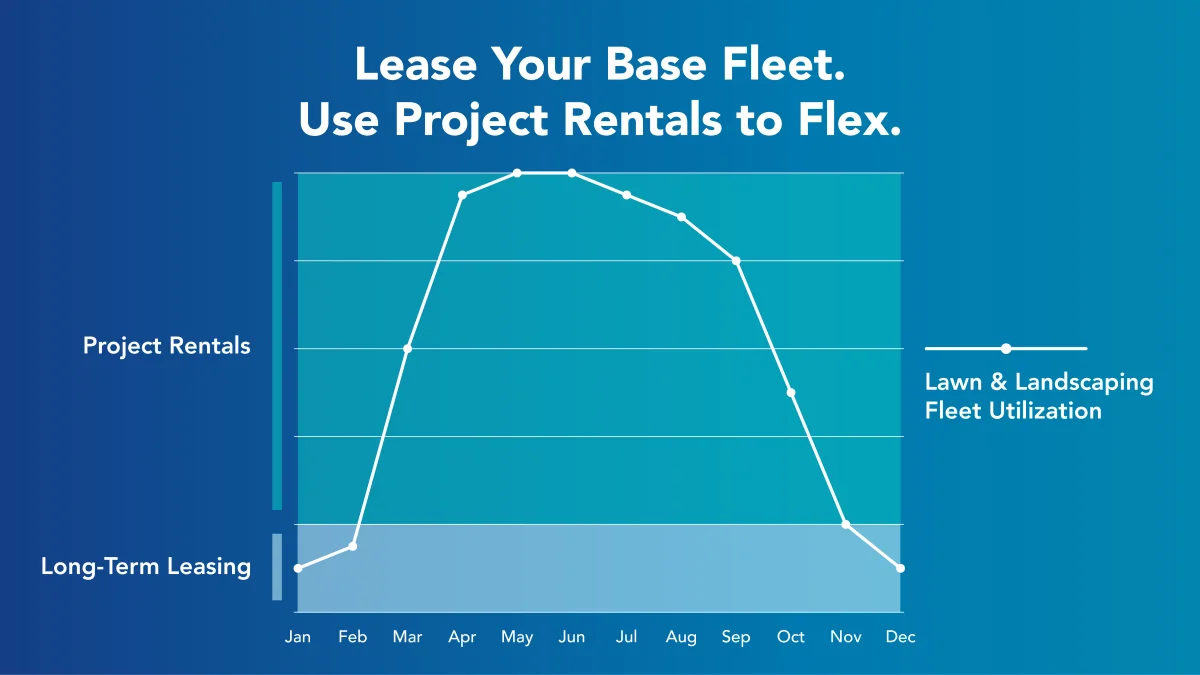
For fleets with seasonal work, the key decision isn’t how many vehicles to keep on hand for the busiest month. It’s how to cover that peak without carrying the cost of unused trucks and vans through the rest of the year. A mix of long-term leases for core operations and short-term commercial rentals for surges can give businesses room to adjust as projects and workloads change.

That approach also addresses a timing problem: Foss National Leasing fleet data for Q1 2026 puts lead times for new pickups and light commercial vans in Canada at 12 to 15 weeks for a suitable model in a stable year. When a contract starts sooner, ordering vehicles may not fill the gap in time.
Match the fleet to the work cycle
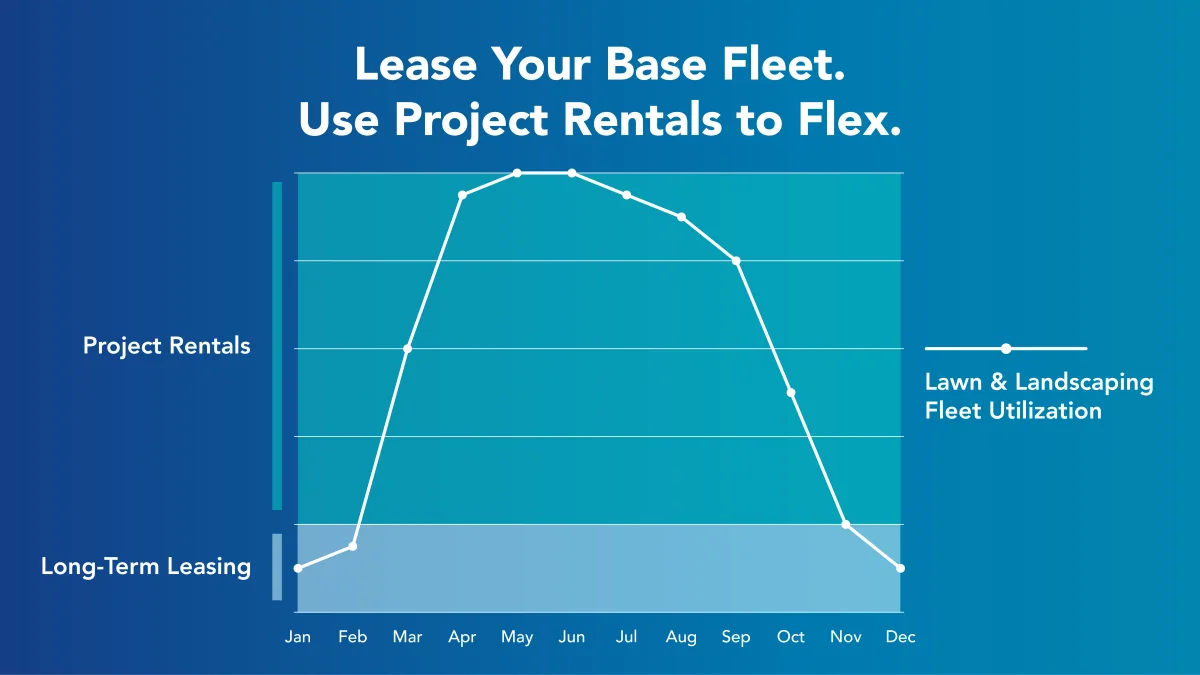
Construction, landscaping, snow removal and other seasonal operations often see demand rise sharply in spring, then ease later in the year. Last-mile delivery fleets can face their own sudden need for additional vans. In either case, building the permanent fleet around peak demand can leave vehicles idle for months. Sizing it only for regular workloads can leave teams short when new projects arrive.
Pre-ordering vehicles can help when the work pipeline is predictable. But if contract awards, project scope or timing can shift, a fixed order carries risk: more work than expected leaves a fleet short, while less work can leave a business paying for vehicles it doesn’t need. A rental arranged month to month through a fleet management company can provide commercial vehicles for a defined period, with commercial mileage allowances and work-ready configurations. The source describes this option as having no early termination fees.
The practical split is straightforward: keep the vehicles needed year-round in the core fleet, and add rentals when workloads peak. Return the extra vehicles as demand falls. That lets operators align vehicle commitments more closely with the duration of their projects.
Compare the options by how the vehicles will be used
Ownership, business leasing, retail rental and commercial fleet rental each fit a different operating pattern. The choice depends on how long the vehicles are needed, how quickly they must be ready for work, and how much flexibility the business needs.

- Ownership: It can suit stable, continuing demand, but requires substantial upfront capital and leaves the owner responsible for costs and the vehicle’s eventual resale.
- Long-term business leasing: It can provide predictable terms for vehicles used throughout the year. New vehicles may require factory ordering, so it may not solve an immediate capacity gap.
- Retail rental: It can provide fast access without a large initial outlay, but the vehicles may be configured for personal use and come with mileage and wear rules that don’t suit commercial operations.
- Short-term fleet rental: It is suited to surge demand where commercial-ready vehicles and flexible terms matter. Foss describes availability in days, though actual timing depends on the arrangement.
When ownership ties up capital
Construction businesses have often bought light commercial vehicles, operated them intensively and sold them when they were no longer needed. That can work, but it also ties up capital in assets that depreciate. Foss National Leasing fleet cost data for 2025 estimates depreciation at about 35% to 40% of total cost of ownership.
Insurance, maintenance and registration add to the expense. So does the cost of capital committed to vehicles, especially if a project ends early and the trucks sit unused. A short-term commercial rental changes the commitment: the business pays for the vehicle during the period it uses it, then returns it when the work ends. This can reduce exposure to resale value and the effort of disposing of vehicles, although businesses still need to compare the full rental terms and costs with their other options.
Retail rentals may not be ready for delivery work
For last-mile operators already accustomed to renting, the question is often whether a daily or weekly consumer rental can handle sustained commercial use. A standard van may arrive without shelving, load management equipment or other upfitting. Operators may pay to add equipment they cannot keep when they return the vehicle.
Mileage limits can also be a poor fit for delivery routes. If drivers exceed the allowance, overage charges can accumulate across multiple vehicles. Consumer-focused wear standards can expose operators to charges for scratches and other signs of intensive use. And without fleet management integration, managers may lack consolidated invoices, fuel reporting and telematics data to track vehicle use and costs.
The source says retail rental providers have reduced commercial inventory significantly since 2020, with tighter availability and higher rates. For vans needed month after month, daily pricing can add up. Foss Operations Manager Ryan Hartley sums up the distinction: “Retail vs. commercial vehicle rental isn’t just a pricing question. It’s a question of whether the vehicle is actually ready for the work you’re asking it to do.”

Foss describes its commercial rentals as having work-ready configurations, commercial wear standards and mileage allowances of up to 5,000 kilometres per month. The company says telematics can provide real-time information on fuel use, driver behaviour and maintenance needs. Those features can help managers monitor activity across a fleet, though the service details should be checked against each operator’s requirements.
Keep long-term leases for year-round needs
A long-term lease can make sense for vehicles that support the core crew throughout the year. The calculation changes when a business needs extra capacity for only part of the calendar. A landscaping or snow removal operator that needs more vehicles for four to six months could otherwise carry lease payments during quieter periods.
A hybrid fleet pairs long-term leases with short-term rentals. The core vehicles stay in place; additional units cover the seasonal workload and go back when demand eases. For a six-month construction project requiring two pickups and a cargo van, for example, project rentals could avoid a longer commitment if follow-on work is uncertain. The source says maintenance is covered through the busy period and vehicles can be returned early if work finishes ahead of schedule.
Check the fit before adding vehicles
Short-term rentals may be worth considering when project length or scope is uncertain, the business needs to scale quickly, or its busy season lasts less than eight months. The case is stronger when work volume fluctuates, vehicle needs vary by season, or immediate availability matters.
Financial and operational requirements also count. A rental may suit a business seeking to preserve capital, keep monthly costs predictable or avoid a long-term vehicle commitment. It may help when the team wants maintenance support or needs backup vehicles. Each factor should be weighed against the rental rate, included services and expected vehicle use.
Compare cost across the period of use
A short-term rental can carry a higher monthly rate than a long-term lease. That figure alone doesn’t show the full cost of a seasonal vehicle. Compare expenses across the months it will actually be used, including upfront costs, idle periods, maintenance, resale exposure and disposal. A month-to-month arrangement may be financially useful when payments stop as the project ends, but the result depends on the specific terms and operating pattern.
Foss says its rentals have a one-month minimum, prorated rates and no early termination fees. The company also says it can often deliver work-ready vehicles across Canada within days of an agreement, a potential advantage when new vehicle lead times are 12 to 15 weeks. Availability will matter most when projects start on short notice.
The company says rentals can also be paired with telematics and fuel management, including fuel exception reports, consolidated monthly invoicing and vehicle maintenance histories. Those records can give fleet managers a clearer view of where vehicles are, how they’re being driven and what they consume.
Foss cites Amrize, a North American building solutions company, as an example of rental use during a vehicle shortage. The source says Amrize received work-ready rentals across multiple teams and job sites, beginning in 2021, and that the arrangement became a long-term fleet relationship. The account describes a response to vehicle availability pressure; it doesn’t provide a broader cost comparison.
For fleet managers, the main takeaway is to size the permanent fleet around recurring work, then assess rentals against the length and requirements of each demand spike. The right combination can keep year-round operations equipped while giving seasonal teams access to vehicles when projects call for them.
Learn about seasonal fleet rentals or business vehicle leasing.


