Wednesday, June 17, 2026 · Trucking & Freight
Summer Fleet Maintenance Checklist: Tires, Cooling Systems and Driver Readiness
Noted by Dominic Riolo · 888 reads
Prepare fleet vehicles for summer with checks for tires, cooling, brakes, batteries, visibility and emergency supplies.

Summer heat and sudden rain can turn routine fleet operations into roadside delays. A seasonal maintenance pass helps managers catch issues with tires, cooling systems, brakes and visibility before they affect a vehicle on the road. It also gives drivers better protection from heat and leaves them more prepared if a trip is interrupted.

The checks below cover both vehicle condition and basic driver readiness. Build them into a scheduled inspection, and record the work so each vehicle’s needs are visible to the people responsible for maintenance.
Start with airflow, tires and cooling
Replace dirty engine air filters
A clogged air filter restricts the air reaching the engine. The engine may then work harder and use more fuel. Road dust, dirt, insects, pollen and other debris can accumulate in the filter, so include it in regular preventive maintenance. The source recommends replacement every 10,000 to 20,000 kilometres; check the vehicle’s service guidance and operating conditions when setting intervals.
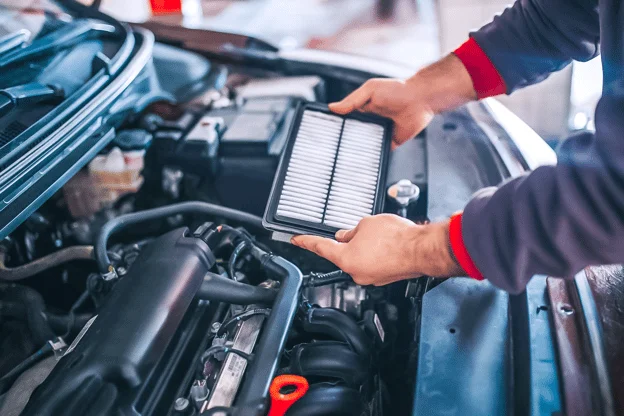
For a fleet, consistent filter checks can help identify vehicles working in especially dusty conditions. Recording replacements also makes it easier to spot units that need attention sooner than the general interval suggests.
Inspect tires and pressure
Confirm that vehicles have been switched from winter tires to summer tires where applicable. Then inspect tread condition and tire pressure. The source cites a pressure increase of one to two PSI for every 10-degree rise in outside air temperature, which makes pressure checks particularly relevant as temperatures climb.
Measure pressure when tires are cool, rather than immediately after driving, and use the vehicle or tire maker’s recommended pressure as the reference. Overinflation can contribute to uneven or premature wear, reduce traction and handling, and increase the risk of a blowout. A tread inspection can reveal wear that pressure checks alone won’t catch. Keep the pressure and tread results with the vehicle’s maintenance record so recurring issues can be followed up.
Check coolant and other fluids
Hot weather places extra demands on an engine’s cooling system. A vehicle sitting in traffic on a hot day can overheat if the system is not in good condition or coolant is low. Check coolant levels and look for signs that the system needs service. Use the correct coolant and follow the vehicle maker’s instructions when topping up.
Include engine oil, brake fluid, power steering fluid and windshield washer fluid in the same inspection. These checks are simple to schedule alongside other service work, and they help managers catch low levels before a vehicle is assigned to a busy route.
Protect driver comfort and visibility
Test air conditioning
Air conditioning affects driver comfort during hot-weather work. Run the system before temperatures peak and confirm it blows cool air. If it doesn’t, arrange troubleshooting or a mechanic’s inspection instead of leaving the issue for a driver to discover during a shift.

Comfort matters operationally: drivers working in heat may have a harder time staying comfortable and productive. Checking the system as part of the seasonal service schedule gives the fleet time to address faults before the hottest days arrive.
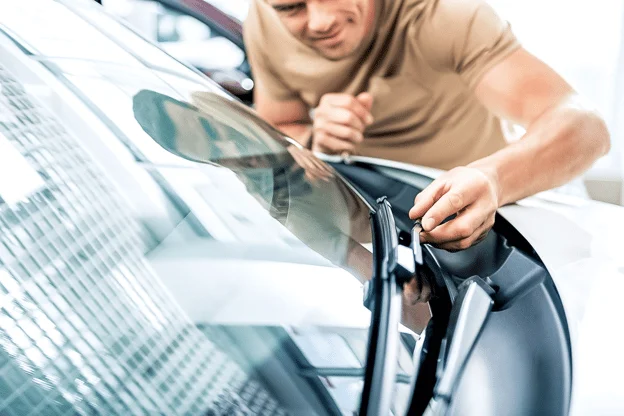
Replace worn windshield wipers
Winter ice, snow and road salt can crack or tear wiper rubber. A sunny inspection day may conceal the problem, but worn blades can leave a driver with poor visibility when a summer storm hits. Check the blades for damage and replace them if they no longer clear the windshield properly. Make sure washer fluid is topped up at the same time.

Service brakes
Fleet vehicles often accumulate heavy road use, which wears brake components. The source recommends servicing brakes twice a year, including once before summer and once before winter. A seasonal brake inspection can identify wear and needed repairs before a vehicle returns to regular work.
Keep the inspection and service history with the vehicle record. That gives fleet managers a clearer view of which units have been checked and when, and helps maintenance teams plan follow-up work.

Check batteries and reduce cabin heat
Inspect battery condition
Heat can shorten battery life. The source gives an average car battery lifespan of five to seven years, though fleet replacement cycles may be shorter. Even so, a pre-summer inspection can help identify a battery or connection that needs attention before it leaves a driver stranded.
Keep the battery top clean, since dirt and engine grease can contribute to power loss. Check terminals for blue-coloured corrosion, which can interfere with current flow, and remove buildup carefully. If the battery shows other signs of trouble, have it assessed by a mechanic.
Use sunshades
A sunshade can reduce cabin heat and protect interior surfaces when vehicles are parked in direct sunlight. The source says these shields can lower the interior temperature by up to 10 degrees Celsius. They can also reduce the chance that drivers will have to handle a scorching steering wheel when returning to a parked vehicle.
Equip vehicles for interruptions
Even a well-maintained vehicle can encounter trouble. The source recommends stocking vehicles with a first-aid kit, flares, flashlight, tire gauge, foam tire sealant, jumper cables, non-perishable snacks and water. Check that supplies are present and usable as part of the seasonal inspection, and replace anything missing or depleted.
Maintenance records and a consistent schedule help managers see what work each vehicle has received and when. A fleet maintenance program can track that history and flag upcoming service needs. For operations teams, the practical takeaway is to schedule these checks before the summer rush, document the results, and make sure vehicles return to service with working cooling, sound tires and the equipment drivers may need on the road.


