Thursday, August 27, 2026 · Ocean Shipping & Ports
Winter Tires: How Contact Tires Improve Grip and When to Fit Them
Noted by José Miguel Fernández Gómez · 478 reads
Contact tires stay flexible in cold weather, improving grip and braking. Learn when they make sense and how 3PMSF marking distinguishes them.
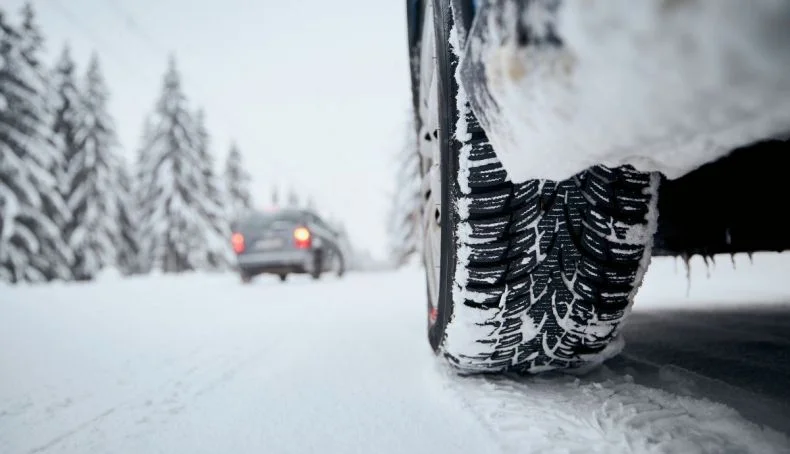
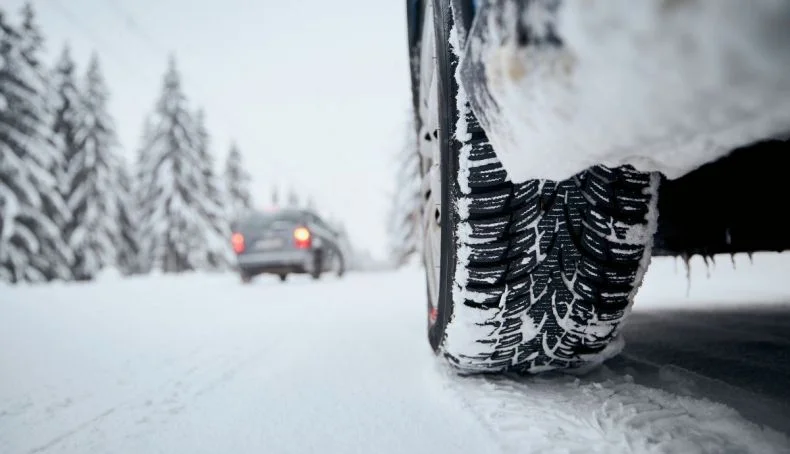
When temperatures stay low, winter tires can help a car brake, turn and keep moving on cold, wet roads. Often called contact tires in Spain, they’re designed for winter conditions rather than snow alone. Their softer rubber stays more pliable in the cold, while their tread helps clear water and grip snow.
What contact tires are designed to do
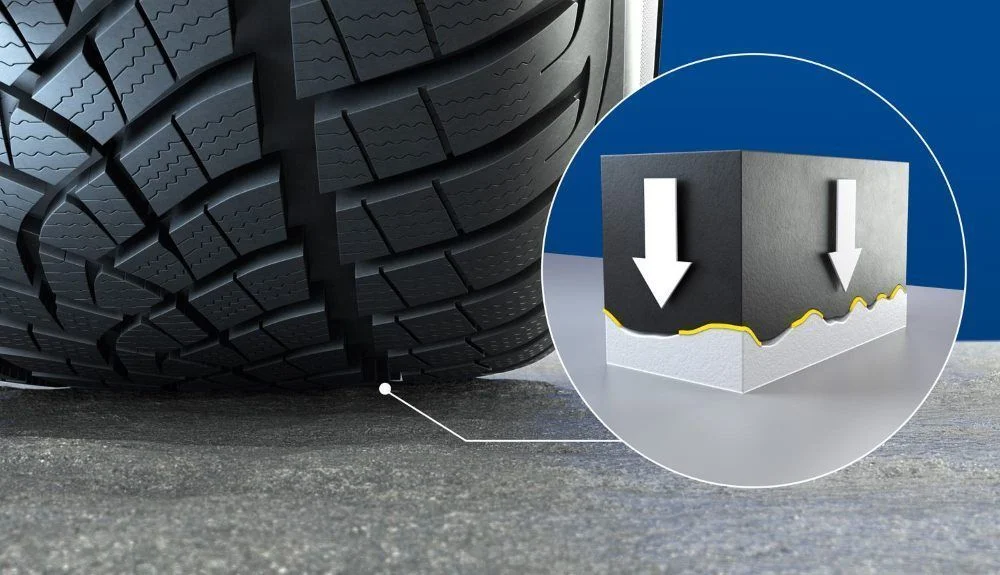
Contact tires are built for cold weather, including rain, slush, light ice and mountain roads. Their compound typically contains more silica than a summer tire’s and is formulated to remain flexible as temperatures fall. That flexibility helps the tread conform to small irregularities in the road, supporting traction when accelerating, braking and steering.
The tread is part of the design. Deeper channels move water and slush away from the tire’s contact area, while numerous narrow cuts, called sipes, help it grip snow. When snow packs into those cuts, the tire can gain traction through contact between the snow on the road and snow held in the tread.
Grip depends on the whole tire, not just its tread pattern. The sidewall, tread surface, casing and inflation pressure all affect how it meets the road. For a closer look at tire construction, see this guide to the parts of a car wheel.
Why cold weather changes tire performance
A summer tire’s rubber gets harder as the temperature drops. That can reduce how well it follows the road surface and, in turn, limit grip. Contact tires are made to retain more flexibility in low temperatures, which can help the car maintain control on cold pavement.
Their tread channels also help clear water and melted snow, reducing the chance of aquaplaning. The benefit isn’t limited to getting the car moving on snow: braking and steering response matter just as much. In cold, wet or snowy conditions, contact tires can shorten braking distances compared with summer tires and help the vehicle hold its line through a turn. Drivers should still know how to respond if the rear wheels skid.
Check for the 3PMSF snow marking
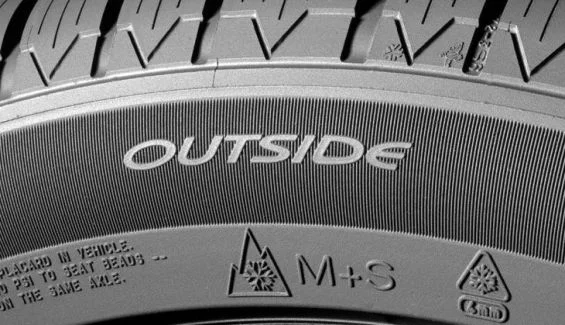
The 3PMSF symbol—a three-peaked mountain with a snowflake—identifies tires that have passed specific tests for performance on snow. It’s the marking to look for when choosing winter tires for snow conditions or as an alternative to carrying chains.
Don’t treat M+S as an equivalent guarantee. Those letters stand for “Mud and Snow,” but the marking doesn’t always mean the tire has passed a standardized winter-grip test. Checking the 3PMSF symbol gives buyers a clearer basis for comparing tires intended for winter use.
When they can replace snow chains
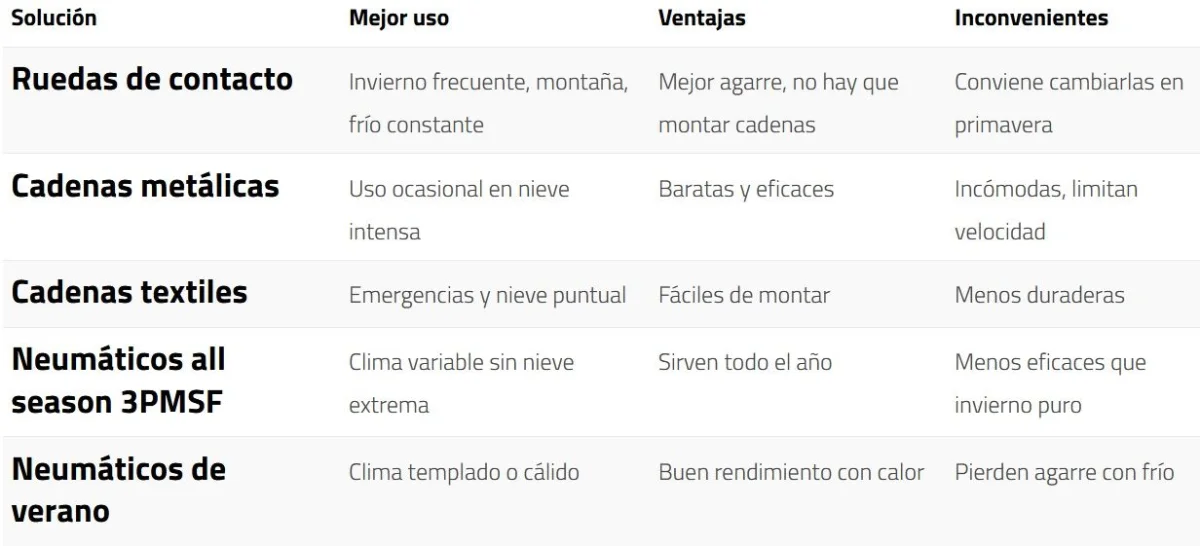
In Spain, winter tires bearing the 3PMSF marking can be used where chains or equivalent devices are required. Their practical advantage is that drivers don’t need to stop beside the road to fit chains during poor visibility or bad weather. Chains can still be useful for occasional trips, while winter tires may suit drivers who regularly travel in cold conditions. Compare the options in this guide to snow chains and textile chains.
When to fit them and how to manage wear
About 7 ºC is the usual rule of thumb. If average temperatures in your area sit below that level for weeks, winter tires may be a practical choice. They’re especially relevant for mountain areas, northern Spain, roads prone to frost, frequently used mountain passes and regular winter journeys. Snowfall isn’t a prerequisite: cold, wet pavement is also where their design can help.
Winter tires don’t necessarily wear out faster when used in the conditions they’re made for. Leaving them on through hot weather can speed wear because their compound softens too much in the heat. Using separate summer and winter sets lets each tire type work within its intended temperature range. Check pressure regularly as well: incorrect inflation can increase wear and reduce grip. This guide explains how to check tire pressure.
For drivers who mostly stay in mild coastal areas and rarely encounter snow, an all-season tire carrying the 3PMSF marking may offer a useful middle ground. Those who commute in frost, work on the road or often travel to ski areas may get more value from a dedicated winter set. Before a winter trip, check road conditions, particularly when snow, ice or wind advisories are in effect.
Common questions about contact tires
Are contact tires the same as winter tires?
In Spain, “contact tires” is a common name for winter tires designed for cold, wet, snowy and icy conditions.
Can I use them all year?
It isn’t recommended. Hot weather can increase their wear, and summer tires are better suited to warm conditions.
Do they mean I can leave chains at home?
Tires with the 3PMSF marking can replace chains where winter equipment is required in Spain. For drivers who face cold conditions often, the main advantage is having winter grip available without stopping to fit chains.
For fleet teams and individual drivers alike, the decision comes down to the temperatures and roads they encounter regularly. Choose tires with the right marking, check their pressure, and switch sets as the seasons change.
Source: Autopista.
Explore courses in fleet management, electrification, transport and logistics
This entry Contact tires: what they are, how they work and when they make sense was first published on Advanced Fleet.


