Wednesday, September 23, 2026 · Ocean Shipping & Ports
In-Stock OCTG Can Cut Procurement Delays When Specs and Records Check Out
Noted by a Guest Author · 772 reads
Verified, ready-to-ship tubulars may shorten procurement cycles, but buyers need to confirm fit, documentation, freight and delivery dates.
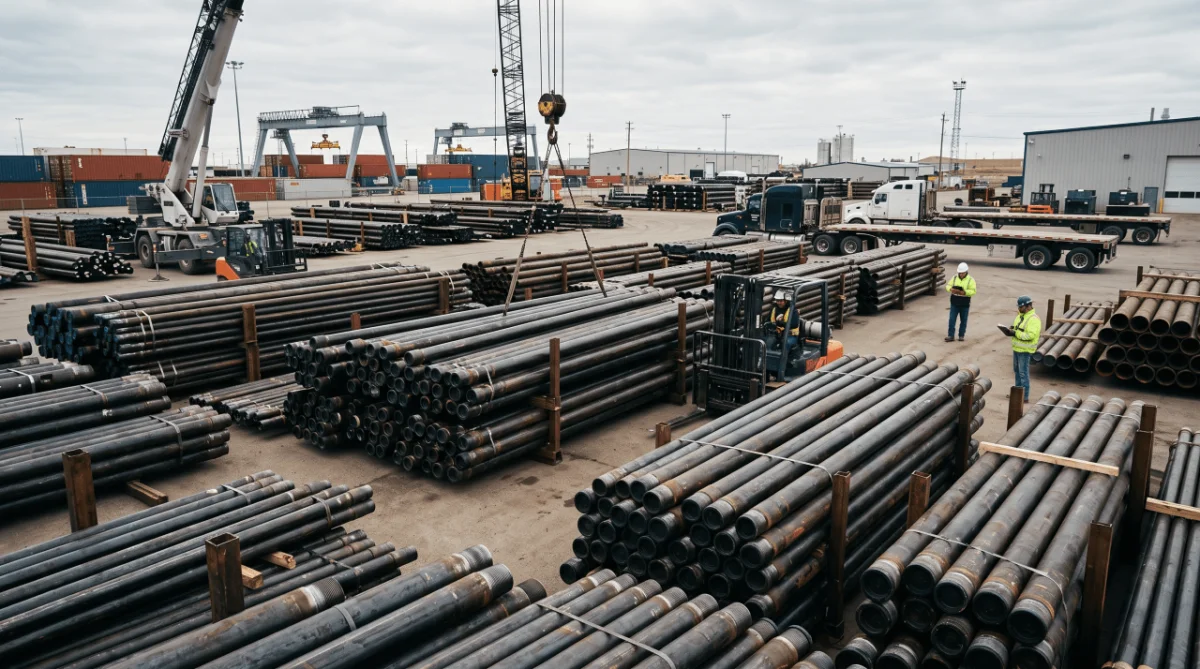
Available oil country tubular goods (OCTG) can help keep drilling and completion schedules on track when mill production takes too long. The key is confirming that inventory meets the well’s technical requirements, has usable supporting records and can reach the site when needed. A low purchase price alone doesn’t establish that a string is ready for service or economical to deliver.
Check fit before reserving stock
Long mill lead times can leave crews and equipment waiting for material. Buying from inventory may shorten that wait, but only if the available dimensions, grade and connection type match the well design or an alternative that engineering has approved. A mismatch discovered after purchase can add inspection, replacement or shipping steps, pushing the delivery date past the point when the material is needed.
Procurement and engineering can reduce that risk by reviewing acceptable alternatives early, before an order is placed. The teams can compare project requirements with stock on hand, identify which differences need engineering approval and ask suppliers for a delivery date tied to the actual inventory. This gives planners more useful information than a general estimate based on typical stock or production schedules.
Supplier delivery pressure is another factor buyers may need to account for. The Institute for Supply Management’s September 2026 manufacturing survey found that 21.4% of manufacturers reported slower supplier deliveries. Primary metals and fabricated metal products were among the affected industries. Because OCTG depends on steel supply, buyers may find it useful to factor broader delivery conditions into their planning, while still requesting a project-specific date from the supplier.
Compare the delivered cost
A discounted string can become more expensive once freight, inspection or reconditioning is included. Distance from the inventory location can affect shipping costs, while work needed to prepare material can add expense and time. Comparing the total delivered cost with the project budget gives buyers a fuller basis for evaluating an in-stock option against new mill production.
That comparison should account for whether the quoted material is ready to ship and what preparation, if any, remains. Buyers can ask suppliers to identify freight assumptions and any required inspection or repair work before committing. They can then weigh the likely schedule and delivered cost together, rather than treating the unit price as a complete picture.
Review the records along with the material
Technical suitability depends on more than a product description. Buyers need enough information to assess whether the tubulars fit the intended operating conditions, which may include high pressure, extreme temperatures or corrosive environments. Clear product identification and traceability help connect the material offered to the records that document its properties and inspections.
The American Petroleum Institute’s page on Specification 5CT’s 10th edition describes mill test report and marking requirements. Since the referenced information covers an earlier edition, buyers should check the current specification and their project requirements before relying on it. Reviewing records before purchase can help engineering and quality teams identify gaps while there is still time to consider other inventory.
Buyers can request mill test reports, inspection documentation and material verification records tied to the specific goods offered. Suppliers should be able to state the dimensions, grade and connection type clearly. With those details available in advance, the project team can assess the material and its paperwork before arranging freight or locking in a schedule.
What one project example shows
PipeSearch, a digital trading platform, describes its inventory as quality-verified OCTG options for urgent requirements. It says available stock can provide an alternative to waiting for mill production on rare materials, subject to engineering approval. That distinction matters: an inventory option only helps if the project team accepts it for the intended well.
In a reported onshore gas well project, PipeSearch said a complete string assembled from available inventory was delivered in seven weeks at 70% of the cost of new mill production. The company also cites 16 to 18 months of mill lead time for rare materials specified in some well designs. That lead time describes the category generally, rather than a confirmed quote for the project, and the seven-week result comes from one example. Neither figure establishes what another project will achieve.
For teams weighing a similar option, the practical questions are whether the inventory matches the approved design, whether the records support its use, and whether the supplier can confirm a delivery date for the particular order. Project-specific answers are more useful for schedule planning than a broad lead-time comparison.
Set a repeatable procurement check
Urgent orders tend to move faster when basic checks happen before a delivery date becomes fixed. Procurement can gather inventory details and freight assumptions; engineering can assess fit and approve any alternatives; and quality teams can review traceability and inspection records. That sequence helps surface issues while buyers still have a chance to compare options.
Reliable sourcing therefore depends on the match between verified stock, project requirements and a confirmed shipping plan. PipeSearch says it uses supply and demand intelligence to present options for urgent OCTG needs and expectations for asset value recovery. Buyers can assess those claims against the specific material, documentation, cost and schedule offered for their order.
In-stock tubulars may shorten a procurement cycle when the material is suitable and ready to ship. A firm delivery date, clear specifications and records linked to the goods give planners a stronger basis for scheduling drilling and completion work—and for applying the same checks to the next urgent order.


