Thursday, March 19, 2026 · Ocean Shipping & Ports
When E-Commerce Brands Should Outsource Fulfillment to a 3PL
Noted by Chris Kaps · 916 reads
Rising orders, shipping costs and sales channels can strain in-house fulfillment. A 3PL can add warehouse capacity and centralize order management.
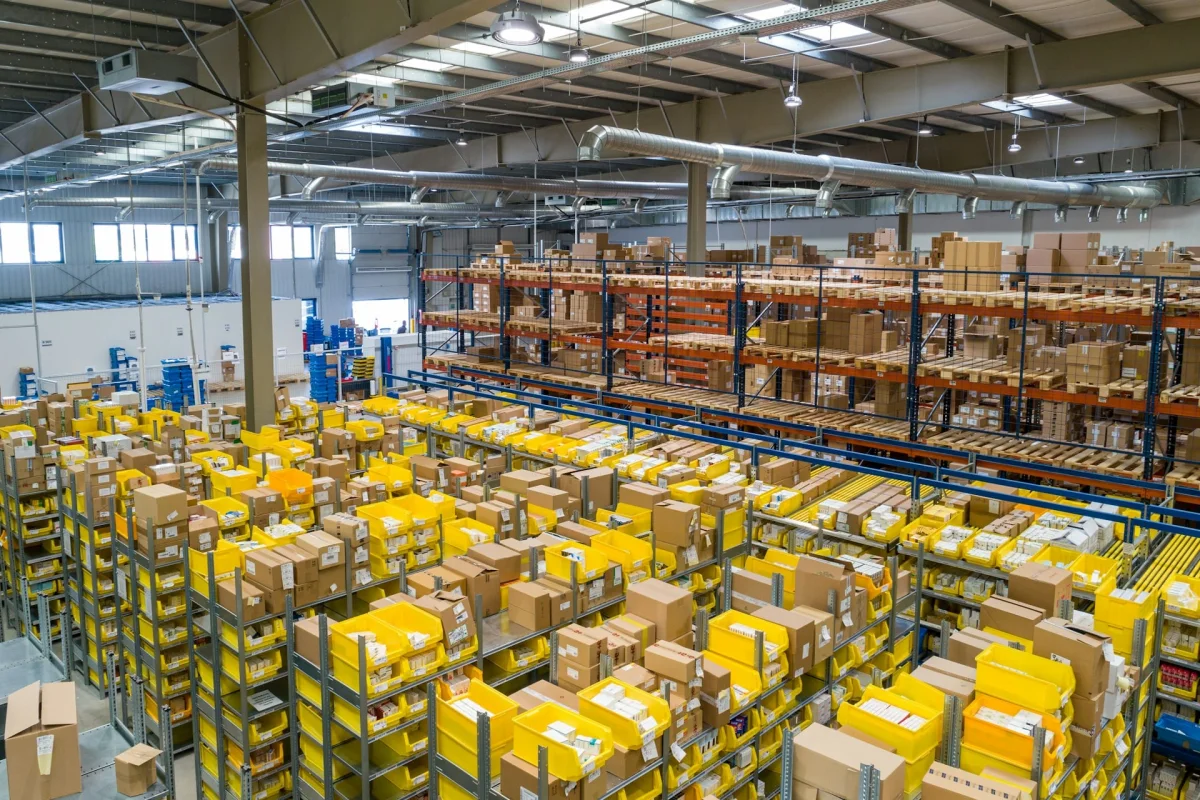
For an e-commerce brand, the case for a third-party logistics provider (3PL) often becomes clearer when fulfillment starts consuming the time and space needed to run the rest of the business. Higher order volumes, more sales channels and rising shipping costs can turn packing and dispatch into a daily constraint. Outsourcing can add warehouse capacity and operational support, though the timing depends on a company’s order flow, costs and plans for growth.
Many online retailers start by handling orders themselves, using space in an office, a small warehouse or even a spare room. That can work while volumes are manageable. As orders increase, the work expands too: teams must store and track more inventory, pick and pack products, coordinate shipping and resolve delivery problems. The question is whether the cost and effort of managing those tasks internally still make sense.
Signs that in-house fulfillment is under strain
Rapid sales growth is one signal. When staff spend much of their working day packing boxes, reconciling stock and dealing with shipping issues, fulfillment can pull attention away from other business priorities. A 3PL brings warehouse space, trained teams and established processes that can handle order preparation and dispatch. That capacity may help a brand absorb higher volumes without building the same operation inside its own business.
Costs also deserve a close look. Shipping expenses may rise as order volumes grow, while a brand managing shipments on its own may have less negotiating power with carriers than a provider shipping at a larger scale. The source article says 3PLs may access discounted rates and use automated systems to select a cost-effective carrier for each order. Those potential savings should be weighed against the provider’s fees and the brand’s current fulfillment costs; the article gives no figures for either.
Delivery expectations add another pressure. The article cites data that more than 70% of consumers abandon carts when the estimated delivery time exceeds two days. It links to the source for that figure, but does not give the study’s date or methodology. Its practical point is that processing speed and available shipping options can affect the customer’s purchase decision. A 3PL may help by coordinating warehouse processing and shipping, although the result depends on the provider’s locations, services and the routes a brand needs to cover.
Sales across a brand’s website, marketplaces and social commerce channels can make fulfillment harder to manage. Orders and inventory information may arrive through separate systems. A 3PL platform that connects to those channels can bring order and inventory management into one workflow, making it easier for a team to see what needs to ship and what stock remains. Brands should check which channels a provider supports and how inventory updates are handled.
What to assess in a provider
Technology is part of the operation, not a substitute for it. A fulfillment platform should give the brand access to inventory records, order status and shipment tracking. It should also connect with the sales channels the business uses. The article cites ProShipper as an example of a provider offering channel connections and a dashboard. Brands comparing providers can use these capabilities as questions for evaluation, while confirming that the systems fit their own workflows.
Capacity should match the company’s likely needs. A provider may need to accommodate higher order volumes, more products or additional sales channels as a business expands. Warehouse experience matters as well: storage, picking, packing and shipping all affect whether orders are processed accurately and reliably, particularly during busy periods. Brands can examine how a provider handles those tasks and whether its processes suit their products and order patterns.
Price is only one part of the comparison. A useful assessment also considers the services included, the technology available, the provider’s ability to scale and the operational work the brand expects to retain. The article does not provide a cost model or a volume threshold at which outsourcing becomes cheaper. Each business therefore needs to compare its own in-house expenses and workload with the provider’s terms.
Visibility and business fit
Moving physical operations outside the company doesn’t have to mean losing sight of orders. Modern fulfillment dashboards can show inventory, shipments and order status in real time. That visibility helps internal teams monitor activity while a provider manages the warehouse work. Before committing, a brand should establish what information it can access and how that information connects to its own sales systems.
Small businesses may benefit from outsourcing when growth is fast or warehouse space is limited. Early-stage companies, by contrast, may find it practical to keep fulfillment in-house until their order volume justifies the cost of an external operation. There isn’t a single threshold in the source that applies to every business; the decision turns on the balance between current workload, capacity and expense.
International expansion may bring another reason to consider a provider. Some 3PLs support cross-border shipping and customs documentation, which can help businesses manage additional logistics work. The article does not identify specific countries, routes or documentation services, so brands would need to check what each provider covers.
Outsourcing is most relevant when order growth, shipping expenses or channel complexity begin to strain the internal operation. The useful test is whether a provider can address those pressures while giving the brand suitable costs, capacity and visibility. If it can, fulfillment may become easier to scale while internal teams spend less time on daily pick-and-pack work and more on product and customer needs.
Chris Kaps is CEO of ProShipper.


