Wednesday, January 21, 2026 · Ocean Shipping & Ports
Retailers Need Accurate Inventory and Faster Store Workflows for Pickup and Returns
Noted by Lauren Buote · 963 reads
BOPIS, BORIS and same-day pickup depend on accurate stock data, efficient store workflows and secure handoffs that can handle rising order volume.
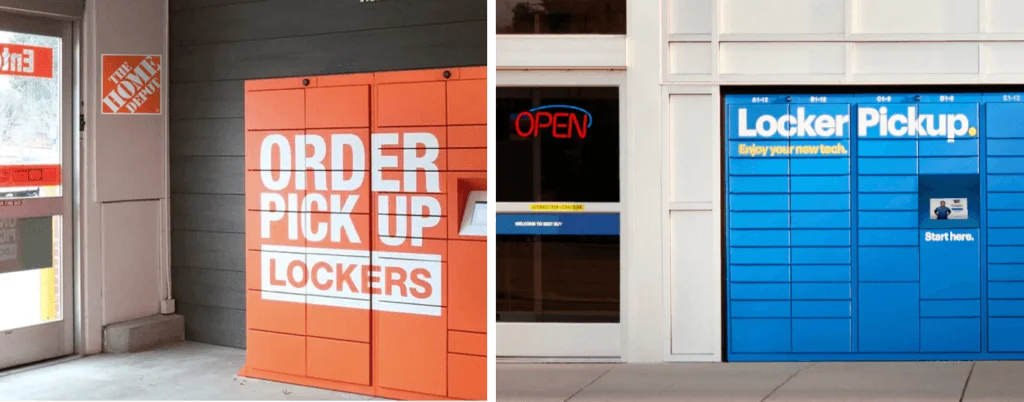
Buy online, pick up in store (BOPIS), buy online, return in store (BORIS) and same-day pickup turn retail stores into local fulfilment points. Meeting those expectations depends on more than offering a pickup option: retailers need inventory data, staffing plans and handoff processes that work together at store level.
The National Retail Federation (NRF) reports that more than half of U.S. shoppers regularly use BOPIS, with adoption continuing to rise. The model has outlasted its pandemic-era acceleration and now forms part of how customers expect to shop. For retailers, the operational test is whether stores can process online orders quickly without disrupting in-person service or adding avoidable cost.
Inventory accuracy starts the process
A customer can only rely on a pickup promise if the store’s inventory record reflects what is actually available. A mismatch between online stock information and the shelf can lead to cancelled orders, time spent searching, and a poor customer experience. It can also send associates looking for products that aren’t there while other store tasks wait.
IHL research says inventory distortion, including both out-of-stocks and overstocks, costs retailers hundreds of billions of dollars annually. The source doesn’t provide a specific figure or study date, but the operational implication is clear: errors can affect both online promises and store availability. Retailers supporting pickup and returns need inventory visibility that updates across ecommerce, point-of-sale (POS) systems and store operations in near real time.
That shared view matters throughout an order’s lifecycle. A store needs to know whether an item can be promised, whether it has been picked and staged, and whether it has left the store with the customer. A BORIS return adds another inventory event: staff must validate the transaction and update stock promptly so the returned item’s status is reflected in the systems used for later orders. Accurate records help reduce fulfilment errors and give customers a more dependable view of what they can collect.
Stores need workflows built for fulfilment
Pickup orders introduce several tasks into the store’s daily routine: receiving an order, setting its priority, locating the items, staging them and handing them to the customer. Returns bring their own checks and updates. Without clear steps, associates may lose time searching for products, sorting out staging areas or resolving problems that could have been addressed earlier in the process.
Many stores were designed primarily for customers to browse and buy on site. They now have to serve that role while also acting as local fulfilment centres. Retailers are responding by considering dedicated areas for orders awaiting pickup and returns. A well-placed staging zone can help keep goods organized and reduce interference with merchandise displays and customer traffic.
Space and staffing constrain how much work a store can absorb. The source describes retailers managing higher fulfilment volumes while many locations are understaffed. Workflows therefore need to limit unnecessary steps and make it clear who handles each task, especially during busy periods. Flexible store setups can help locations expand their fulfilment activity as demand changes without major renovations or extra square footage.
The handoff affects service and control
The pickup counter is where delays become visible to customers. Crowded queues, long waits and manual checks can make a convenient order feel cumbersome. For returns, staff must confirm the purchase and make sure the inventory record changes as the item moves back into the store’s process. These handoffs need to be quick while still giving staff a dependable way to track goods.
The source also identifies shrinkage and theft as concerns around frequent handoffs and orders left unattended. That makes staging and release procedures part of day-to-day inventory control as well as customer service. Retailers need a process that keeps orders accounted for, verifies collection and limits avoidable handling errors.
Lockers can change the pickup process
Smart lockers are one option retailers are using for BOPIS, BORIS and same-day pickup. They provide a designated place to stage orders and let customers collect them without relying on an associate to manage every routine handoff. Depending on how a retailer configures its workflow, lockers can reduce counter congestion and give customers more flexibility about when they retrieve an order.
For store teams, that approach may reduce repeated handoff tasks and the time spent managing unattended orders. The source names Luxer One as a provider whose lockers can be integrated into existing store workflows. Retailers weighing this type of system still need to fit it to their order handling, space and inventory processes; a locker doesn’t replace accurate stock records or a clear procedure for returns.
BOPIS, BORIS and same-day pickup work best when inventory visibility, store layout, staffing and customer handoffs are planned as one operating system. As online and in-store shopping continue to converge, the practical measure of a store’s readiness is whether it can fulfil orders and process returns reliably alongside its regular customer service.
Lauren Buote is a Marketing Coordinator at Luxer One. She has a fine arts background from North Carolina State University and marketing experience in small businesses and museums, and works on content and design for the company’s commercial business.


