Tuesday, September 22, 2026 · Ocean Shipping & Ports
Maritime Job Seekers: Spotting Recruitment Scams Before Sharing Details
Noted by [email protected] · 967 reads
Unexpected messages, payment requests and impersonated staff can signal a fake maritime job offer. Verify contacts before replying or sharing information.
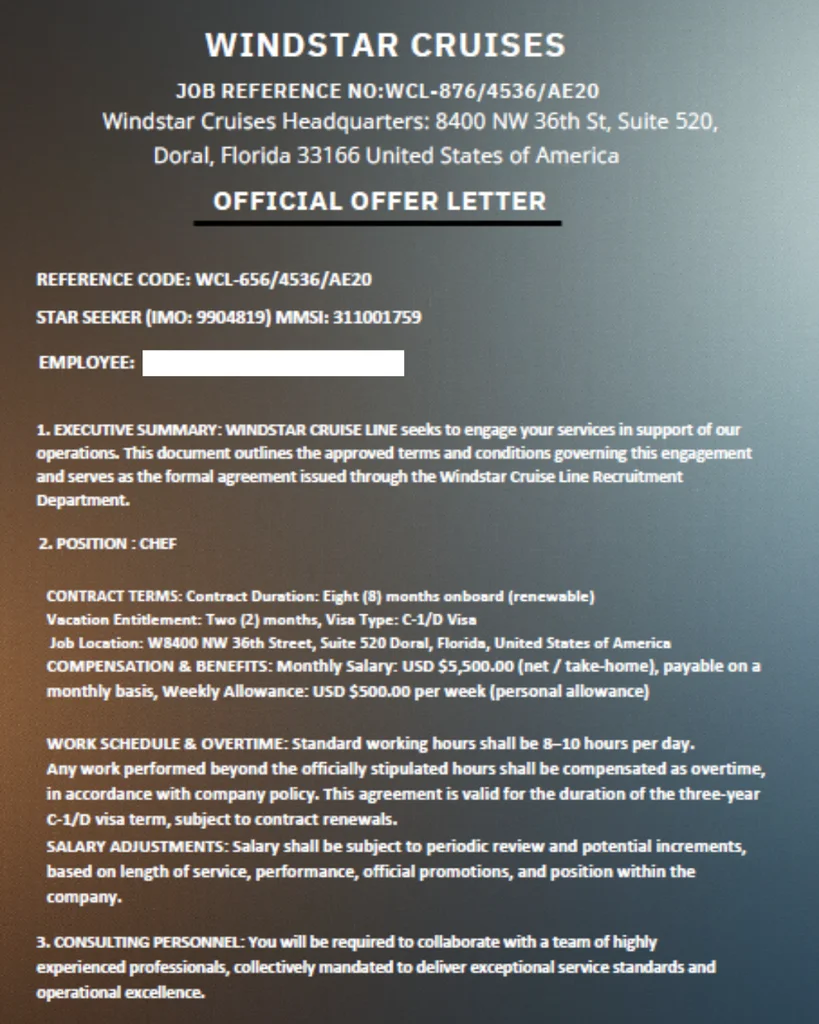
For maritime job seekers, a convincing vessel name or familiar company logo doesn’t prove that a vacancy is real. Viking Crew says candidates have been misled into sharing personal details and making unnecessary payments. The practical safeguard is to verify who contacted you and how the role was presented before clicking links, sending information or paying anything.
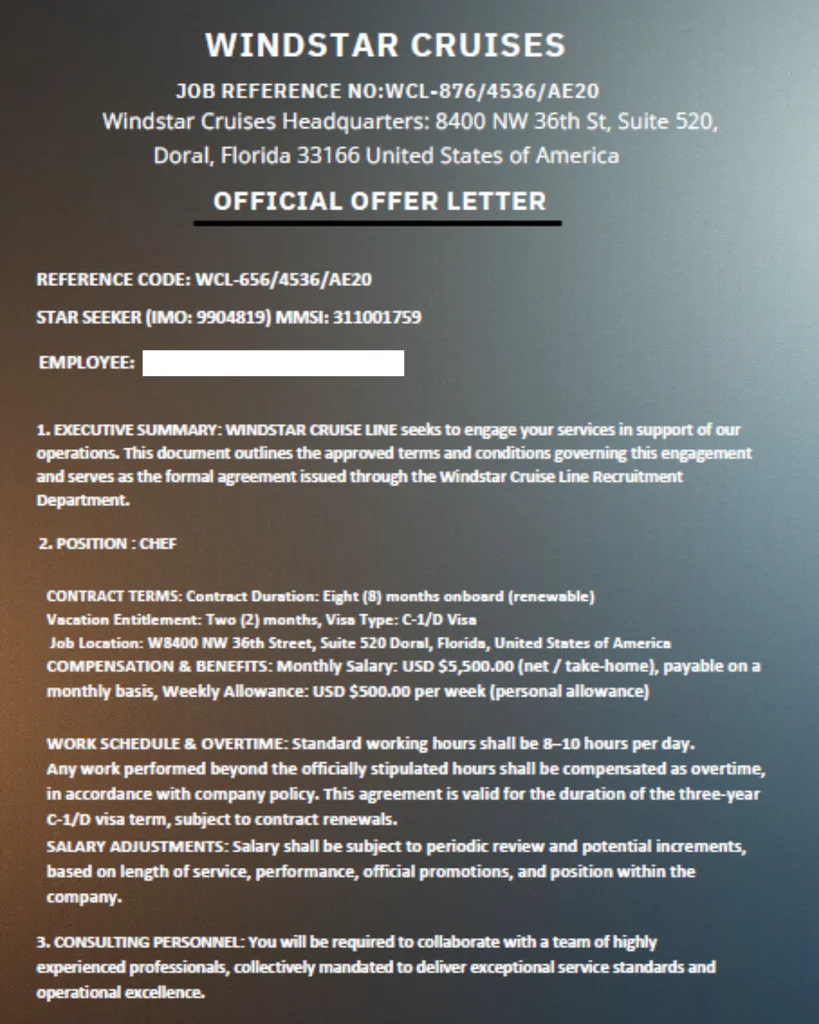
Recruitment scams can imitate ordinary hiring messages, including by using genuine vessel names, company locations and detailed job descriptions. That makes small inconsistencies worth checking. An unexpected approach, a message about a role you never applied for, contact through WhatsApp or a request for payment should prompt closer scrutiny.
Check the contact before responding
Start with the message itself. If an email or other message arrives unexpectedly, don’t click its links. Viking Crew warns that links may contain malware or viruses. Even if the message appears to lead to a familiar recruitment page, navigate to the company’s website independently and use the contact details listed there to check whether the sender and vacancy are genuine.
The sender’s address can offer a clue, but it isn’t conclusive. A message may look as if it came from a real company while using an address that doesn’t belong to it. Compare the address carefully with contact information on the company’s own site. If anything is unclear, contact the company through the details you found yourself instead of replying to the message or using its links.
Viking Crew directs candidates to its contact page to check its contact information. That independent check matters because a scam message can imitate a company’s name or visual style. Treat the sender’s claims as something to confirm, not as proof of identity.
Look beyond the job description
Polished details don’t guarantee a legitimate offer. Scammers may include real vessel names, head office information and descriptions that sound like maritime vacancies. Company logos and branding can also be copied, so a professional appearance alone doesn’t establish that the person contacting you works for the recruiter.
Read the message for spelling mistakes and other inconsistencies. Viking Crew identifies errors in written messages as one possible warning sign. A typo by itself may not settle whether an offer is genuine, but it gives you a reason to verify the sender and the position through a separate channel.
Check whether the role fits your own application history. An offer for a position you didn’t apply for deserves particular care, especially if it arrives through an unexpected messaging service or asks you to act quickly. Review the message against what you know about your applications, then contact the recruiter using details from the company’s website if the connection isn’t clear.
For a message claiming to come from Viking Crew, candidates can compare the sender with the people listed on the company’s team page. A familiar logo or name can be copied; checking whether the person appears among the company’s team members is a separate way to assess the claim. If you still can’t verify the contact, pause before sending personal details or taking further steps.
Treat payment requests as a warning
Viking Crew lists requests for payment among the signs of recruitment scamming. If a supposed recruiter asks you to send money as part of an offer, don’t treat the request as routine simply because the message includes convincing job details. Verify the person and the position directly through the company’s independently sourced contact information before responding.
Protect personal details with the same care. The company reports that candidates have been misled into sharing them. An unexpected offer is not, by itself, a reason to hand over information. First establish who is asking, whether the role matches an application you made, and whether the company can confirm the contact.
Report impersonation attempts
If someone contacts you while claiming to represent Viking Crew or one of its clients, the company asks candidates to report the message and include any attachments. Reports can help its team alert others who may have received similar approaches. Viking Crew provides a client information page and accepts reports by email at [email protected].
Keep the message and its attachments available when reporting it so the company can review what was sent. Don’t use contact details supplied by the sender to verify the offer; use the company’s website to find a separate route. That simple sequence—pause, check the sender, confirm the role, then report suspicious contact—helps candidates pursue maritime opportunities with more confidence.
Read the original guidance from Viking Crew or visit Viking Crew.


