Thursday, January 29, 2026 · Ocean Shipping & Ports
Scarlett Box Brings Emergency Period Products Aboard Merchant Ships
Noted by Alexandra Cayzer · 456 reads
A deck officer’s experience led to an onboard supply solution aimed at making maritime work more supportive for women.
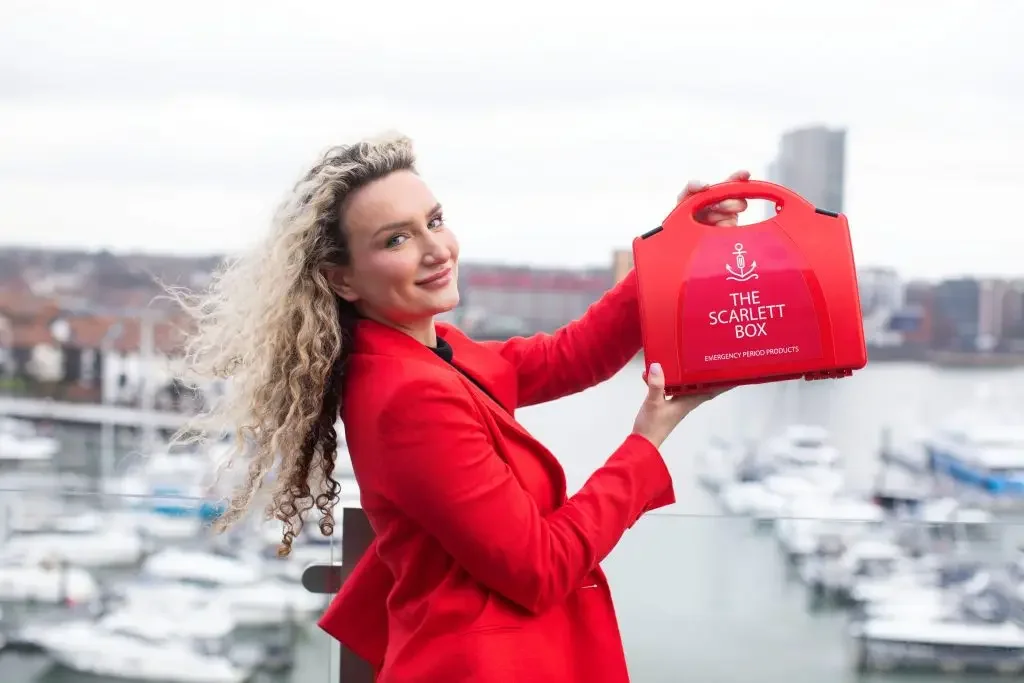
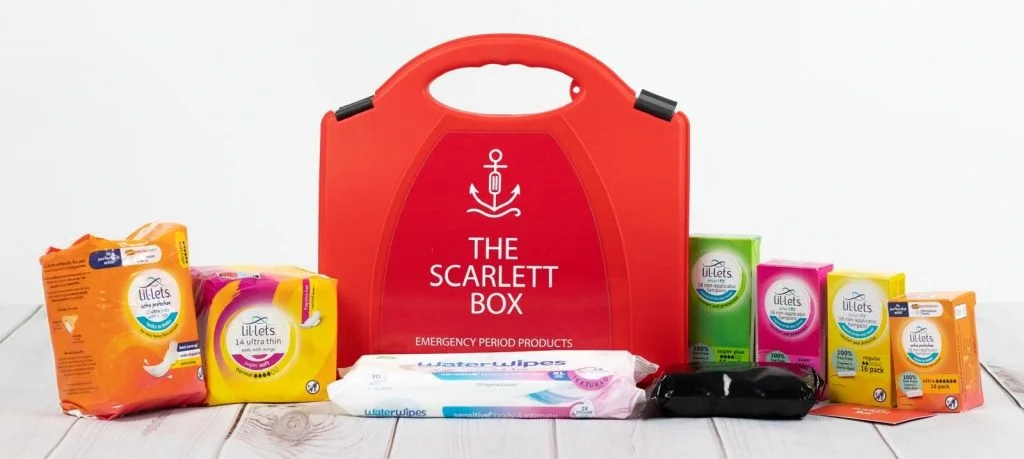
For deck officer Scarlett Barnett-Smith, access to emergency period products is a practical gap in life aboard ship. She says she repeatedly found that vessels she worked on did not have them available. Her response is The Scarlett Box, a supply solution she founded and launched late last year for maritime workplaces.
The issue can arise while a seafarer is working on deck, handling cargo or in an engine room. Those duties may keep crew members away from personal supplies and make it difficult to step away when an unexpected need arises. Barnett-Smith says she has needed products while driving a ship, loading cargo and working below deck. In those situations, a basic workplace provision can matter to someone’s ability to carry on with a demanding shift.
“We train for every emergency at sea, but this isn’t an emergency accounted for.”
Barnett-Smith developed the idea while working at sea after progressing from a cadetship into a deck officer role. Her account points to a routine planning gap: ships prepare crews for many operational contingencies, while emergency period products may not be stocked as a normal workplace supply. The Scarlett Box is intended to make those products available on board, where a seafarer may not have an easy way to get them during duty.
That availability also sends a signal about who the workplace is designed to support. Barnett-Smith argues that stocking period products alongside personal protective equipment makes women’s needs visible in everyday operations. She sees that recognition as one practical step toward making maritime work more comfortable and helping companies attract and retain women.
“If The Scarlett Box is in the workplace, it represents change. This change is intended to make more women comfortable in their working environment, which would help with retention and attraction.”
The concern extends beyond the product itself. Barnett-Smith describes working in a heavily male environment as potentially isolating, particularly when there is no female colleague available to raise an issue that affects women. Without that voice, she says, the need can be easy for male counterparts to miss. A visible, stocked provision offers a concrete response without requiring each seafarer to explain or justify why it is needed.
Her point is grounded in the demands of shipboard work. A seafarer may be responsible for a vessel or cargo while managing an unexpected personal need, with limited flexibility to leave a post. Barnett-Smith says that pressure should not become an additional obstacle to carrying out a duty. Making supplies accessible is a straightforward workplace measure; it does not remove the demands of the job, but it can address one avoidable source of stress.
“As a female in the maritime industry, it’s something I’ve always seen as a barrier, and the environment I work in should be as equally designed for me as for my male colleagues.”
The product was launched at London International Shipping Week. Barnett-Smith says the response exceeded her expectations, particularly from people discussing what the future of shipping might look like. For her, a more diverse workforce is part of that future, and changes to working conditions are one way the industry can make it more attainable.
“I’m sure this isn’t going to make the whole industry change, but it is a start.”
The broader maritime history offers a reminder that women have been connected to seafaring for generations, even when their presence was constrained or overlooked. The source cites accounts of women disguising themselves as men to sail on Royal Navy ships in the 19th century, female pirates leading crews, and captains’ wives taking charge when their husbands were ill. The history does not make current workplace barriers disappear. It does underline how long women’s roles and needs have been part of maritime life.
“A simple solution like The Scarlett Box in the workplace says we’re here, we’re accounted for, and we’re cared for.”
Barnett-Smith also points to the embarrassment some women may feel discussing menstruation at work. She is making an effort to learn more about the psychological factors behind that discomfort, while recognizing that the subject can still be difficult to raise in a workplace without a female voice. A stocked box makes the provision tangible and can help normalize the topic as part of preparing a workplace for its crew.
She expects the shipping industry to change over the next five to ten years, with more women and more diverse crews. In her view, improving how menstruation is accepted and accommodated is one part of that shift. The operational takeaway is simple: supplies that are routine in other workplaces can be absent at sea, where duty locations and schedules can make an unexpected need harder to manage. The Scarlett Box puts that gap on the agenda for ship operators considering what their crews need on board.
1 Historical reference: Royal Museums Greenwich, “The women who went to sea – dressed as men.”
The post The Scarlett Box appeared first on Viking Crew.
===END===

