Wednesday, January 21, 2026 · Ocean Shipping & Ports
Cruise Crew Shortage Puts Focus on Training, Retention and Life at Sea
Noted by Alexandra Cayzer · 578 reads
Cruise operators face a projected crew gap by 2030 as demand grows, prompting calls to widen maritime career pathways and improve life on board.
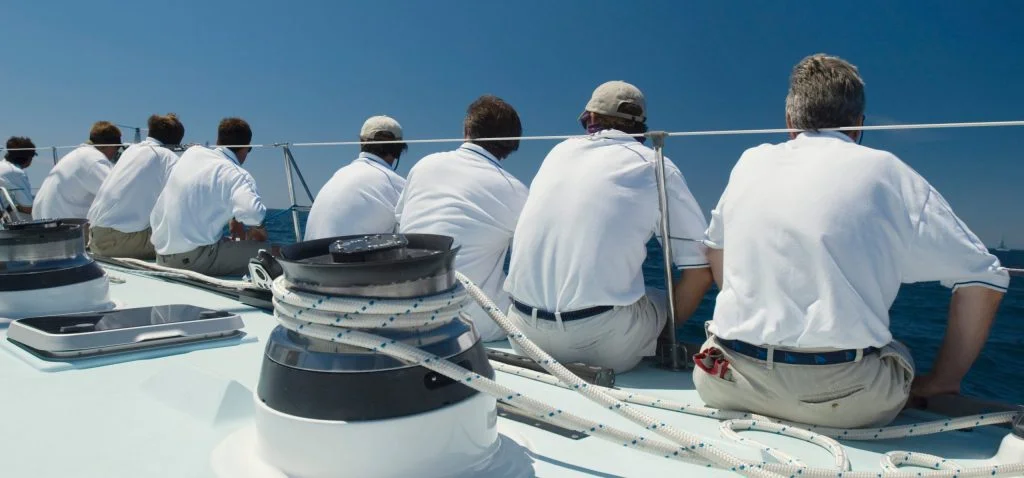
The cruise industry’s staffing challenge is becoming a pipeline problem: demand for voyages is strong, new vessels are joining fleets, and the supply of qualified crew is struggling to keep pace. A study by Cruise Lines International Association (CLIA) reports that intent to cruise stands at 82%. Meanwhile, a global crew shortage is predicted by 2030. That outlook puts pressure on crewing agents and ship operators to attract new entrants while retaining experienced people across deck, engineering and hospitality roles.
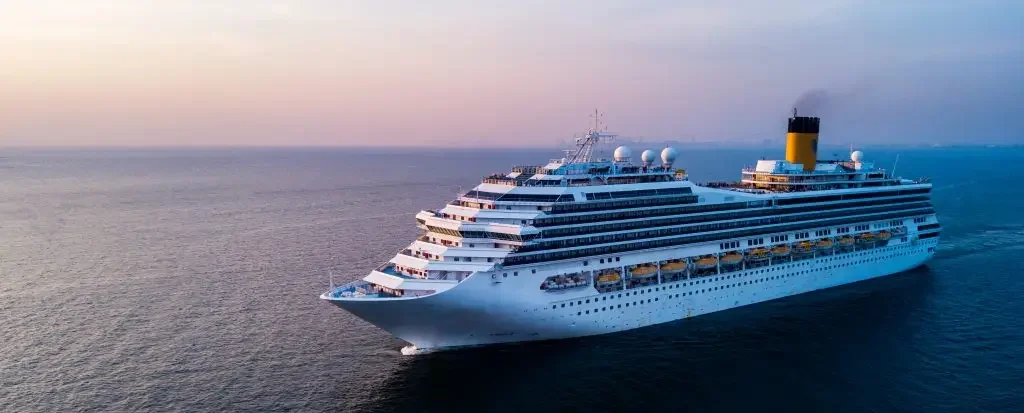
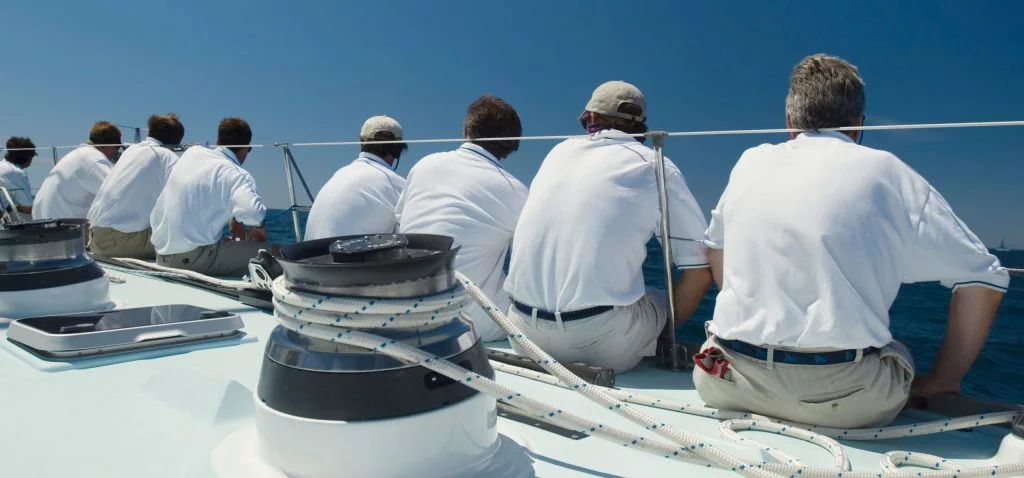
The issue reaches beyond cruise ships. Yachting employers are also competing for people with the skills and interest to work at sea. Replacing retiring crew is part of the challenge, but the longer-term task is making maritime careers visible and attainable to people choosing their first profession.
A career path that many students don’t see
Only 20% of students surveyed by the UK Department of Transport said they would consider a career in the maritime sector. That finding points to an awareness gap as well as a recruitment challenge: many young people may be making career decisions without a clear picture of the roles, training routes or daily work available at sea.
Careers teens often aspire to include medicine, law, professional football and the arts. Those paths have little in common with life aboard a vessel, while paid content creation and influencing can appear to offer more control over hours and location. Competition for attention matters, but it is only one factor in the shortage.
The same survey found that 38% of students named enjoyment of a subject or career as their most important consideration. Just 2% selected opportunities to work abroad or travel. The figures suggest that promoting a seafaring career solely as a chance to see the world may miss what many students value most. The work itself, its training and the experience of being part of a crew need to be part of the explanation.
Shipboard roles can bring practical problem-solving, teamwork across different backgrounds and a clear connection between daily work and vessel operations. For a prospective cadet, training at sea can be presented as the start of a skilled career, with routes into deck, engineering or other shipboard work. That framing gives students a more concrete reason to explore the profession than travel alone.
Working conditions shape recruitment and retention
Long contracts can be a barrier for people weighing maritime work against shoreside jobs. The source describes schedules that may involve working seven days a week for as long as six months or more. For workers who place a high value on time off, health and routine, that arrangement can be difficult to reconcile with life on land.

Cruise operators are responding with onboard wellness measures, including gym facilities, mental-health support, scheduled relaxation and wellness workshops. These measures can improve the experience of working at sea, but recruitment messaging also needs to describe the working pattern clearly. Prospective crew need to understand the demands of a contract alongside the support available during it.
Retention is closely tied to the same issue. The industry competes for qualified engineers who may also be able to find well-paid work ashore. Keeping trained crew therefore involves more than filling vacancies: employers need to consider how working conditions, support and opportunities to progress affect whether skilled people stay at sea.
Building a larger talent pipeline
An estimated 200,000 seafarers work aboard cruise ships, according to the International Transport Workers’ Federation. That workforce supports current operations, but it does not remove the need to prepare successors as experienced crew retire and fleets expand. Recruitment agencies can connect candidates with vacancies, yet a durable pipeline depends on activity by schools, families, training providers and working seafarers as well.
Introducing maritime subjects in schools can help students encounter the sector before they settle on a career direction. Parents can encourage them to consider a wider range of occupations, while crew members can share practical accounts of their work and mentor people exploring the profession. These steps can help turn a career that may seem distant into one with identifiable roles and ways to get started.
Viking Maritime Group says it gives talks at local and national schools and colleges, and encourages Travel and Tourism students to take Personal Survival Techniques training. The group describes these activities as a way to introduce students to maritime work and training they might not otherwise encounter. Its work illustrates how outreach can link classroom interest with a practical first experience.
For operators and recruiters, the broader takeaway is that attracting crew means making the route into the job legible and showing what the work involves day to day. A prospective captain on a luxury superyacht and an aspiring cruise ship engineer need different training and career information, but both need a clear entry point. Viking Crew offers career information and guidance for those considering these paths.
The source article first appeared at Viking Crew, part of Viking Crew. With demand for cruising growing, the practical test for the sector is whether outreach, training and onboard support can bring enough new people into maritime roles—and give them reasons to build lasting careers at sea.


