Wednesday, October 29, 2025 · Ocean Shipping & Ports
From Sea to Shore: Three Seafarers on Building Maritime Careers Ashore
Noted by Milena De Cicco · 980 reads
After years at sea, three maritime professionals describe the planning, adjustment and practical benefits of moving into shore-based work.
Moving ashore can mean trading a familiar crew, travel and life aboard for a steadier routine and more time at home. For seafarers making that shift, the change also brings practical adjustments: shore-based housing and meals become personal expenses, experience gained at sea needs to make sense to land-based employers, and the first months can feel like an extended break between contracts.
Three Viking Crew employees describe how they made the transition after working on superyachts, cruise ships and ferries. Their routes differed, but each found value in staying connected to the maritime sector.
Lien Eggermont: Turning seagoing experience into a shore-based role
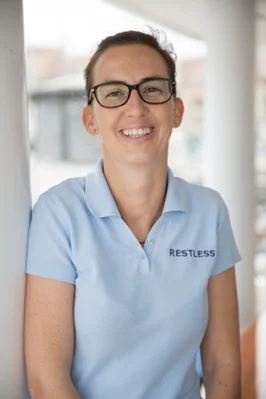
Lien Eggermont, now Assistant Yacht Recruitment Manager, spent seven and a half years working aboard luxury superyachts with her partner. The decision to come ashore followed the sale of the yacht they were working on. After finishing the Mediterranean season, the couple sold the vessel during the Fort Lauderdale Boat Show in 2016. They then travelled around New Zealand and Asia for a few months before settling on their next step.
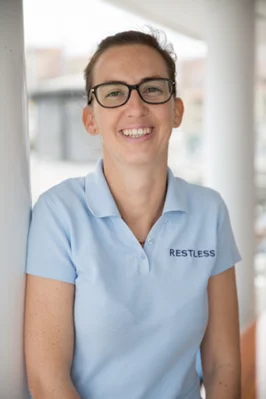
Eggermont expected finding a shore-based job to be difficult, particularly because moving ashore also meant immigrating from Belgium to the UK. Her experience was easier than anticipated: she applied to local companies, attended a couple of interviews and received an offer. The role remained within the maritime industry, and her language skills were relevant to the position.
That experience shaped her advice to people preparing a shore-based CV. A seagoing résumé may describe duties in terms familiar to a vessel’s crew, but employers ashore may need those responsibilities explained differently. Reframing experience in language that connects with the target job can help hiring teams understand what a candidate can bring.
The lifestyle change has involved losses as well as gains. Eggermont misses the sunrises and sunsets underway, and the chance to spend time in picturesque, sunny destinations. She doesn’t miss nights disrupted by rough weather or the feeling of being confined aboard. On land, she can take long walks in the countryside or join sports classes. Her days now follow a more organised routine.
Carlos Perez: A move shaped by family life
Cruise Recruitment Manager Carlos Perez spent 17 years working aboard cruise ships before seeking a shore-based role in the UK. He met his wife while working at sea, and the decision to move ashore reflected a desire to spend more time with and support his family.
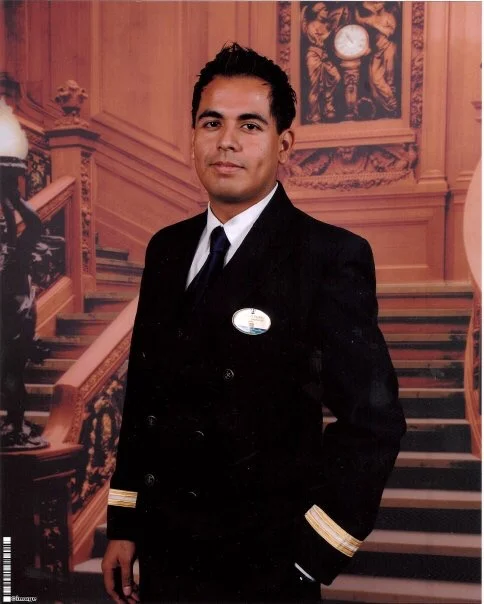
Perez advises seafarers to make a plan before leaving shipboard work, especially if a move to another country is involved. Life aboard includes food, accommodation and a built-in community; ashore, people need to arrange and pay for those essentials themselves. That shift can make the change feel larger than a new job alone.
For Perez, the first year was the hardest. He often felt as if he would soon return to sea, as though shore life were simply an off-period. Over time, that feeling faded and the routine of a land-based career became familiar. Taking a role within the maritime industry helped him adjust, as did working alongside colleagues who understood the experience of seafaring.
He still misses travelling internationally and the close relationships formed with crew, who can become like family. At the same time, being able to spend time with his own family is the clearest benefit of coming ashore. The steadier routine, he says, fits family life better.
Karine Gasperin: Staying in maritime work after 32 years at sea
Karine Gasperin, a Cruise Recruitment Consultant, worked aboard ferries for 32 years. The physical demands of the job led her to look for a role in the same sector with less physical responsibility. She wanted to remain connected to maritime work, so she applied to Viking Crew.
Recruitment gives Gasperin a way to draw on her experience while helping other seafarers find suitable roles. Her background also helps her relate to candidates she interviews and places. For people considering a similar move, she recommends looking for work within the maritime sector, where colleagues may understand the adjustment and share their own experience of coming ashore.
She misses the close-knit crew and the people she saw every day. Still, a more consistent schedule has its appeal: sleeping in the same bed each night, having more predictable weather and working regular shifts. Those everyday changes can add up after a career spent living and working aboard.
Finding the next role
The three accounts point to several practical considerations for seafarers planning a shore-based career: prepare for the costs and routines that come with life on land, explain onboard skills in terms that fit the role, and consider how a maritime employer could make use of existing industry experience. The transition can take time, especially when the first months ashore still feel like time off between voyages.
Viking Crew lists onboard opportunities with cruise lines, superyachts and luxury vessels on its vacancies page. People interested in a shore-based role with the company can visit its careers page.