Monday, September 28, 2026 · Ocean Shipping & Ports
Brazil’s Import Processing Changes Put More Focus on Shipment Data
Noted by Caio Serra · 369 reads
Brazil is replacing its import declaration system, making accurate product and shipment data central to customs processing after arrival.
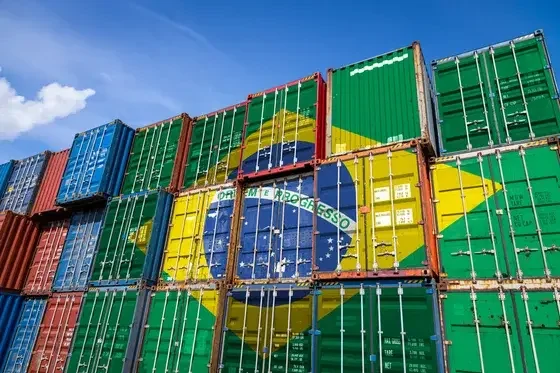
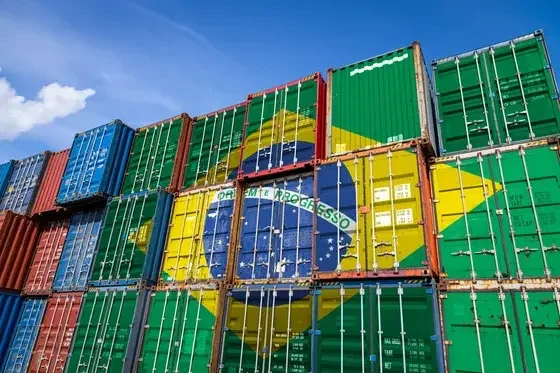
For companies shipping to Brazil, the operational change is taking shape after goods arrive: the country is replacing its import declaration system. That shift puts greater attention on the information used to identify products and process shipments. Exporters and their logistics partners need to understand this part of the workflow alongside the U.S. export steps they already manage before departure.
The change has accelerated since a January 2024 guide to exporting to Brazil was published. That earlier guide covered the Brazilian market, the costs and complexity associated with Custo Brasil, and U.S.-side tasks such as export classification, export licensing and restricted party screening. Those steps remain part of preparing a shipment. The newer issue is how Brazilian customs handles the shipment once it reaches the country.
Import processing is the focus
Brazil is replacing its import declaration architecture, changing the framework used to process incoming goods. The transition has advanced enough to merit separate attention from the broader question of whether a company is ready to enter the Brazilian market. For shippers, the distinction matters: export preparation addresses requirements before goods leave the United States, while import processing determines how information is handled after arrival.
The source material identifies three parts of this shift by name: DUIMP, the Product Catalog and OEA. It does not detail their individual requirements, the goods or ports affected, or specific transition dates. Companies should therefore treat the names as signposts for reviewing the new import process, rather than assume that a single description covers every shipment or that the same operational steps apply across all products.
Product information becomes a practical priority
A redesigned declaration process makes the quality and consistency of shipment information an important area for exporters to examine. Product descriptions and classifications are already part of U.S. export preparation, but Brazilian import processing is a separate stage with its own architecture. Teams responsible for trade data, freight coordination and customs documentation should establish how product details prepared before departure carry through to the information needed at destination.
That review can begin with the records teams already maintain: product descriptions, classification data and shipment documents. They can identify who owns each data field, how updates reach brokers and other logistics providers, and where the information is checked before cargo departs. The source does not prescribe a particular workflow, but clear ownership and consistent records help teams spot gaps while they still have time to resolve them.
For companies that ship a range of products, the transition also gives them a reason to check whether internal product records are maintained consistently across departments and shipments. A mismatch between the information used for export preparation and the information supplied for import processing can create avoidable work for the teams coordinating the move. The practical task is to understand what destination-side participants need and make sure the responsible people can provide it.
Coordinate the handoff across the shipment
Brazil-bound cargo passes through several connected workstreams: export compliance in the United States, transport, and import processing after arrival. The change described in the source concerns that last stage, but preparation starts earlier. Exporters can use the transition as a prompt to confirm that their internal teams and logistics providers know who supplies product information, who reviews shipment documents, and how questions are escalated when data needs correction.
This is especially useful when more than one team contributes to a shipment file. Sales, compliance, logistics and a customs broker may each hold part of the information. A defined handoff helps prevent details from being lost or altered as records move between parties. It also gives the shipper a clearer way to investigate delays tied to missing or inconsistent data, without assuming that every delay is caused by the declaration system.
What shippers should track
The key next step is to follow how Brazil’s transition changes the information and procedures required for a specific product and shipment. DUIMP, the Product Catalog and OEA are central terms to investigate, but the source provides no deadlines or product-level instructions. Exporters should confirm the current process with their Brazilian import contacts and logistics providers, then update internal shipment preparation as requirements become clear.
The earlier U.S.-side checklist still matters: classification, licensing and restricted party screening remain part of preparing exports. The added work is to connect that preparation to Brazil’s evolving import process. For teams moving goods into the market, accurate product records and a reliable handoff to destination-side partners are the practical foundations for managing the change.


