Thursday, August 27, 2026 · Ocean Shipping & Ports
Euro 7 Vehicle Passport: What Buyers Need to Know From November 2026
Noted by José Miguel Fernández Gómez · 362 reads
A digital record will detail new cars’ environmental data. Euro 7 timing, battery information and used car access depend on vehicle approval dates.
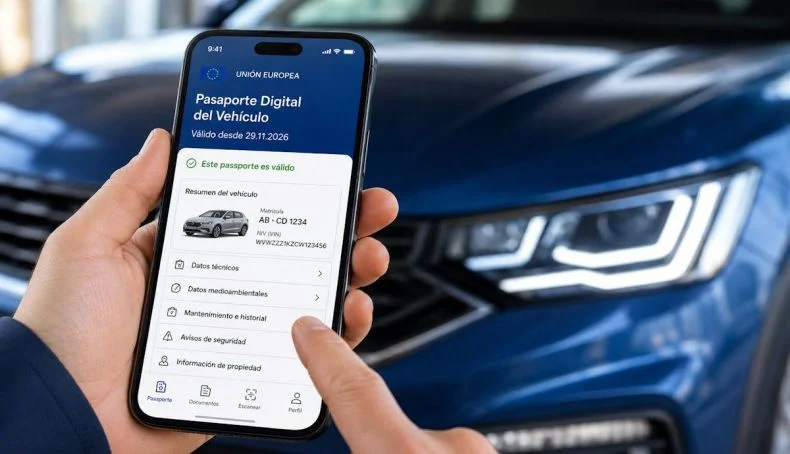
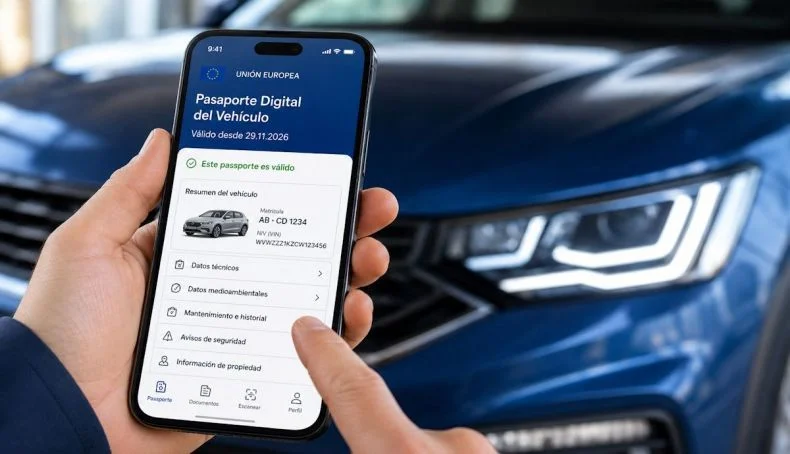
Euro 7 will give buyers a digital record of a vehicle’s environmental characteristics, including its original energy use, emissions and, where relevant, electric range and battery durability. The record starts to appear with newly approved passenger cars from 29 November 2026, but a transition period means buyers may see new cars with and without it until late November 2027.
For used car buyers, the passport’s value will build gradually as Euro 7 vehicles reach the resale market. It preserves information recorded at registration; it does not provide a current assessment of a used vehicle’s condition, and it won’t be issued retroactively to cars already registered.
What the digital passport records
The Vehicle Environmental Passport, or PAV, is a digital record that manufacturers must create for each vehicle covered by Euro 7. It describes environmental characteristics at the time the vehicle is registered. Drivers won’t need to keep a separate paper document in the car.
The information varies by powertrain. A record may include fuel or electricity consumption, CO₂ emissions and other pollutant emissions, electric range, engine or motor output, and the traction battery’s durability. The information is tied to a specific vehicle and accompanies its identification and approval details.
The listed data include the manufacturer, model and vehicle identification number (VIN), production date, approval information, power output, nitrogen oxides, carbon monoxide and particulate emissions, CO₂, fuel consumption and electricity consumption. Battery durability information applies where relevant. The source also lists “electric cooking,” an unclear item in its data list.

Access and timing
The EU specifies a QR code as the route to the digital data. It may be placed on the vehicle or displayed on an in-car screen. Access won’t require a separate app, account or prior registration. Depending on how a manufacturer implements access, a buyer may need the vehicle’s VIN to retrieve its record.
The first date to watch is 29 November 2026. From then, Euro 7 initially applies to the approval of new passenger car types. A car approved before that date may still be sold and registered as new without meeting the new standard.
The broader application to newly registered passenger cars generally begins on 29 November 2027. During the year between those dates, dealerships can offer new cars both with and without the passport. The vehicle’s approval standard determines which applies, so buyers should check the specific car’s approval status rather than assume every new car sold after November 2026 has a passport.
What it means for used cars
Cars already registered won’t receive a Euro 7 passport retroactively. That includes existing Euro 6 combustion cars, hybrids and electric cars. A vehicle first registered in 2023 and sold second-hand in 2027, for example, won’t gain a passport simply because Euro 7 has taken effect. Whether it qualifies depends on whether that vehicle meets the relevant Euro 7 requirements.
As Euro 7 cars change hands, their digital records are meant to remain associated with the vehicle. A later buyer can consult the original data, such as recorded fuel consumption, electric range and environmental values at registration. Manufacturers must ensure long-term access to the passport. This gives used car shoppers a consistent reference to the vehicle’s original figures, though those figures describe it when registered.
Battery data and durability
The passport itself isn’t a current battery health report. It mainly captures environmental information at registration, so an electric car’s original range or battery durability entry cannot establish the battery’s present condition years later.
Euro 7 separately requires users to have access to updated information generated by onboard monitoring systems and devices. For electric cars, that includes battery state. The source says the European Automobile Club ADAC also points to current fuel and electricity consumption data and battery information produced by onboard systems. Such standardized data will apply when appropriately equipped Euro 7 vehicles reach the used market; it does not extend back to today’s used cars.
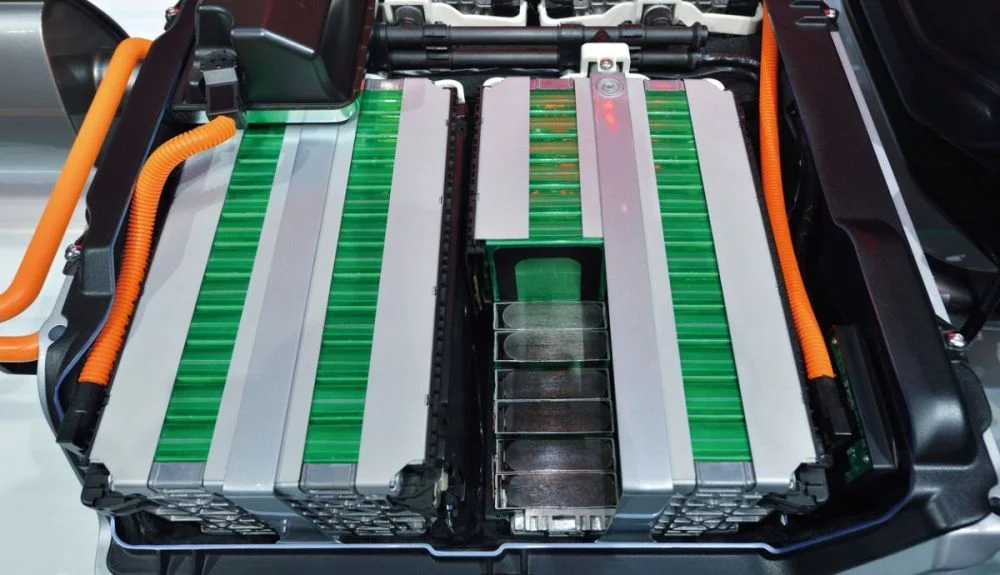
Euro 7 also sets minimum durability requirements for traction batteries in electric and plug-in hybrid cars. For passenger cars, the battery must retain at least 80% of its original storage capacity after five years or 100,000 kilometres. After eight years or 160,000 kilometres, the required minimum is 72%. The threshold reached first determines the applicable point, and the requirements concern vehicles that comply with Euro 7.
These minimums aren’t the same as a manufacturer’s battery warranty. Euro 7 sets capacity levels under prescribed conditions. A warranty is a separate manufacturer commitment, governed by its own terms and potential claims. Buyers should therefore read the warranty conditions as well as the standard’s durability requirements.
Even updated battery data won’t replace an independent check of a used electric car. The passport is an information record, not a full technical inspection, and its original registration values can’t show wear that has accumulated in service.
Cold-weather range and vehicle documents
Euro 7 introduces procedures to determine electric range at low temperatures, alongside the existing range measurement. Temperature and cabin heating affect energy use, so a defined cold-weather test can give buyers another comparable figure for judging electric cars under specified conditions. The testing conditions are set across the EU.
The passport is an additional digital information service. It does not replace either part of the vehicle registration certificate or the vehicle ownership document; those documents retain their existing functions. For buyers, the practical takeaway is to confirm whether a new car is approved under Euro 7, then treat its passport as a reference to original data. Used car shoppers will see those records only as qualifying vehicles enter resale, and should seek current battery information separately.


