Monday, October 19, 2026 · Trucking & Freight
ArcelorMittal Bremen Automates 70% of Spot Transport Procurement
Noted by Henrieke Wagenvoort · 369 reads
A Bremen trial procured 70% of spot-market loads automatically and delivered 4% to 6% cost savings across 1,600-plus orders.
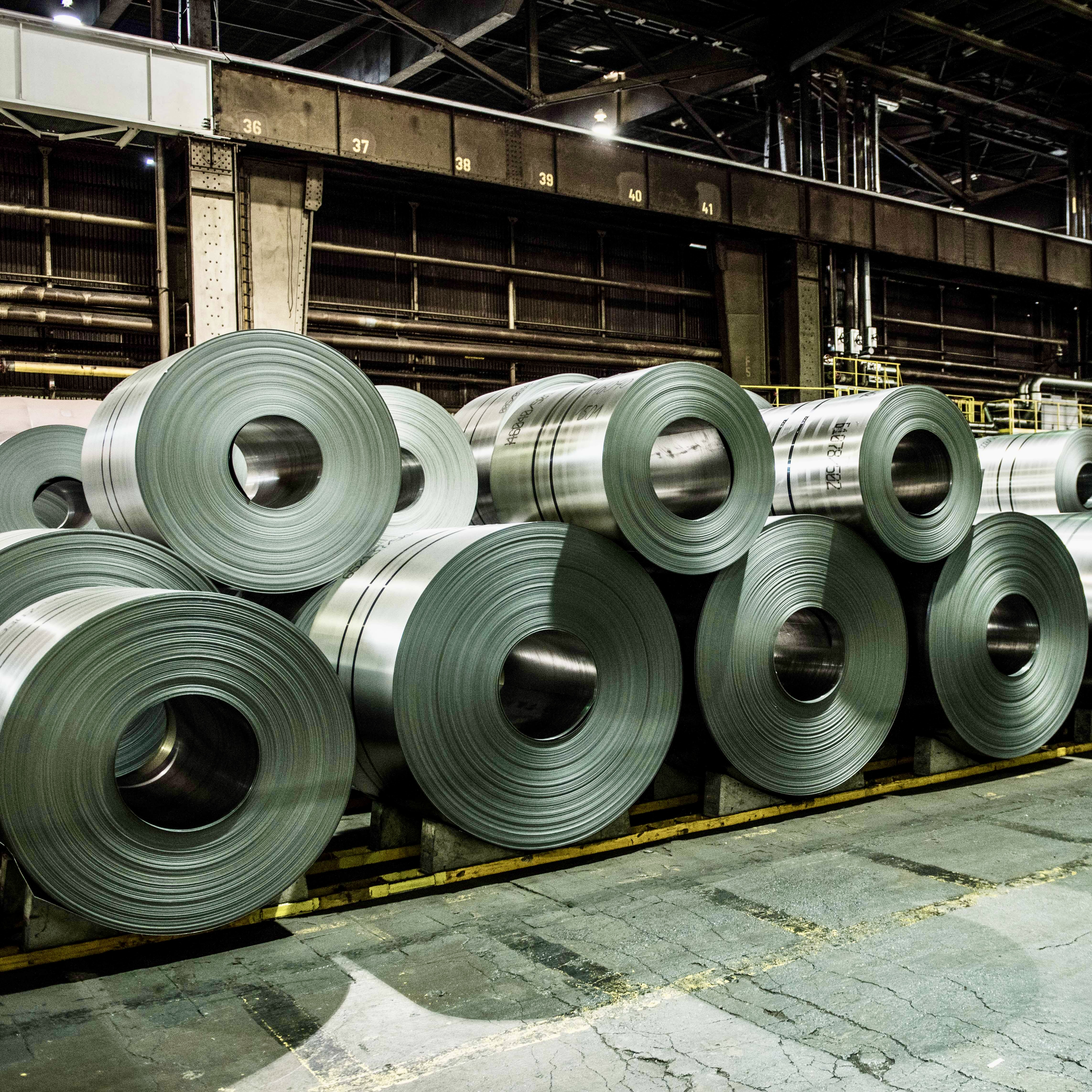
ArcelorMittal’s Bremen steelworks used autonomous procurement to secure 70% of its spot-market transport orders without human intervention, achieving cost savings of 4% to 6% during the trial. The results offer a practical case for applying automated bidding where shipment volumes are high, rates move quickly and planners spend substantial time finding trucks.
The proof of concept covered more than 1,600 transport orders and over 31,000 tonnes of sheet steel. It took an average of 2.5 hours to find a carrier match. For the other 30% of journeys, ArcelorMittal had to consider bids above the tool’s set maximum price.
Automating the spot-market search
ArcelorMittal already uses Transporeon’s transport platform to allocate orders to contracted carriers and to source capacity on the spot market. The autonomous procurement tool adds a bidding process based on market information gathered through the platform. Transport & logistics performance manager Roman Ruff described the change as a next step: the aim was to procure more quickly while also making sound purchasing decisions.
For an order, the shipper sets a starting price and a ceiling. Ruff gave an example of a €500 starting price and a €900 maximum. If no participating haulier accepts the initial amount, the tool raises the price in another round. Carriers can also submit their own bids. When a bid matches the procurement terms, the carrier must accept the job.
The process stops if the maximum price is reached without an accepted offer. ArcelorMittal can then review bids above that ceiling and has two hours to decide whether to accept one. That gives the shipper a defined point for human review when automated bidding does not secure capacity within its preset limit.
Bremen provided a focused trial
The Bremen works produces 3.2 million tonnes of sheet steel annually. More than a third moves by road to customers, requiring about 1,100 truckloads each week from a pool of 100 hauliers. ArcelorMittal began with five routes, then added five more. The routes served different countries, giving the team a way to see how the system performed across a varied group of transport flows.
For each route, planners could set whether the procurement process should favor speed, the lowest price or a balance between the two. That choice matters because a single bidding approach may not suit every load: a shipper may value a lower rate on one route while placing more weight on securing capacity promptly on another. The source account does not provide route-level results, so it is not possible to compare which setting performed best.
Haulier onboarding required particular attention. Steel coils need carriers equipped and prepared to handle them, and Ruff said that pool is relatively small. ArcelorMittal and Transporeon informed and trained participating carriers to use the tool. Ruff recommended starting with around five hauliers and bringing others into the process later, allowing the initial group to gain experience before participation expands.
Scale and operating context
The trial sits within a much larger transport operation. ArcelorMittal produces 65 million tonnes of steel a year, including 29 million tonnes in Europe. Its products include rails, beams, wire rod and sheet steel, which can be galvanized or plastic-coated depending on customer requirements. The company has eight sheet-steel plants across Belgium, France, Spain, Poland and Germany.
About half of its steel moves by truck, amounting to approximately 10 million tonnes and 10,000 truckloads per week. ArcelorMittal works with around 500 hauliers across that traffic. Ruff said that arranging enough trucks requires substantial planner effort, while rate changes during the day can make a price available in the evening different from one quoted in the morning. Even a competitive offer does not guarantee that a carrier will take the load when capacity is tight.
Those conditions help explain the trial’s focus on spot procurement. An automated sequence can run repeated price rounds against the shipper’s chosen limits, while human attention can be reserved for orders that draw bids above the ceiling or fail to find a match. The Bremen results show the share of orders handled without intervention and the reported savings, though they do not break out savings by route, shipment type or bidding preference.
Next routes and wider deployment
ArcelorMittal plans to add 20 routes in Bremen. Ruff said that would bring about three-quarters of the plant’s spot-market volume within the tool’s coverage. The company also intends to add hauliers and extend the system to other steelworks, where Ruff said teams face challenges similar to those in Bremen.
For shippers considering a comparable trial, Ruff’s recommendations center on route selection, carrier communication and measurement. Start with a limited number of routes that have enough volume and a sufficient carrier pool. Tell hauliers what is being tested, when the process will begin and how they can bid on orders. Then set key performance indicators and track whether the expected savings materialize.
The next useful evidence will come from the expanded route set and other plant deployments. For transport teams, the key measures to watch are how often the system secures a load within its price limit, how many orders still need manual review and whether the savings hold as more routes and hauliers join.
Source platform: Transporeon. Original report: Supply Chain Movement.