Monday, August 24, 2026 · Warehousing & Fulfillment
Warehouse Automation: Mobile Robot Fleets Offer Flexible Capacity
Noted by David Priestman · 537 reads
Mobile robot fleets can scale warehouse sorting capacity with demand, while limiting idle equipment and containing the impact of a failure.
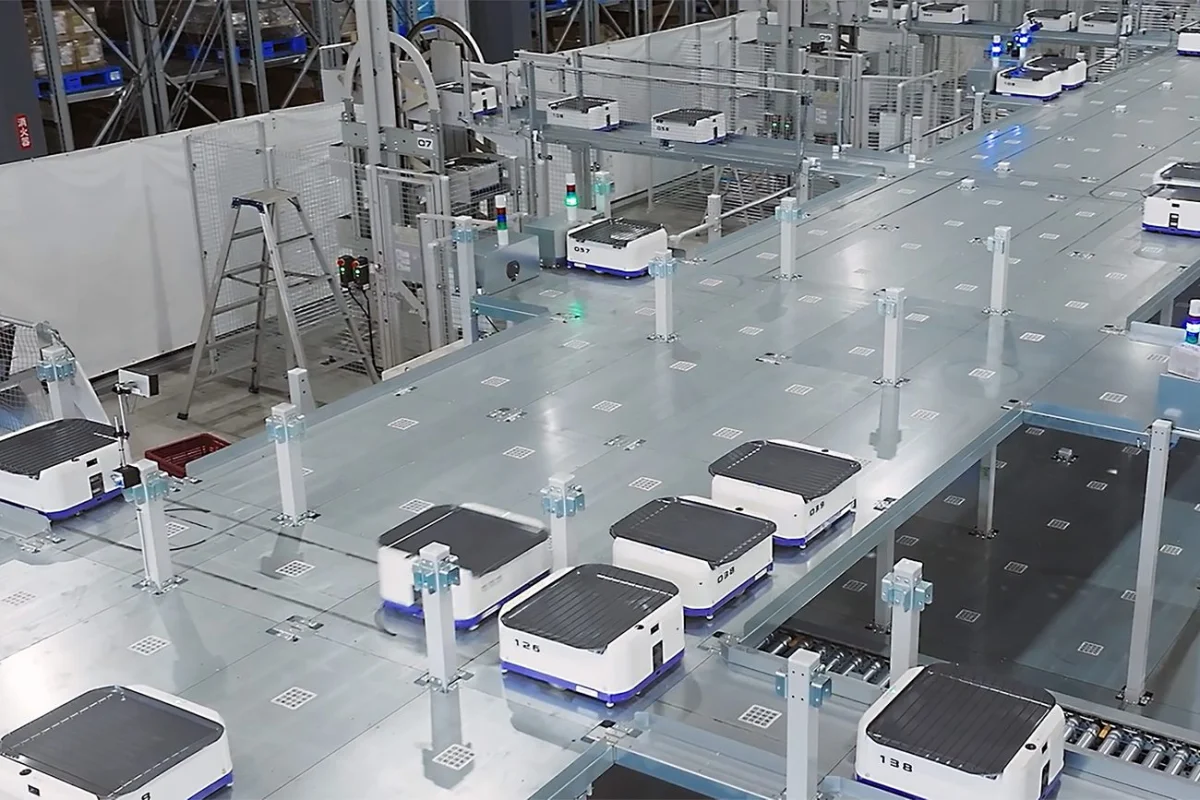
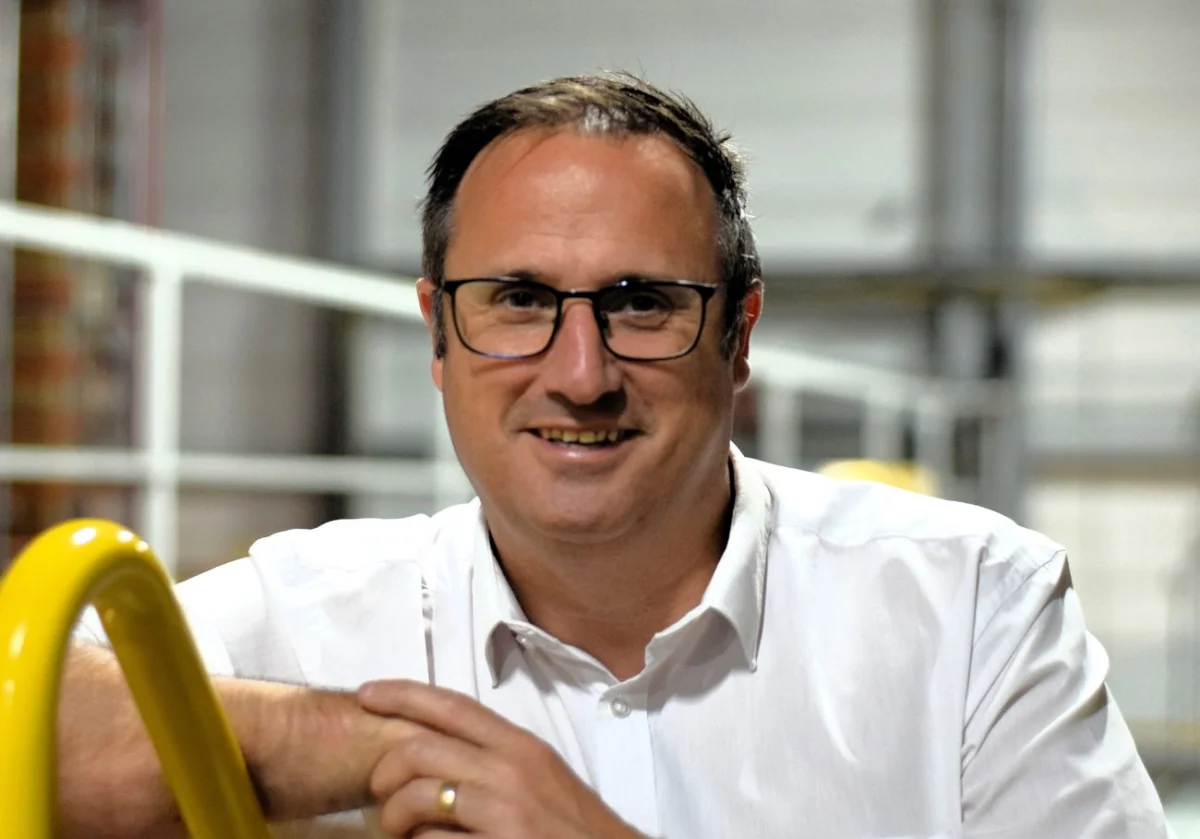
Warehouse automation has a practical test: can it handle demand swings without locking operators into fixed capacity or stopping the whole process when one component fails? Humanoid robots attract attention, but Russell Hutchinson, business development manager at Daifuku, argues that mobile robot systems may address these operating pressures sooner.
The caution comes with history. In 1985, General Motors chairman and CEO Roger Smith championed automation after seeing a robot pick up an egg. From 1985 to 1991, however, research cited in the source indicates that GM’s productivity continued to trail Toyota’s as the company introduced extensive factory robotics. Reports described robots welding doors shut and applying the wrong paint colour at new “lights out” sites. GM reportedly spent $90 billion on automation before ending the effort in 1995.
Flexibility is the warehouse constraint
Warehouses now contend with more orders, more complex profiles, larger SKU counts and shorter dispatch windows. Demand can also shift sharply with little notice. That volatility is especially visible in shared facilities serving multiple vendors, including 3PL and multi-tenant operations, where a manageable workload can quickly turn into an urgent surge.
People remain highly adaptable when priorities and workflows change, but labour capacity is difficult to scale at short notice and output can vary by operator. Conveyors offer more predictable throughput, yet their fixed flow is less responsive when volumes rise or fall suddenly. Humanoid robots may eventually fill particular roles, but they remain expensive and largely unproven in most warehouse settings.
Hutchinson’s point is that novelty alone doesn’t establish readiness. Fulfilment teams need operational elasticity: the ability to add or reduce capacity as demand changes, while keeping the operation running if one part of the system is unavailable. That calls for practical, proven automation alongside room to adapt.
Mobile robots adjust to workload
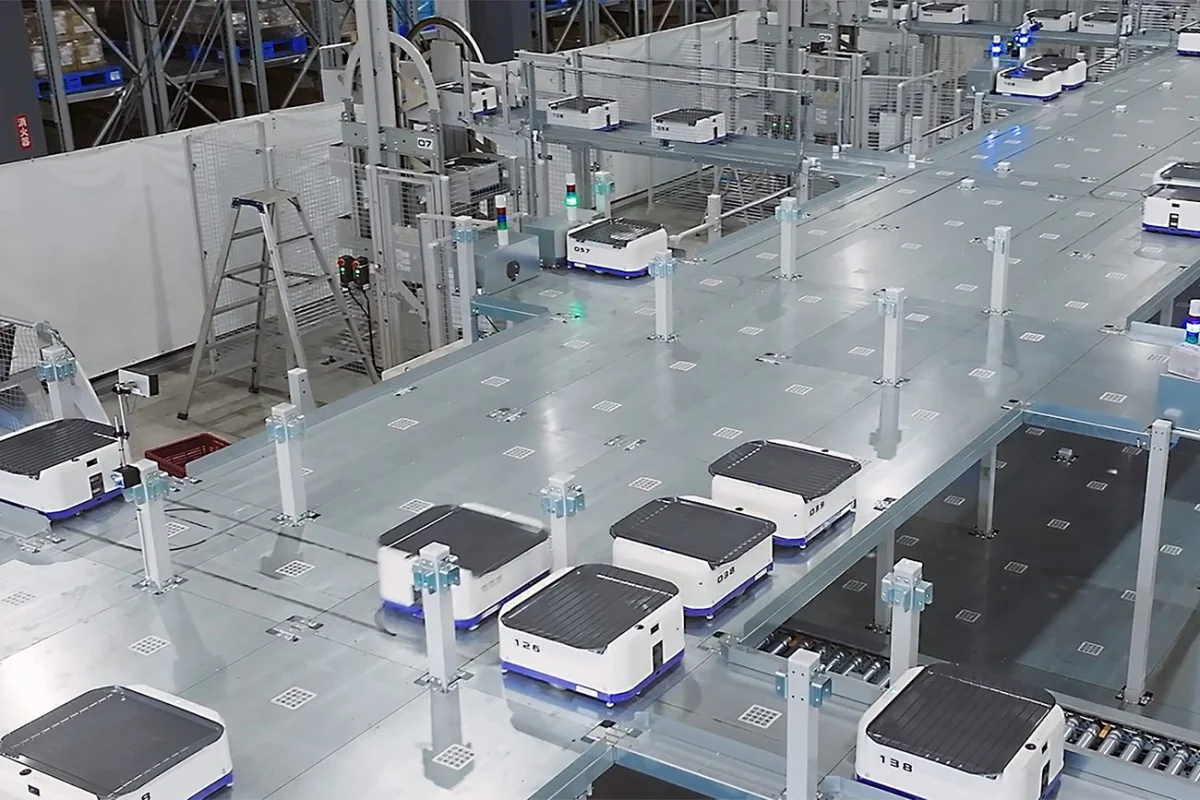
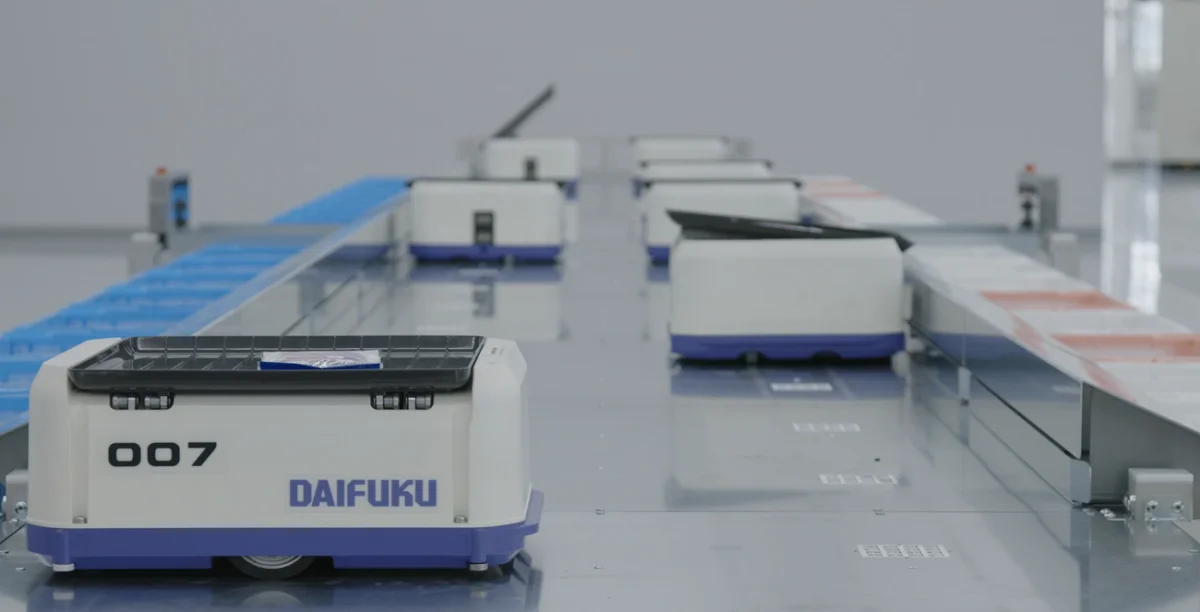
Daifuku’s SOTR-S is designed for piece-level fulfilment, where batch picking groups the same SKUs for several orders into a single picking pass. The items then need to be sorted and consolidated. In the SOTR-S process, operators place picked items onto mobile robots, which transport them to assigned destinations.
Each robot stops while an item is placed on it. That differs from a conventional sorter, where operators must place items onto a moving target. The stationary placement point makes the task more controlled and consistent, according to the source.
A warehouse control system assigns destinations through an RTC, or robot traffic controller. The robots move independently, while the controller coordinates tasks and routes across the fleet. This setup lets the system adjust activity to the work currently arriving at each stage.
Capacity follows actual throughput
Fixed conveyors and sorters must be installed to handle peak volumes, even when flow is light. Well-designed conveyor zones can shut down one by one to reduce unnecessary movement and power use, but some energy consumption and mechanical wear persist when throughput is low.
With the SOTR-S, only the robots needed for the current workload need to move. During quieter periods, fleet activity can fall with throughput; after seasonal peaks such as Black Friday and the holiday period, part of the fleet can be taken offline for an extended stretch. In Hutchinson’s account, that links energy use and equipment activity more closely to the volume being processed, rather than to the system’s maximum capacity.
This operating model is relevant to fulfilment sites where order volumes vary significantly over time. A fleet that can be reduced during quiet periods may avoid running equipment that isn’t contributing to throughput, while keeping capacity available to respond when work increases.
Failures stay local to one robot
Distributed movement also changes how interruptions affect the operation. In a conventional sorter, a failure can halt the broader flow. In the SOTR-S, loads travel across multiple robots and routes. If one vehicle stops, the load on that robot is affected while the rest of the fleet continues operating.
The same arrangement applies to planned maintenance. Individual robots can be removed from service for work without requiring the entire system to stop. That can help maintain uptime and make equipment use more predictable, because a single vehicle’s failure or service need doesn’t automatically take down the whole process.
Humanoid robotics may find a place in warehouse fulfilment over the coming years, but Hutchinson expects the path to include deployments that are later withdrawn. For operators assessing automation now, the nearer-term question is whether a system can vary capacity with demand, use equipment only when needed and keep work moving when one unit is unavailable. Mobile, task-based fleets are one model built around those needs.

More broadly, the source’s comparison is between excitement over new machines and the operational results warehouses need. The GM example shows why automation has to prove its value in the process it is meant to improve. For fulfilment teams facing volatile orders, flexible capacity and localized failure impacts provide concrete measures for judging the next system.
Daifuku’s site: Daifuku. Background on conveying systems.


