Tuesday, October 21, 2025 · Ocean Shipping & Ports
Warehouse Automation Pairs AI Forecasting With Worker Support
Noted by Martijn Graat · 841 reads
A Zebra study of more than 1,700 logistics professionals points to AI forecasting, robotics and worker acceptance as key parts of warehouse change.
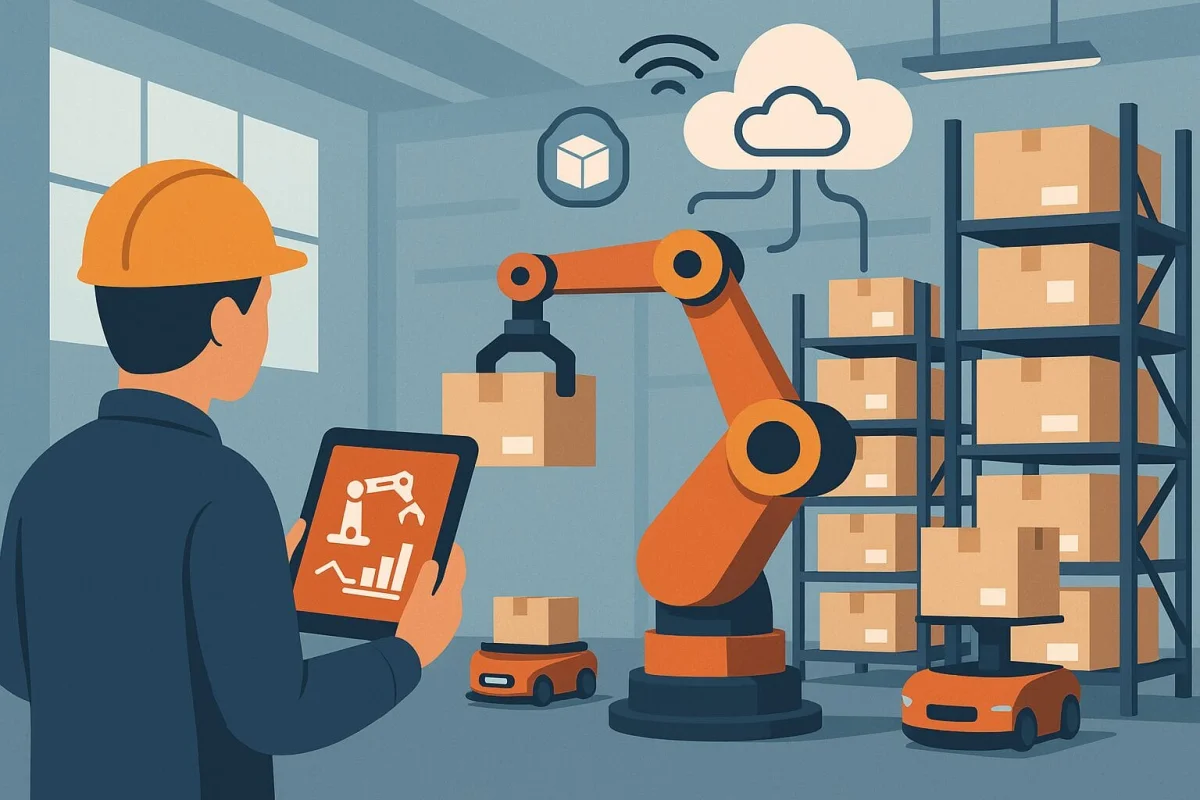
Warehouse automation is becoming a way to adjust operations as conditions change, while easing repetitive physical work for employees. Findings from Zebra Technologies’ global Vision Study, based on input from more than 1,700 logistics professionals, point to a shift from planning around past patterns toward using current data and more flexible tools.
The shift is the focus of episode 61 of the Does Logistics Matter? podcast. René Schrama, chief commercial officer at Peak Technologies, and Phil Sambrook, EMA Transport and Logistics Vertical Lead at Zebra Technologies, discuss warehouse automation, artificial intelligence and changes in the workforce. Zebra’s Vision Study provides the research backdrop for the conversation.
Planning with changing conditions
Historical data has long helped warehouse teams make decisions about space, staffing and stock. That approach assumes past operating patterns will offer a useful guide to what comes next. The source article argues that this assumption is becoming harder to rely on as factors such as weather and pandemics complicate planning.
AI forecasting offers another way to shape those decisions. By analysing current information alongside external variables, these systems can help teams respond as conditions shift. For example, the source describes AI recommending storage arrangements ahead of a seasonal demand increase, or suggesting where a new product line could be placed to support throughput.
Those examples point to a practical role for forecasting tools: helping warehouse managers evaluate operational choices with more timely information. A layout that suits one product mix or level of activity may be less effective when demand changes. Recommendations can give teams a basis for adjusting storage plans, though the article does not specify the data inputs, software methods or performance measures used in the examples.
That distinction matters when assessing what AI can contribute. Forecasting tools can inform a decision, but warehouse teams still need to determine whether a suggested layout fits their facility, stock and workflows. The useful question is how well the recommendation supports the operation’s actual needs, rather than whether a system uses AI.
Automation and the warehouse workforce
Labour shortages and an ageing workforce are also shaping the case for automation. The article describes robotic picking systems and AI-driven slotting tools as ways to improve efficiency and reduce physical strain. Its central point is that automation can support employees by taking on repetitive or demanding tasks, while experienced workers focus on work that benefits from their knowledge.
This approach, described in the source as “age-friendly automation,” puts the working relationship between people and technology at the centre of adoption. Introducing equipment or software changes how tasks are carried out. If warehouse workers do not accept the new tools, the operation may not achieve the efficiency improvements it expects. Adoption, then, depends on more than installing technology: employees need to be able to work with it as part of daily operations.
The source gives no details on training plans, implementation timelines or particular picking systems. Those are the kinds of operational questions teams will need to answer when considering a change. Managers can assess which repetitive or physically demanding processes are suitable for automation, how the new system affects existing roles, and whether workers can use it effectively in the warehouse’s day-to-day conditions.
Adoption varies by region
Acceptance of automation is growing, but the source describes different stages of adoption across regions. It says robotics use is already higher in parts of Asia, while companies and workers in Europe and the United States are catching up quickly out of necessity. It does not provide regional adoption rates or name specific countries, so the comparison is directional rather than a quantified measure.
For logistics operators, the broader implication is that technology decisions are increasingly tied to operational adaptability. Warehouses once focused heavily on stable storage; the source describes today’s priorities as speed, intelligence and the ability to adjust. Robotics, AI and real-time visibility are changing how teams manage work and judge warehouse performance.
That does not make every new system a fit for every facility. The source’s examples suggest that the value depends on how a tool addresses a specific task, such as changing storage arrangements or reducing physical demands. Teams weighing automation can use that operational lens to connect technology choices with throughput, changing product needs and the employee experience.
Schrama and Sambrook discuss these issues in episode 61, titled “Automation in the Warehouse: AI, Robotics, and the Changing Workforce.” The conversation offers logistics professionals a closer look at how forecasting and robotics may shape warehouse work, and why employee acceptance belongs in the implementation plan from the start.


