Thursday, October 15, 2026 · Ocean Shipping & Ports
Northbound Uses AI Agents to Prepare Customs Declarations Earlier
Noted by Henrieke Wagenvoort · 688 reads
Northbound says its AI agents cut declaration work by up to 80% and help importers catch document errors weeks before containers arrive.
Northbound is shifting its focus from spotting container delay risks to preparing customs declarations, where its AI agents can review paperwork before freight reaches port. The German start-up says the tool can reduce time spent on each declaration by up to 80% and flag document inconsistencies early enough for shippers to seek corrections.
That change addresses a point of friction in import and export operations: customs teams must match information across documents, determine which requirements apply and prepare declarations under time pressure. Northbound co-founder Andreas Canel says companies face growing complexity and a shortage of customs specialists. He cites an estimated 1.2 billion declarations filed worldwide each year.
From container alerts to declaration work
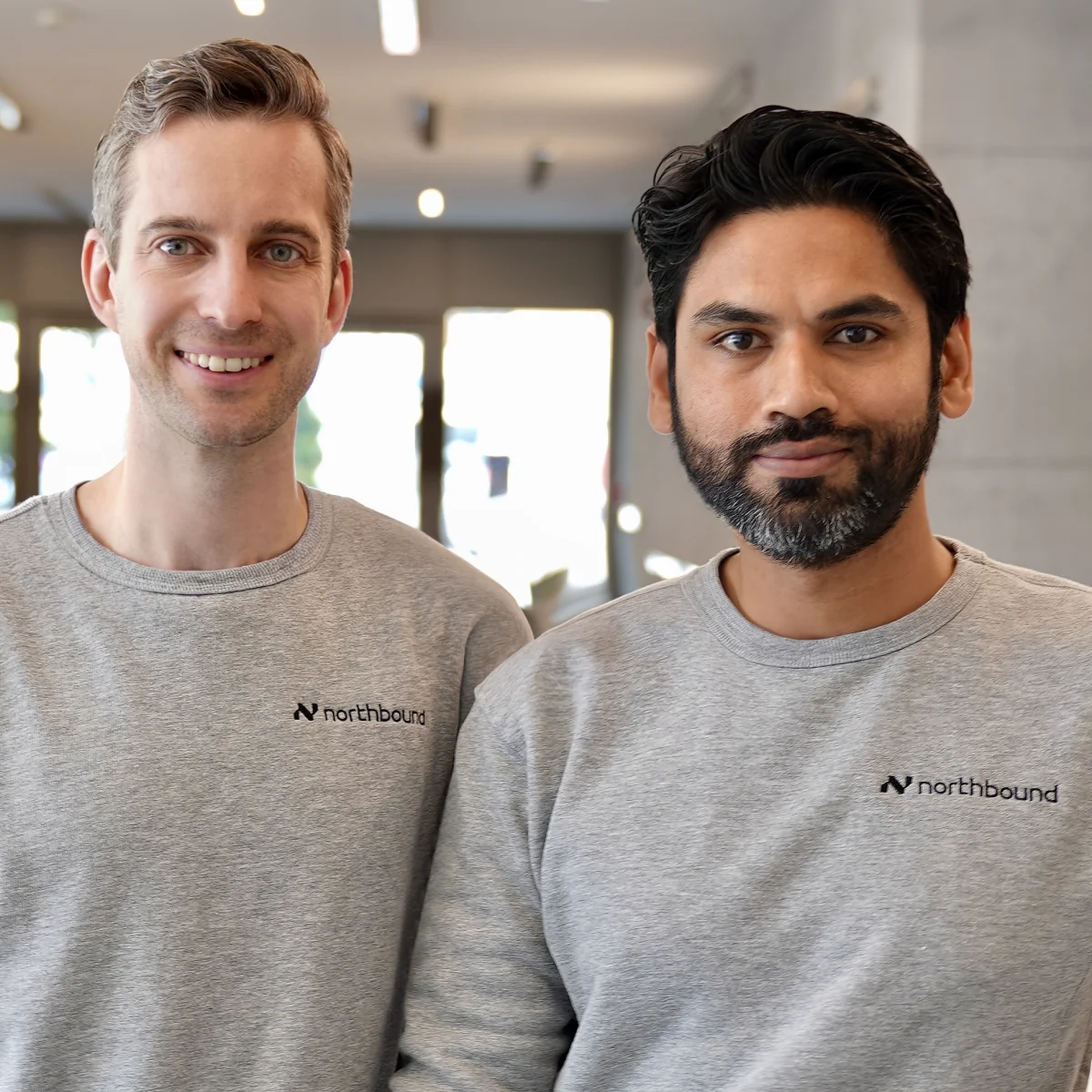
Canel and co-founder Rahul Yadav started Northbound in 2023 with a tool for demurrage and detention. It monitored container flows, calculated related costs and alerted users when a container risked staying too long in port or being returned late to a shipping line. The product is in use at several companies in Germany, Canel says.
While building that service, the founders saw that customs clearance could contribute to the delays their tool identified. The original product could warn a team that a container was at risk, but it could not resolve the paperwork issues behind a hold. Northbound then turned its attention to using AI agents to handle more of the declaration preparation.
The company has committed to that customs application since last year. Its system reviews documents such as invoices, certificates of origin, bills of lading and packing lists, then assesses the requirements that apply. Northbound says the agents can process this material faster than a person and identify inconsistencies by checking information across documents and external sources.
Earlier checks give teams time to correct paperwork
Manufacturing company Fischer is among the start-up’s more than ten clients, and uses the tool for imports and exports of fasteners. Canel says Fischer’s customs team previously often began preparing declarations shortly before a container arrived at port, when workload was already high. With Northbound, the team can review documents while a container is travelling from China to Europe.
That earlier review has a practical payoff: Fischer can discover errors two or three weeks before arrival, according to Canel. The additional lead time can allow the company to ask a supplier for corrected documents before the shipment reaches port. For importers, the key operational change is when the paperwork gets checked, since a problem identified during transit leaves more room to resolve it than one found just before arrival.
Northbound says its agents can also retain a record of how they reached a decision. That creates a trail employees can consult later to understand why a declaration was prepared in a particular way. The system also captures customs knowledge in a shared tool, reducing reliance on one specialist’s individual experience.
People still submit declarations under current rules, Canel says. The software takes on research and administrative preparation, while a person remains responsible for filing. That division means teams can use the system to reduce manual work without removing human review from the process.
Local requirements shape expansion
Northbound’s product is currently geared toward the German customs market. Canel says the core functions could also be applied in places such as China or the United States, but each market requires local knowledge and connections to its national data sources. For customers, that means the system’s usefulness depends partly on how well it reflects the requirements relevant to their own trade lanes.
The company also wants to work with suppliers of Global Trade Management software and digital port platforms. Those connections could place declaration preparation alongside other trade and port processes, although Northbound has not described specific integrations or customer rollouts beyond its current activity.
People remain responsible for approval
Canel expects the division of work to shift as the technology develops. His view is that AI could eventually prepare the full declaration, leaving a person to check and approve it. For now, Northbound’s account of the product is more measured in operational terms: agents handle document review and preparation, while people retain responsibility for submission.
For shippers weighing the tool, the immediate question is whether earlier document checks can fit into existing workflows and give suppliers enough time to correct errors. Northbound’s Fischer example points to a specific benefit: moving review from the days before arrival to the period when a container is still en route. The company’s next challenge is applying that workflow beyond Germany by adding the local customs knowledge each market requires.
Northbound’s company site is getnorthbound.ai. This article was first published by Supply Chain Movement, which covers supply chain operations at supplychainmovement.com.