3PL vs In-House Fulfilment: A Practical Framework for Growing UK Brands
Compare cost, capacity, technology and control to decide whether in-house, outsourced or hybrid fulfilment fits your brand’s next stage of growth.
Latest stories
Compare cost, capacity, technology and control to decide whether in-house, outsourced or hybrid fulfilment fits your brand’s next stage of growth.
Logi-Sys combines customizable workflows with separate freight, CRM, warehousing and transport modules that forwarders can add as needs change.
BoxyAI combines logistics focused assistance, analytics, tracking updates and document capture inside Logi-Sys, aiming to reduce routine work for forwarding tea...
Logi-Sys connects purchase orders with shipment status, approvals and costs, giving forwarders a shared view of fulfillment and exceptions.
A unified freight platform can connect shipment handling, finance, customer visibility and sales workflows for Singapore forwarders.
Freight software can improve tracking and automate routine work, but adoption depends on sound processes, connected systems, accurate data and role-based traini...
ERP gaps can leave UK forwarders reliant on spreadsheets for shipment visibility, job costs and VAT. System fit and freight expertise matter after launch.
Connected freight systems can carry quote data into operations and billing, giving Singapore forwarders clearer job status and financial visibility.
Separate accounting workflows can leave forwarders with missed charges, delayed invoices and limited shipment level profit visibility.
Five platforms cover freight rates, tracking, warehouse operations and finance, with tradeoffs in scope, usability and cost.
Logi-Sys brings shipment data into automated daily reports, helping forwarders keep shippers informed and reduce manual status updates.
Logi-Sys links invoice registration with GST filing, reconciliation and reporting; the source cites a 30-day submission deadline for some businesses from April...
A centralized ERP can connect local accounts, intercompany transactions and currency exposure as freight forwarders expand across borders.
Separate freight tools can leave sales, operations, customs and finance working from different data, slowing decisions and complicating shipment execution.
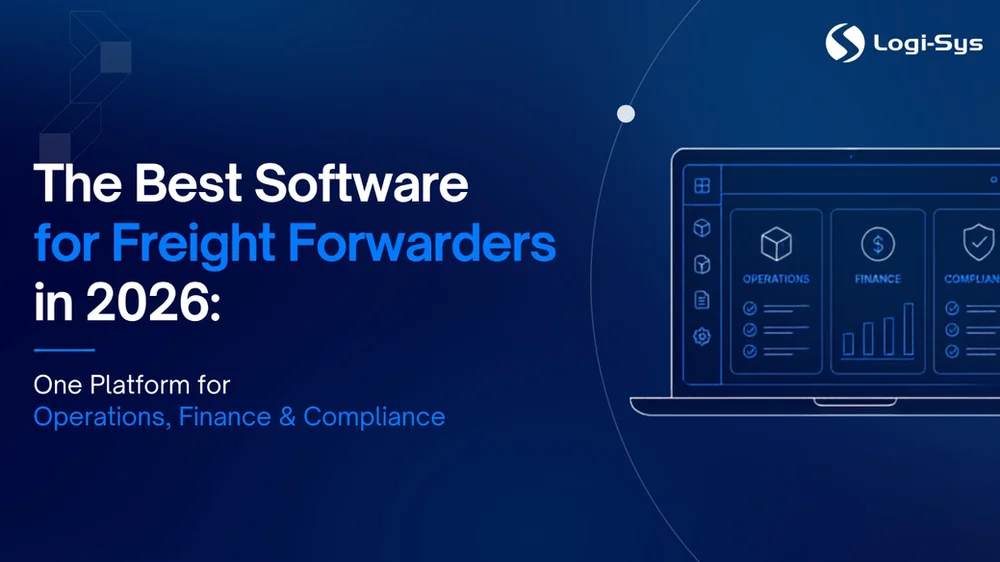
Forwarders weighing new software should assess shipment execution, live job profitability, customer visibility, data controls and scale in one platform.
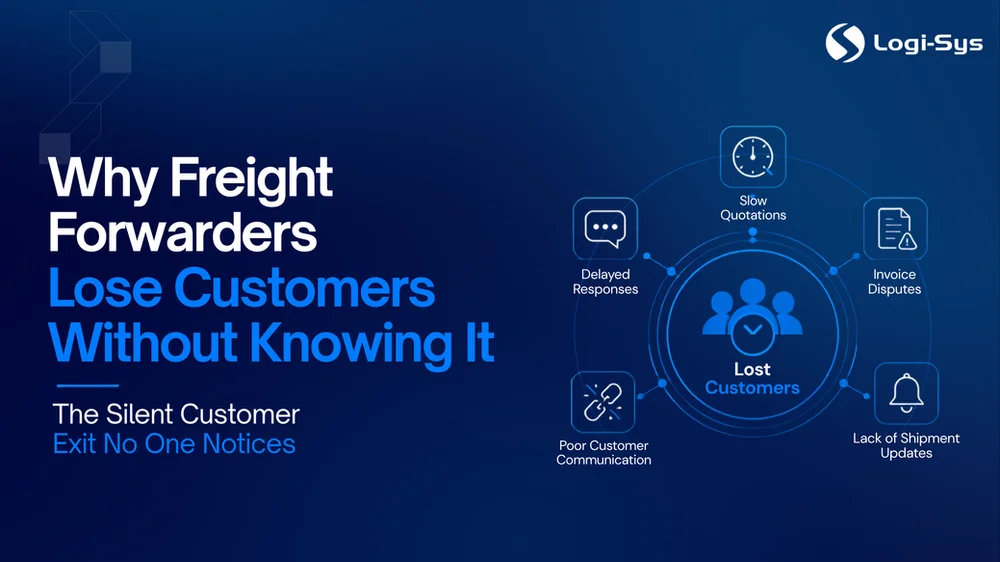
Slow quotations, delayed updates and disputed invoices can erode shipper trust over time, even when freight rates remain competitive.
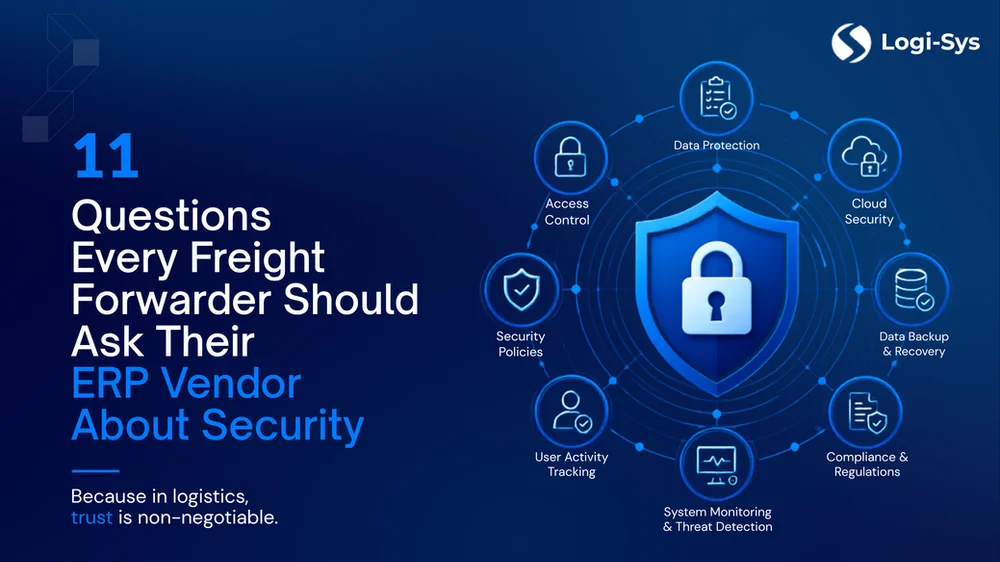
Assess encryption, access controls, incident handling and recovery before trusting a freight ERP with shipment and customer data.
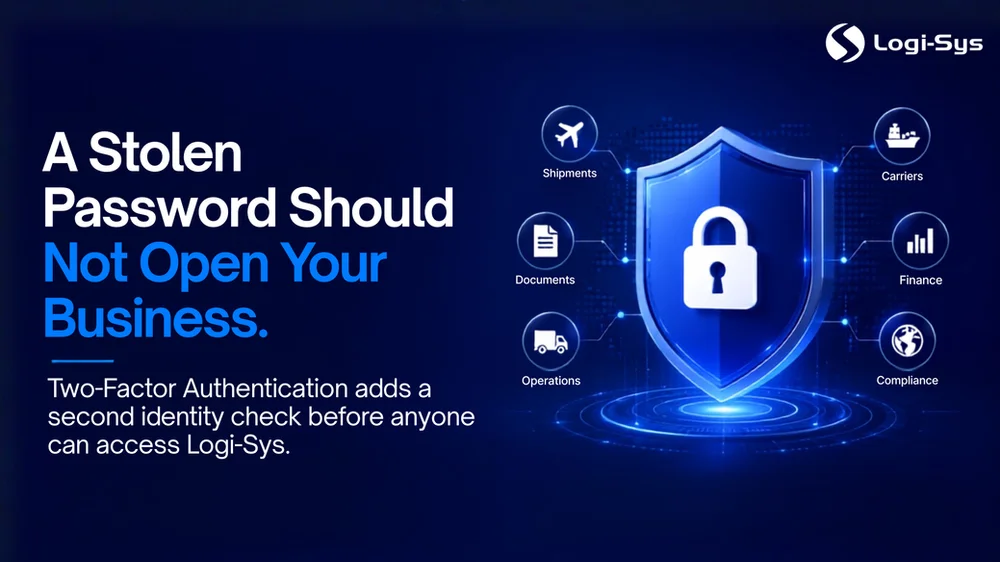
Freight ERP accounts can expose shipment, customer and financial data. Two-factor authentication adds an identity check when passwords are compromised.
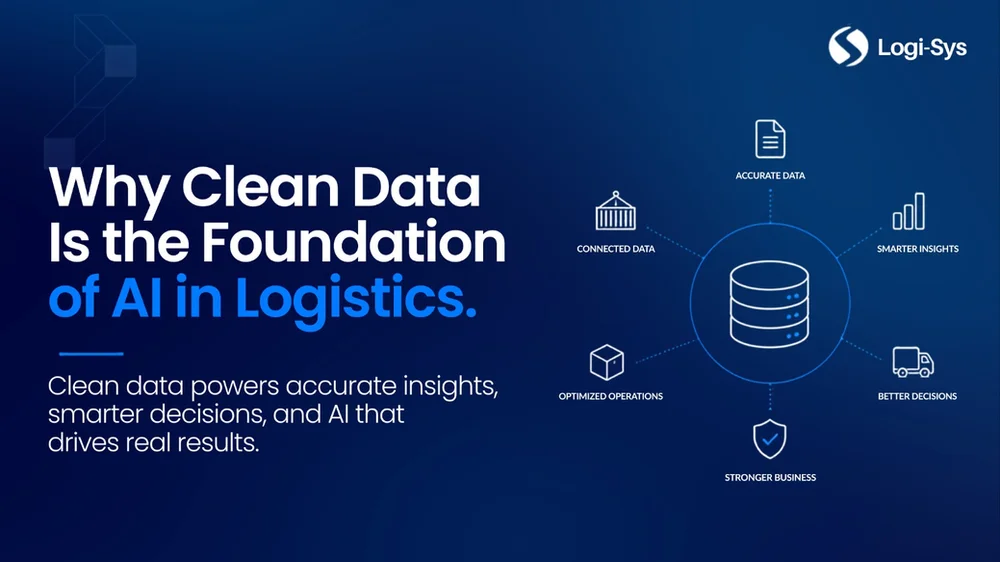
AI can improve forecasting and workflow automation, but disconnected, incomplete or duplicated shipment data can undermine its results.
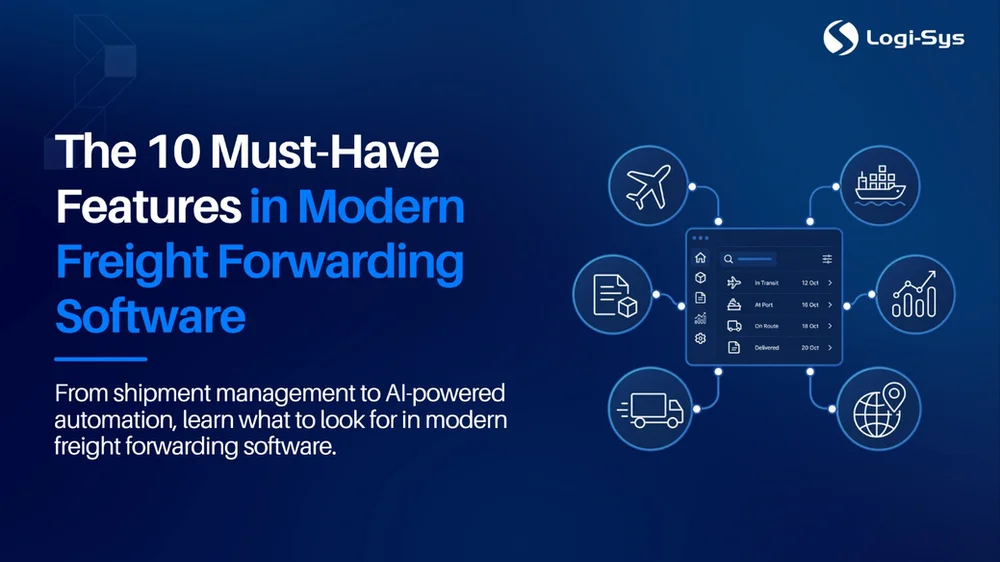
Shipment control, automation, visibility and connected finance are among the capabilities that can help forwarders reduce manual work.